The Last Cruise Ship Left Union Pier. The Park Data Behind What Comes Next Might Surprise You.
August 27, 2026
August 27, 2026
"One of the beautiful things about Charleston is we're not a resort," Mayor William Cogswell said as the Norwegian Jewel pulled away from Union Pier on June 30, according to Live 5 News. "We are a functioning city. We are a living city."
That sentence closed out a 14-year run of cruise ships calling the peninsula home. Carnival Cruise Line ended its year-round homeport arrangement at Union Pier back in January 2025, when the Carnival Sunshine returned from its final Bahamas run. What followed was 18 months of shorter port-of-call stops, and then, on the last Tuesday in June, the Norwegian Jewel docked for an eight-hour visit and sailed off for good. No large cruise ship is scheduled to call at Union Pier again. Remaining South Carolina cruise traffic, including a July 4 stop from Oceania Vista that got bumped to make room for a Waterfront Park celebration, now docks at Columbus Street Terminal, roughly a mile and a half upriver.
The planning team for the 65-acre site has spent roughly two years researching what comes next.
Reporting by the Charleston City Paper describes cellphone visitation data showing that Waterfront Park, known for the Pineapple Fountain, draws visitors from across the region and beyond. Planners working under Ben Navarro's Beemok used cellphone visitation data to trace where park visitors actually come from, and the numbers were stark. About 2 percent of Waterfront Park's visitors live within a mile of it. Another 20 percent come from elsewhere in greater Charleston, out to roughly 10 miles. The remaining 78 percent are visitors from out of town.
Compare that to Theodora Park, the small, embedded green space near the Gaillard Center. There, the ratio flips: about two-thirds of visitors are neighborhood or greater-Charleston residents, and only a third are long-distance travelers.
In the same city, the two parks show different visitor patterns: Theodora Park has a higher share of local visitors, while Waterfront Park has a higher share of visitors from out of town.
That distinction raises a question about Union Pier's layout: are its public spaces being planned for residents as well as visitors?
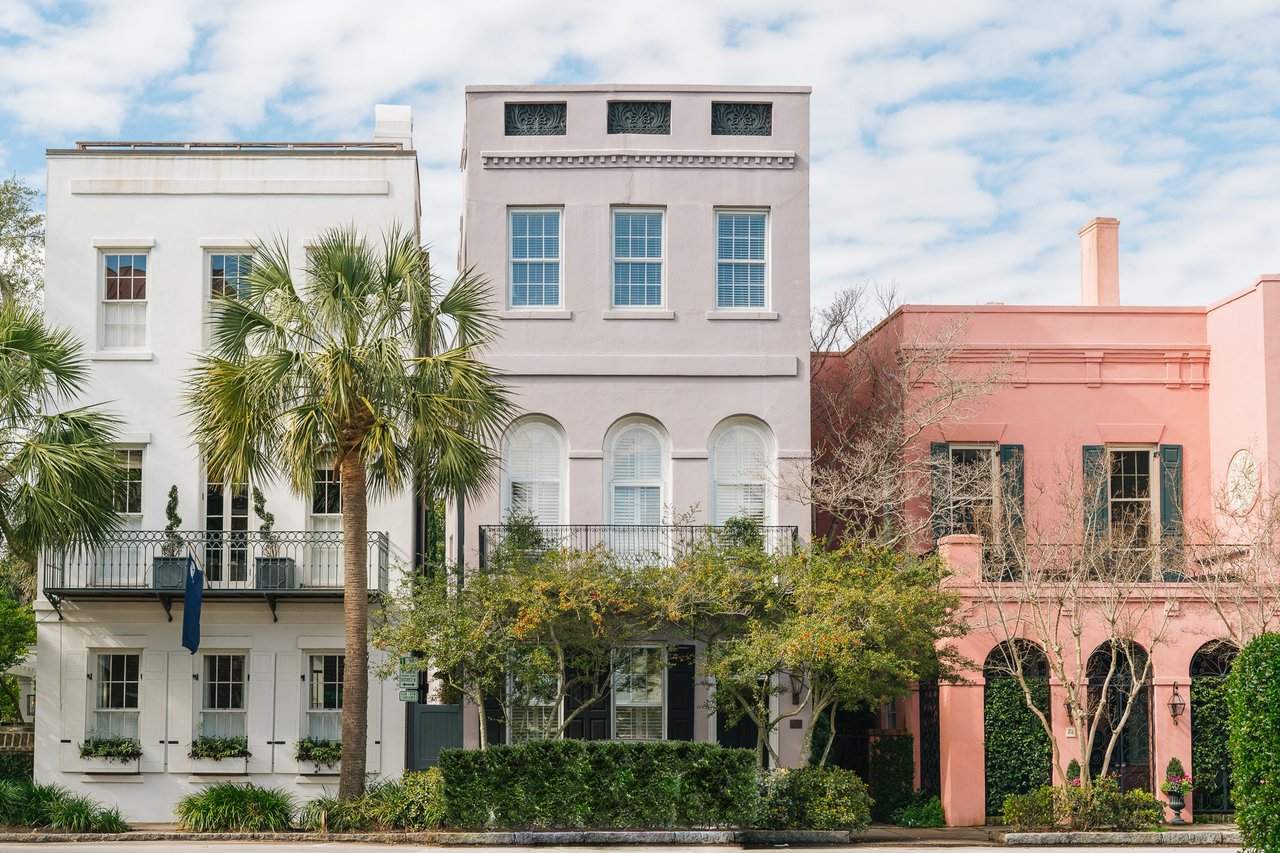
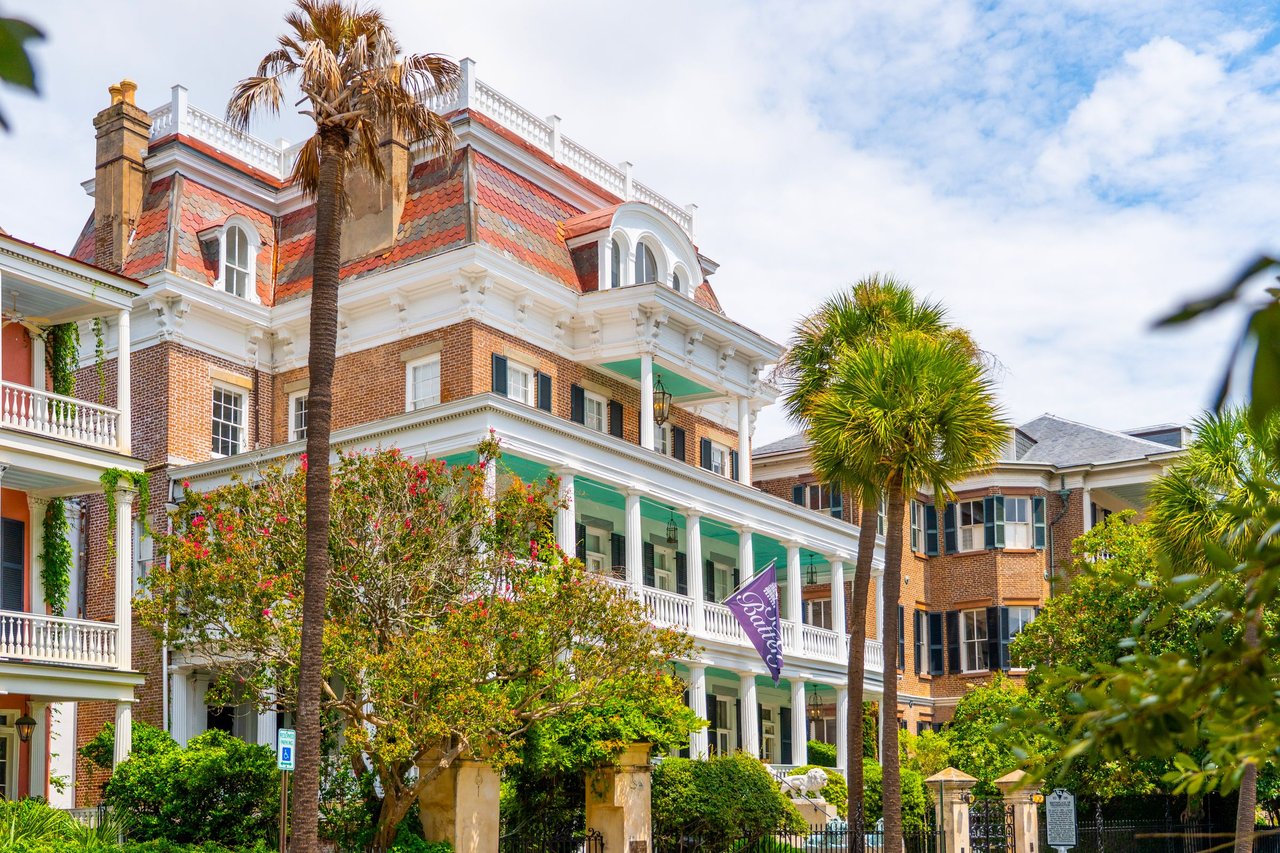
Sottile and Harper have run what neighborhood leaders have taken to calling "Union Pier University," a set of five research tracks covering transportation, history, stormwater and resilience, public space, and what the team refers to as the DNA of Charleston. There's no master plan in the traditional sense. Instead of a fixed blueprint, the approach is described as intentionally incremental, building by building, the way the old city itself grew before anyone was zoning it from a boardroom.
The transportation research alone gets specific in a way that matters for anyone who's tried to find parking near Meeting Street on a Saturday. Ansonborough and the French Quarter carry 300 to 400 intersections per square mile, a grid density the planning team compared against Amsterdam's 244. That's not a trivia point. It's the working theory for why the old city still feels walkable at rush hour while newer, wider-block developments don't: more intersections means more route choices, which spreads traffic instead of funneling it onto one or two overloaded streets.
Winslow Hastie, CEO of the Historic Charleston Foundation, noted this spring that he'd been sitting in on these sessions for about a year already, and put it plainly: no private developer typically does this level of homework before breaking ground. Brian Turner, president of the Preservation Society of Charleston, called it a model process worth repeating anywhere else in the city facing similar redevelopment pressure. Angela Drake, president of the Historic Ansonborough Neighborhood Association, has attended multiple workshops and described a genuine partnership between the city, Beemok, and the neighborhoods most likely to feel the impact of 65 acres changing hands.
None of that guarantees the outcome. The visitor data offers one point of comparison for Union Pier's public spaces: how can the design serve residents as well as visitors?
The financial mechanics behind this are already locked in. Charleston City Council, Charleston County, and the Charleston County School District approved a 30-year tax increment financing district for Union Pier, projected to generate more than $626 million in future tax revenue over that span. That funding is earmarked for a park, expanded public waterfront access, and infrastructure the site has never had, since Union Pier was Ports Authority land and exempt from property taxes for decades. In late March 2025, City Council adopted an Urban Waterfront Future Land Use District ordinance meant to keep future construction scaled to the historic blocks around it rather than to generic mixed-use standards, and weeks later, in April 2025, formally adopted the Union Pier component of the Comprehensive Plan itself.
One piece of the old site is staying. Last October, the Historic Charleston Foundation and the State Ports Authority marked the completion of a $1.6 million stabilization of the Bennett Rice Mill, a mid-19th-century masonry wall that's now one of the only physical links between Union Pier's industrial past and whatever gets built around it.
As reported by the Post and Courier, Daniel Guttentag, who directs the College of Charleston's Office of Tourism Analysis, has been consistent on one point: port-of-call cruise passengers were never a major economic driver downtown. They eat and sleep on the ship, buy a souvenir or a meal in the Market if anything, and move on within hours. What they did generate, according to residents who've complained for years about the traffic and noise around docking days, was strain on downtown streets and public safety resources without a matching payoff for local businesses. Post and Courier columnist Brian Hicks summed up the mood on the peninsula bluntly: the departure is a relief, not a loss, for people who live here.
The city's tourism management plan, which Cogswell noted hadn't been touched in over a decade, is rolling out its public input process over the months following the Jewel's departure. If you live downtown and want a say in how the next phase of visitor management gets structured, that's the window to watch for.
Nothing about Union Pier changes overnight. The old terminal buildings, fencing, and industrial docks are coming down, but the redevelopment is explicitly not on a fixed clock. Building by building, block by block, informed by data most residents never knew existed about their own parks, this stretch of waterfront between Laurens Street and Waterfront Park is being planned less like a real estate project and more like a long argument about who the peninsula's public spaces are actually for.
The early evidence, from the intersection density studies to the visitor-origin data to the neighborhood association meetings that keep getting described as genuine rather than performative, gives residents context for following how Union Pier's public spaces take shape. Whether those spaces serve residents as well as visitors is the question worth following over the next few years.
If you're weighing what any of this means for property near the peninsula's changing edges, or you're simply trying to keep track of how downtown's waterfront identity is shifting, Handsome Properties keeps close tabs on Charleston's built environment as it evolves. Reach out for a Get a Free Home Valuation conversation whenever the timing feels right for you.

Transforms property buying and selling into a thoughtful, curated, and highly personalized experience, expertly tailored to Charleston’s luxury, historic, and exclusive real estate markets.