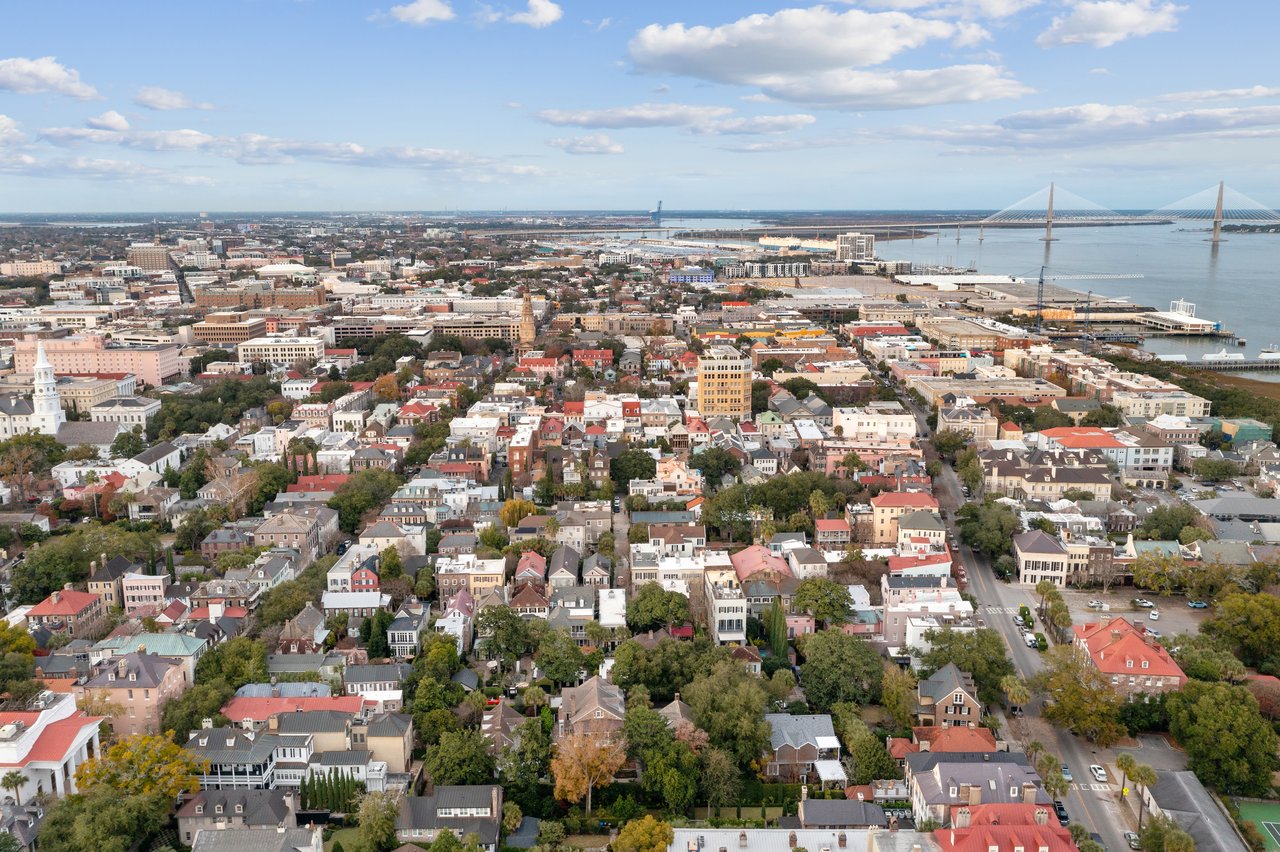
Charleston is embracing a greener future by incorporating sustainable living with coastal charm in communities like
Carnes Crossroads. Sustainable living meets Lowcountry charm. All throughout the Low Country, there is a shift to create more energy-efficient homes and preserve green spaces. The city is making it easier to live responsibly without sacrificing comfort.
The Rise of Sustainable Living in Charleston
The Green Building Movement in the Lowcountry
Local builders, like
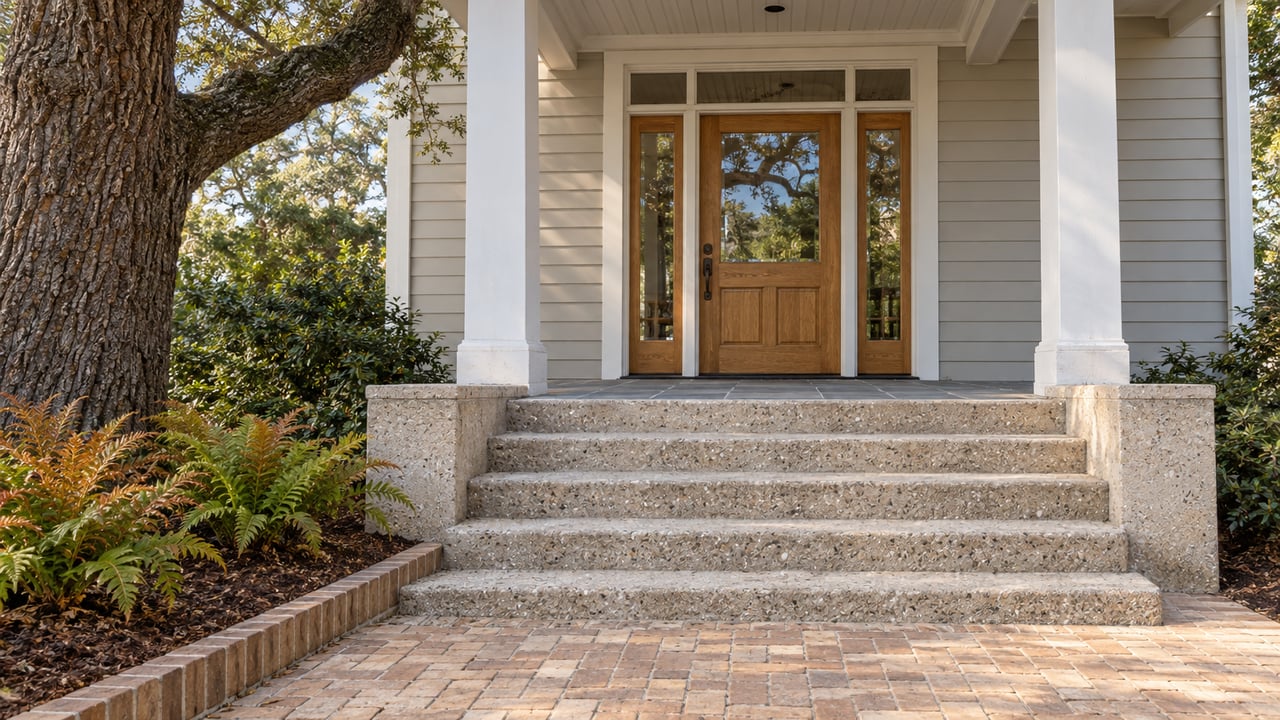
Hunter Baker Homes, are leading the shift to sustainable housing by integrating energy-efficient materials, passive design principles, and eco-conscious construction methods—blending Southern tradition with modern sustainability.
Increasingly, entire communities are adopting green practices. One notable example is
Morrison Yards, located on the Charleston peninsula, which integrated rain gardens, pervious pavers, and preserved natural surroundings during its construction. As sustainable development becomes the standard, more projects are expected to follow this lead.
What Makes a Home Sustainable?
As sustainable housing gains momentum, many builders are now aiming for certifications like LEED and EarthCraft to validate their eco-friendly practices. These certifications enforce rigorous standards that ensure new homes meet key criteria for
environmental performance, energy efficiency, and indoor air quality. These elements reduce costs and help protect Charleston’s natural resources.
Innovative Eco-Communities in Charleston
Carnes Crossroads: Master-Planned Sustainability
This charming community in Goose Creek exemplifies sustainable living through its walkable design, abundance of green spaces, and eco-friendly infrastructure. The community includes bike trails and community gardens. Carnes Crossroads blends everyday lifestyle with lasting green values.
Enston Home Urban Farm: Green Heart Project in Action
Once a vacant lot at the intersection of King and Huger Street, the
Enston Home Urban Farm: Green Heart Project in Action now thrives as an educational space for farm-to-school programs and community food access. Operated by the Green Heart Project, it promotes environmental stewardship while empowering local families with hands-on sustainability education.
The Economic and Environmental Impact
Cost Savings for Homeowners
Energy-efficient appliances, solar-ready systems, and smart technologies significantly reduce monthly utility costs. Over time, sustainable upgrades offer a strong return on investment, making green living both affordable and practical.
Protecting the Lowcountry Landscape
Eco-conscious developments play a vital role in preserving Charleston’s unique ecosystems from coastal marshes to inland wetlands. As the region grows, Charleston continues to lead by integrating conservation efforts into urban planning, protecting its natural beauty for future generations.
Charleston’s commitment to sustainable housing is a great example for others to follow. From eco-friendly homes to green public spaces, the Lowcountry is proving that thoughtful development can preserve both lifestyle and landscape.