Charleston Historic Home Styles in 29401 Explained
June 18, 2026
June 18, 2026
If you have ever walked Charleston’s historic streets and wondered why one home feels breezy and private while another feels formal and grand, you are already noticing the clues that make downtown architecture so fascinating. In 29401, historic homes are not defined by age alone. Their shape, roofline, porches, and street presence can tell you a great deal about how they were designed to live. This guide will help you quickly recognize Charleston’s signature historic home styles and understand what those styles may mean for you as a buyer or seller. Let’s dive in.
In downtown Charleston, the streetscape is layered across multiple historic eras, including Colonial, Federal, Antebellum, Postbellum, Victorian, Renaissance, and Modern periods. That means a home’s style clues often matter just as much as its construction date when you are trying to understand what you are seeing from the sidewalk.
Style also matters because ownership in the historic district comes with a preservation context. The City of Charleston’s Board of Architectural Review, created in 1931 through the nation’s first preservation ordinance, reviews new construction and visible exterior alterations within historic districts. For buyers and sellers, that means a street-facing facade is more than curb appeal. It is part of the property’s long-term stewardship.
The fastest way to read a historic Charleston house is to look at a few visual cues in order:
In Charleston, the street view often gives you a reliable preview of how a house may feel inside. It can hint at privacy, airflow, room layout, and even the level of preservation attention a home may require.
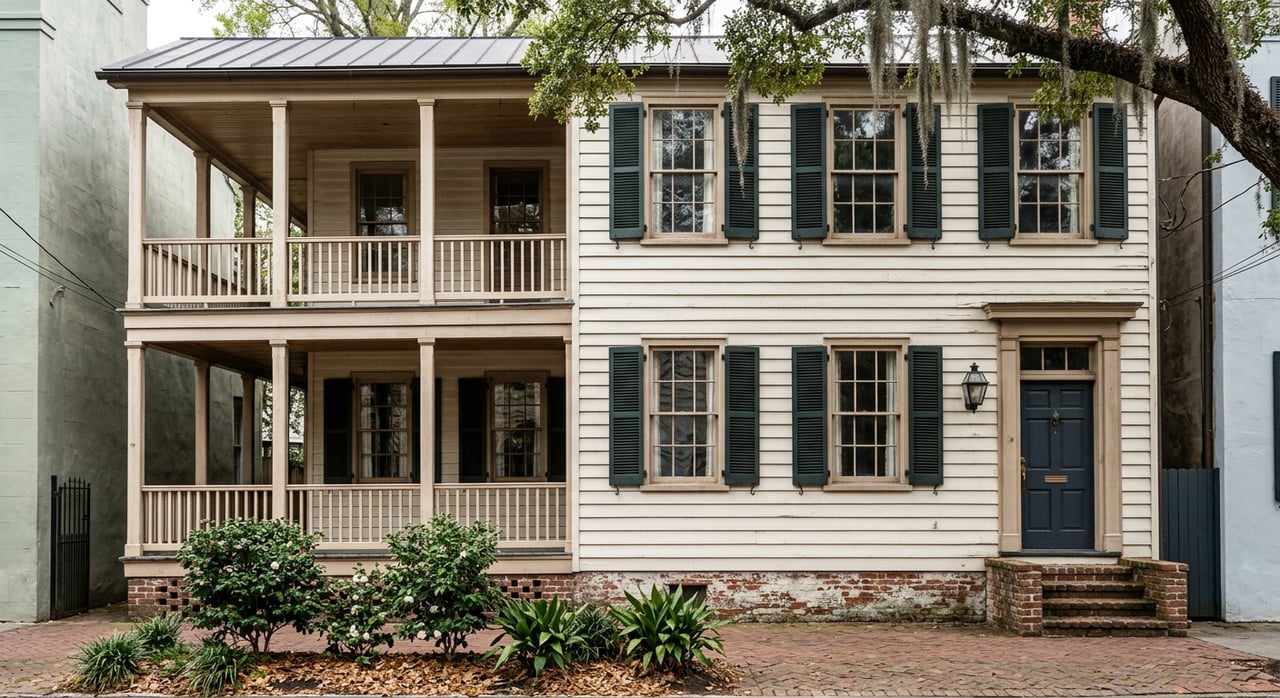
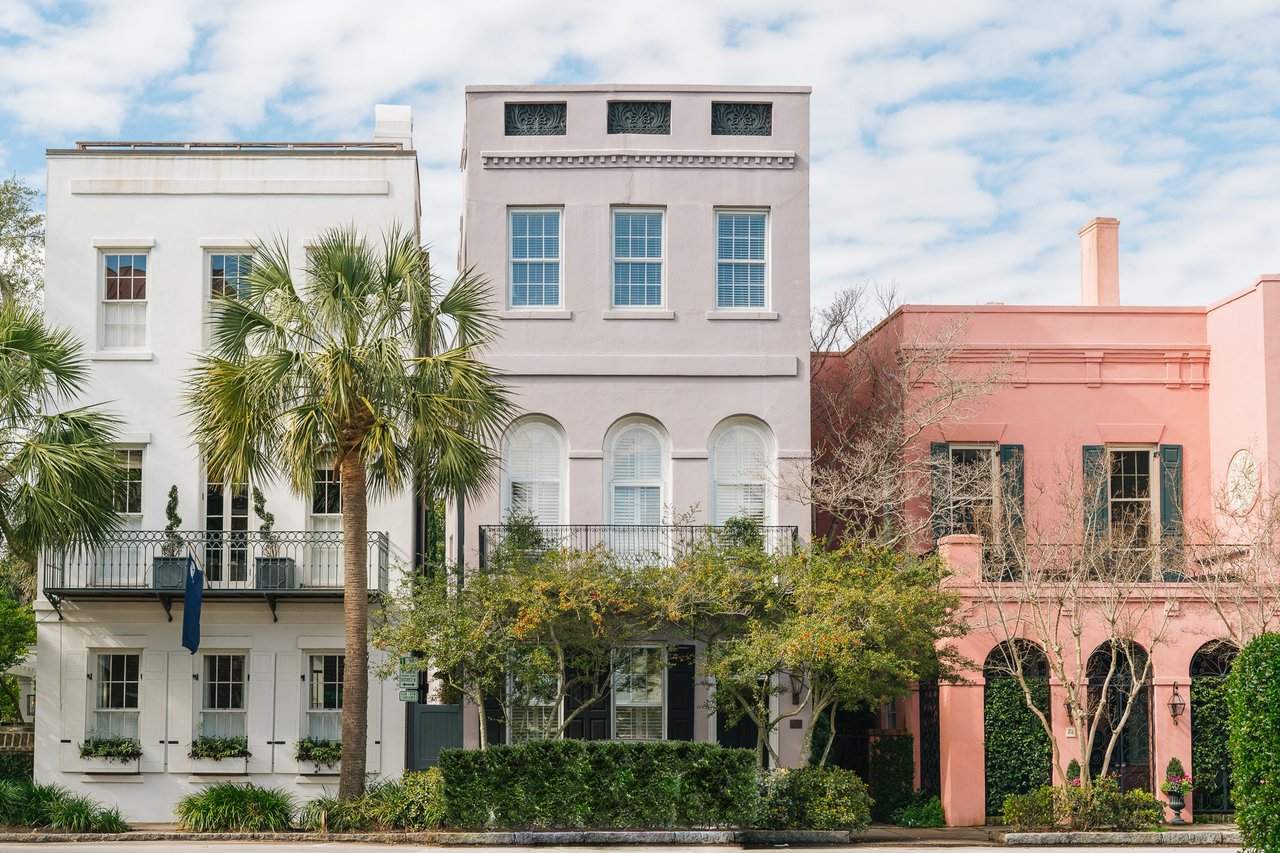
The Charleston single house is the city’s most distinctive vernacular form. You will usually see a narrow end facing the street, with the longer side of the house running back along the lot. Piazzas are typically placed along that long side, and the plan often includes two rooms per floor with a central stair hall.
This form became especially favored after the fire of 1740 and is closely tied to Charleston’s narrow urban lots. It also reflects the city’s climate, with side piazzas helping reduce solar load and channel breezes.
From the street, a single house can appear reserved. Inside and along the side piazza, it often feels more open, airy, and connected to the rear of the property. That layout tends to create privacy from the street while making the side and rear spaces more important to daily use.
Because the house is typically arranged vertically, circulation can feel more stair-oriented than in a broad-front home. Rooms may also feel narrower than in a double house, which is part of the tradeoff for this elegant, climate-responsive design.
If the Charleston single house turns sideways to the street, the Georgian or Charleston double house does the opposite. These homes usually present a broad, symmetrical facade facing the street, often organized around a central stair hall. You may also notice classical details such as columns, sidelights, transoms, dentil molding, or a raised basement.
This is one of Charleston’s locally common higher-style house forms. The balanced facade and strong central entry create a more formal first impression than a single house.
A double house often reads as reception-oriented and orderly. The symmetry and central axis usually suggest clear room hierarchy and a more formal flow from space to space.
For buyers, this can translate into rooms that feel composed and intentional from the moment you enter. For sellers, these homes often benefit from presentation that highlights proportion, balance, and the rhythm of the facade.
Federal houses tend to keep the balance and symmetry of earlier Georgian design, but with a lighter and more refined look. They are often square or rectangular, may have a hipped roof, and frequently feature elegant entrances with fanlights and sidelights.
In Charleston, the style is represented by important houses such as the Nathaniel Russell House and the Joseph Manigault House. These homes are known for carefully composed geometry and refined interior detailing.
Federal homes often feel elegant without seeming heavy. Compared with Georgian houses, the style can feel a bit more intimate while still maintaining a clear sense of order and craftsmanship.
If you step inside a Federal house, the stair hall or central circulation space may be one of the defining features. The design often creates a sense of sequence, where each room feels intentionally placed rather than expansive for its own sake.
Greek Revival homes are among the easiest historic styles to identify once you know the cues. Look for a boxy, rectangular form, a pedimented roof or entry, and columns or pilasters that give the house a temple-like appearance.
Even smaller Greek Revival houses often keep that strong classical emphasis. In Charleston, a well-known example is the Pitt Street Greek Revival single house, noted for its intact original interior features.
Greek Revival architecture usually signals a more monumental arrival experience. The entry often feels important, and the style commonly pairs that formal presence with high ceilings and large openings.
Those features also make sense in Charleston’s climate. High ceilings allow hot air to rise, while large windows and doors can help support cross-breezes. In practical terms, the style often blends visual drama with everyday livability.
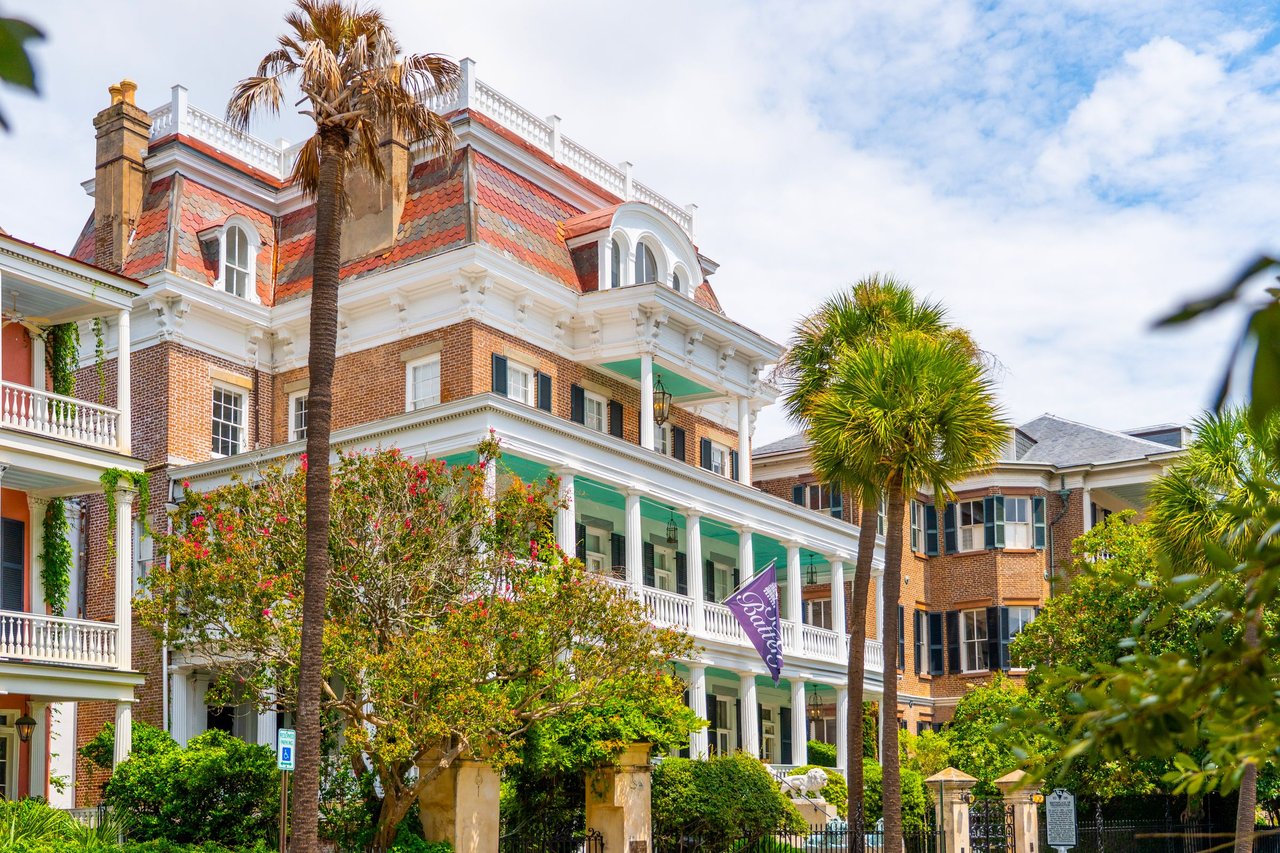
Charleston’s Victorian-era houses, particularly Italianate and Queen Anne forms, tend to be more expressive than earlier styles. Instead of rigid symmetry, you may see asymmetrical massing, more complex rooflines, mixed materials, and a greater sense of visual movement.
Queen Anne houses often include wraparound porches, turrets, stained glass, and spindlework. Italianate houses often emphasize verticality, overhanging eaves, decorative brackets, and tall narrow windows. In some cases, older Charleston homes were later reworked with Victorian features, which adds another layer to the peninsula’s streetscape.
Victorian homes can feel less boxy and more eclectic than earlier forms. Their rooflines and exterior details create a livelier presence from the street, and the interior flow may feel more fluid as a result.
For buyers, these houses often appeal to those who enjoy visual character and less rigid formality. For sellers, architectural details like brackets, turrets, porch elements, and decorative windows may play an important role in how the home is perceived.
If you want a simple way to identify homes while walking downtown, use this guide:
Once you know these cues, Charleston’s historic streets become much easier to read. You start to notice not only what a house looks like, but also why it was shaped that way.
In 29401, style is not just aesthetic. It often signals lot shape, privacy, room proportions, vertical circulation, and how a home responds to Charleston’s heat and humidity.
It can also hint at preservation considerations. Because visible exterior changes in historic districts may be reviewed by the Board of Architectural Review, details like windows, porches, additions, and other street-facing elements can involve a review process. That makes it especially important to understand the house as both a residence and a historic asset.
Original materials and features also matter. Preservation sources in Charleston repeatedly point to plasterwork, floors, mantels, hardware, staircases, and outbuildings as defining parts of a historic property’s character. When you buy one of these homes, you are often taking on both a beautiful place to live and an ongoing stewardship role.
If you are preparing to sell a historic home in downtown Charleston, architectural identity should shape your marketing strategy. Buyers in this segment often respond strongly to authenticity, proportion, preserved details, and the way a home fits into Charleston’s broader architectural story.
That means the style should be clearly presented from the start. A Charleston single house should emphasize its piazzas and lot orientation. A Federal or Georgian home should highlight symmetry, entry details, and formal composition. A Victorian home should showcase roofline movement and decorative craftsmanship.
In many cases, the strongest presentation comes from connecting visible design features to how the home actually lives. Buyers are not only admiring a facade. They are trying to picture daily life inside it.
If you are considering buying or selling a historic home in downtown Charleston, working with an advisor who understands architecture, preservation context, and the nuances of peninsula housing stock can make the process far more informed. To explore Charleston’s historic residential market with a team that values stewardship and local expertise, connect with Handsome Properties.
Handsome Homes
Transforms property buying and selling into a thoughtful, curated, and highly personalized experience, expertly tailored to Charleston’s luxury, historic, and exclusive real estate markets.