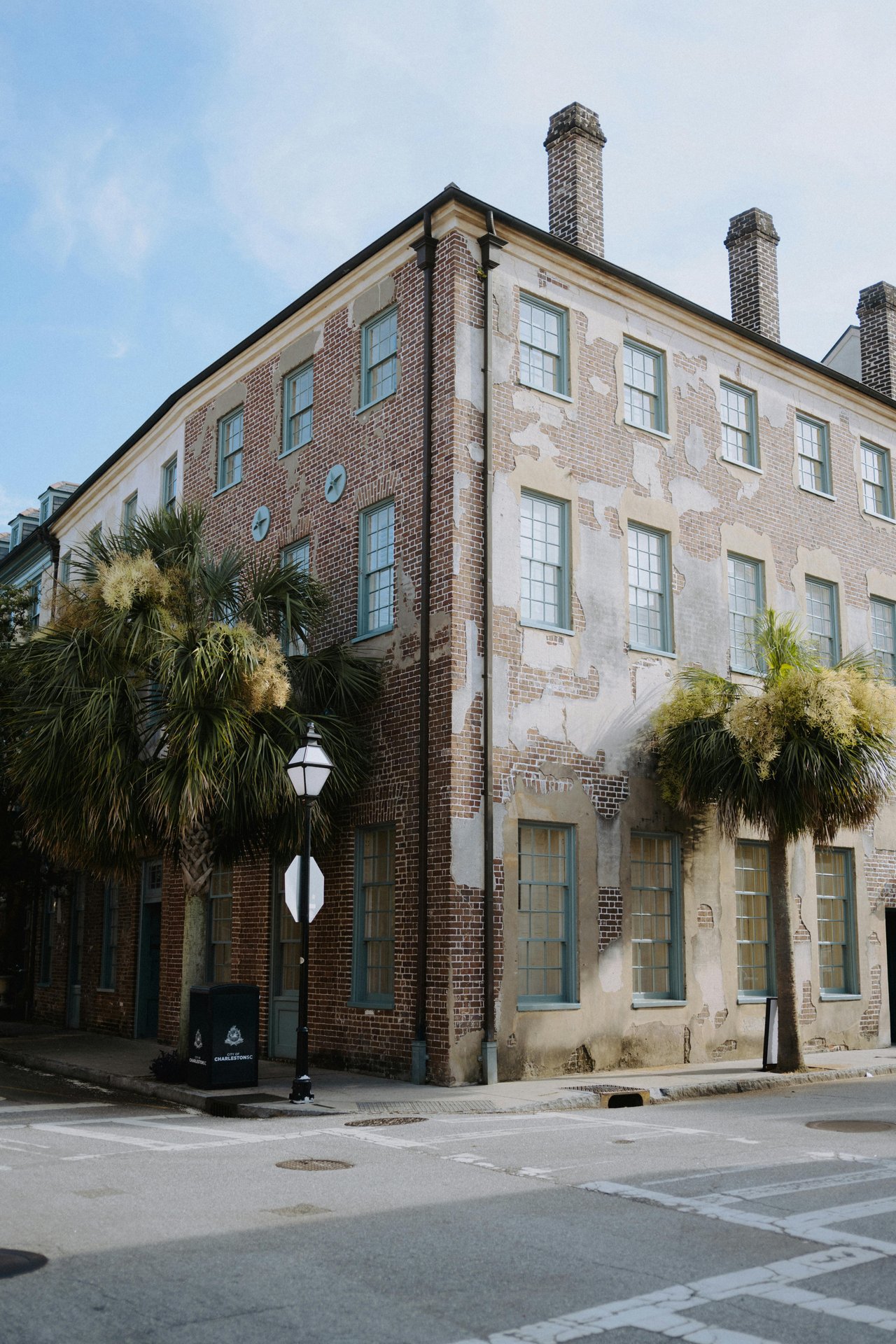
Charleston Music Hall: From 1850 - Present Day
August 6, 2026
August 6, 2026
Charleston is a city defined by deeply rooted history. Buildings like the Charleston Music Hall embody that spirit perfectly. Located at 37 John Street in the heart of the King Street district, this landmark has served as a railroad depot, a factory space, a storage warehouse, and one of the most iconic live performance venues in the Holy City. The building itself dates back to 1850 and is a story of innovation, resilience, and Charleston's commitment to preserving the architecture that makes the city so remarkable.
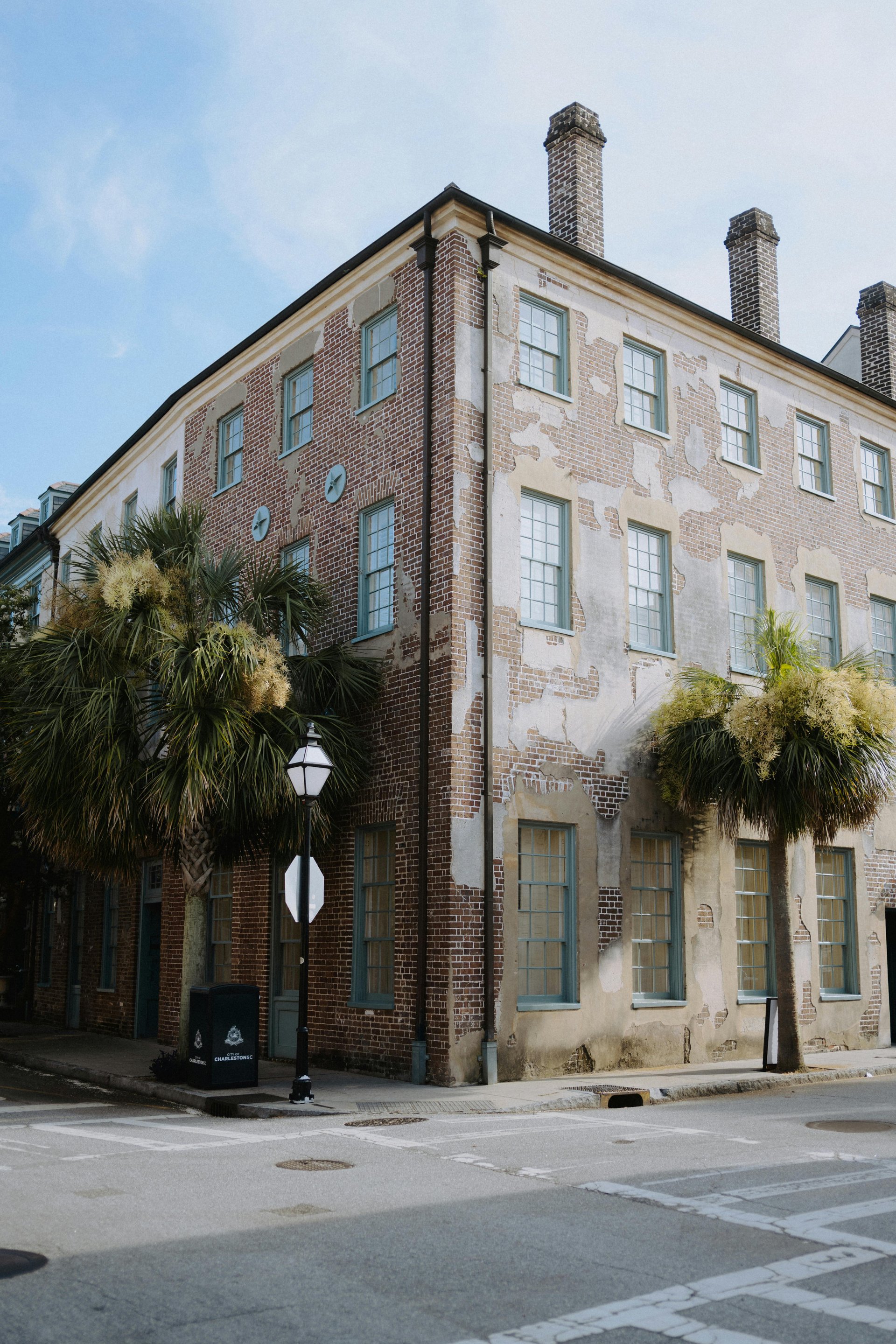
Unknown to some, the Charleston Music Hall was not originally built to be a live performance venue. The history of the building started with the South Carolina Railroad. In 1850, the building was built to be a passenger station for the South Carolina Railroad and was originally known as The Tower Depot. Edward C. Jones designed The Tower Depot in a Gothic Revival style, giving it the appearance of a medieval castle rather than a transit hub. The building originally featured a three-story tower and a main entrance, big enough for a locomotive. Despite its grand design, The Tower Depot had a short run as a passenger station. It closed in 1853 due to rising operating costs and its inefficiencies as a working depot.
Following the Civil War, the building found a new purpose after sitting idle for a few years. The Charleston Bagging Manufacturing Company purchased the building and converted it into functional factory space. The first floor became offices and shops, while the second floor was transformed into a spinning room and card room.
On August 31, 1886, Charleston was hit by one of the biggest earthquakes in American history. The Earthquake of 1886 caused widespread destruction across the city, and the Tower Depot was a part of this devastating loss. The building's three-story tower was destroyed, and much of the structure was severely damaged. From what could be salvaged, the building was used for basic storage for The Charleston Bagging Manufacturing Company. The company eventually closed its doors in the 1930’s, which led to the building becoming vacant for almost sixty years.
After nearly sixty years of vacancy, in the mid 1990s, the Bennett-Hofford Company bought out the building. The Bennett-Hofford Company was known for restoring and repurposing historic properties. The company renovated the building and preserved the remaining Gothic Revival architecture. They refurbished the architectural details while turning the interior into a fully modern live performance venue. The newly renovated venue was still rooted in Charleston's history while giving the 145-year-old building a new story. The Charleston Music Hall officially opened its doors in 1995 and has become a staple in modern-day Charleston.
Today, the Charleston Music Hall is regarded as an iconic live entertainment venue in the city and across the Lowcountry. The venue hosts a diverse calendar of over 200 events each year, ranging from concerts, comedy performances, and theatrical productions. The venue offers a seated capacity of 965 guests with the ability to create a standing area that can accommodate up to 1,200 guests. Located in the King Street district, the Charleston Music Hall is situated within steps of dining, shopping, nightlife, restaurants, and plenty of hotels.
The Charleston Music Hall is more than a concert venue; it's a story about Charleston's heritage and embracing new possibilities. The building itself has had multiple lives, ranging from a passenger station, factory space, sixty years of vacancy, and now a world-class performance venue. 37 John Street has truly demonstrated a remarkable ability for reinvention and has become a staple in Charleston’s music culture.





Handsome Homes
Transforms property buying and selling into a thoughtful, curated, and highly personalized experience, expertly tailored to Charleston’s luxury, historic, and exclusive real estate markets.