How Music Shapes Charleston’s Culture and Lifestyle
Handsome Properties March 9, 2026
Handsome Properties March 9, 2026
Charleston is a city known for its rich history, beautiful architecture, and coastal charm, but one of the city’s most defining features is its music scene. As a port city, Charleston has become a deeply cultured destination. Throughout history, the city has been influenced by a blend of African, European, and Native cultures.
Through these influences, the city now flourishes in all kinds of art, architecture, cuisine, and music. Today, Charleston’s venues, streets, and restaurants are all filled with multiple genres of music, adding an extra layer of southern charm to the city.
Additionally, Charleston’s music history has shaped where we call home by influencing the overall culture and lifestyle. But how did we get here? This blog will dive deeper into the historical side of the Holy City’s music scene and where we are today.
Music has been used for many reasons throughout history, including storytelling, celebration, emotional expression, and more. As one of the earliest settlements, Charleston has become an influential port city for the United States.
The ports have played a critical role in the exchange of culture and music. Through trade routes and migration, musical traditions from Africa, Europe, and Native communities came together in the Lowcountry, shaping the early sound and musical styles. These early influences have laid the foundation for musical traditions and genres that still define Charleston’s identity today.
Charleston's musical identity is a reflection of its deep multi-cultural history, with traditional genres at its foundation. Gullah Geechee music plays a major role in the city's identity, showcased by its importance in rhythm, gospel, and the oral tradition of storytelling passed down through generations.
The evolution of these rooted traditions brought together African rhythms with European compositions, which can be seen in early jazz and ragtime music within the city. Together, these genres are the backbone of Charleston’s music scene and continue to shape the sounds heard throughout the Holy City today.
European settlers brought musical traditions to Charleston that helped shape the city’s early sound. English, French, and other European influences introduced classical music, religious hymns, and traditional compositions that became prominent within the early settlements of Charleston. Sacred music played a huge role in early Charleston life, with singing schools teaching both musical and devotional education.
As Charleston grew into a large port city, European concerts and orchestral performances became more common, establishing the city’s connection to classical music traditions. These European influences blended with African and local traditions, establishing the diverse musical identity Charleston is known for today.
African culture played a foundational role in shaping Charleston’s musical identity. Through the Gullah Geechee community, descendants of enslaved Africans, who had strong ties to West African traditions of rhythms and storytelling.
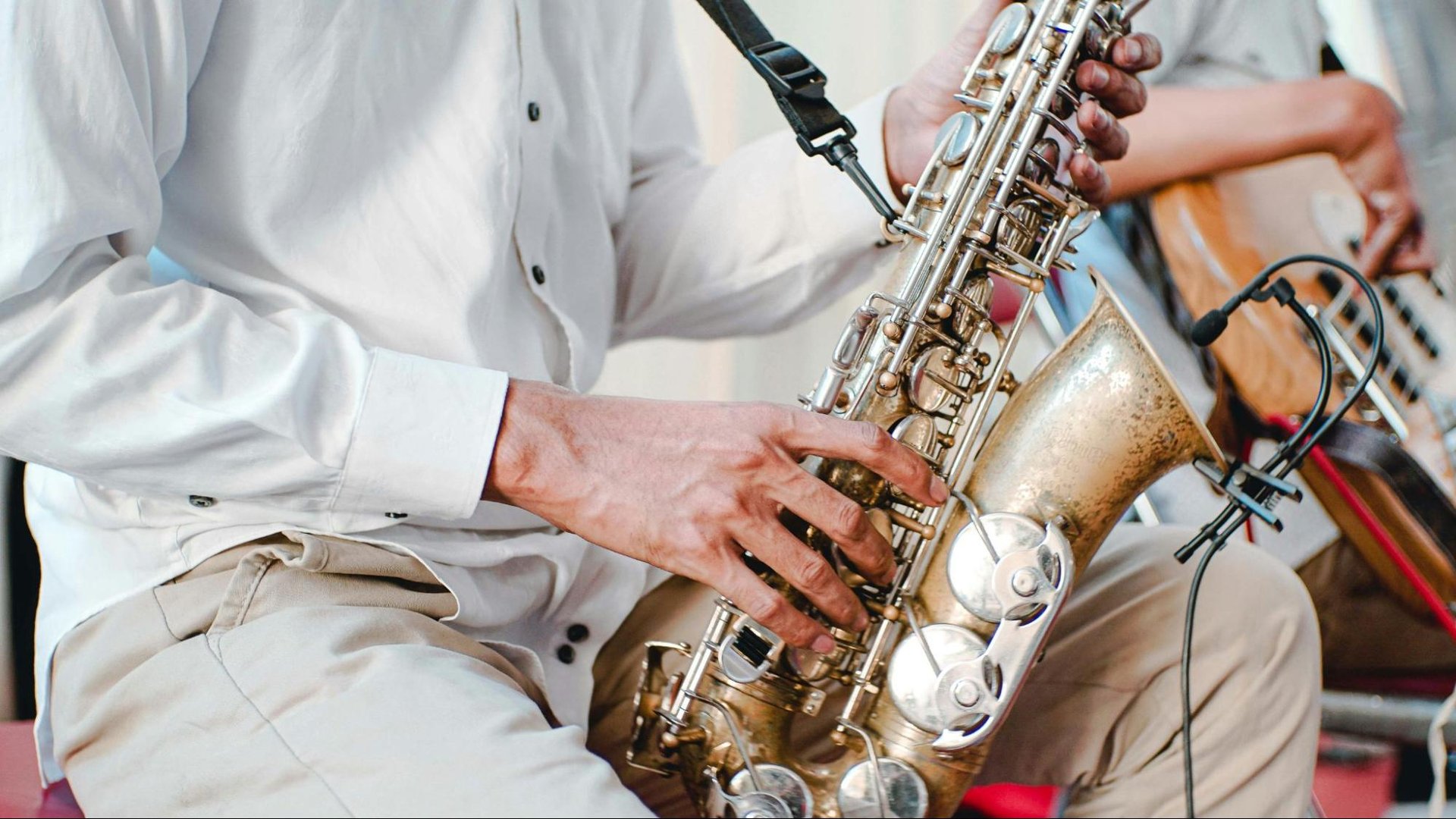
These became key elements of Charleston’s early sound. Geechee dances performed by dock workers influenced early American performances like “The Charleston”, which eventually swept the nation in the 1920s. In addition, African rhythms also contributed to Charleston’s development of jazz. This is where African musical rhythms blended with European instruments and harmonies.
Then influences from the African and Gullah culture brought music genres of spiritual, gospel, ragtime, and many more. Charleston’s music reflects the history of African cultural influence that continues to define the city’s unique and charming sound.
Iconic figures such as the Jenkins Orphanage Band, Darius Rucker, and Ranky Tanky highlight how Charleston’s music scene brings together history and modern culture. The Jenkins Orphanage Band played a major role in shaping early jazz and brass traditions, introducing Charleston music beyond the city.
Today, artists like Darius Rucker have brought national attention to Charleston while maintaining strong ties to the community by engaging in music festivals such as Riverfront Revival and performing in Charleston throughout the year.
Additionally, Ranky Tanky is a Grammy Award–winning band rooted in the Gullah Geechee culture of the South Carolina Lowcountry. This band blends traditional rhythms with modern influences. All of these artists showcase how Charleston’s musical identity has evolved while remaining deeply rooted in tradition.
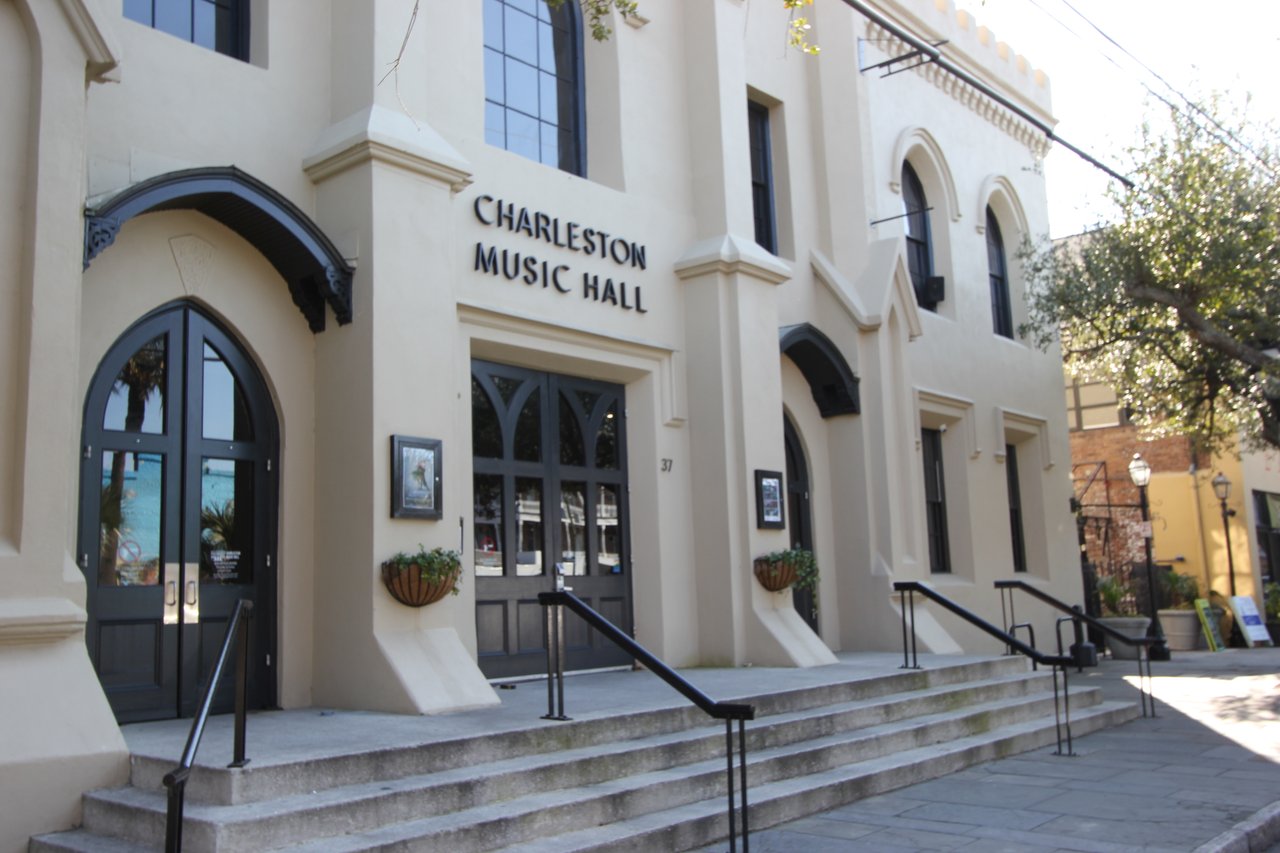
Charleston’s music scene today is a beautiful mix of salty beach vibes, rich historic halls, and a thriving local jam & jazz community. When visiting Charleston, the city includes a lineup of iconic music venues, each offering a diverse blend of the Charleston musical experience. A few notable venues would include The Charleston Music Hall, The Windjammer, and Credit One Stadium.
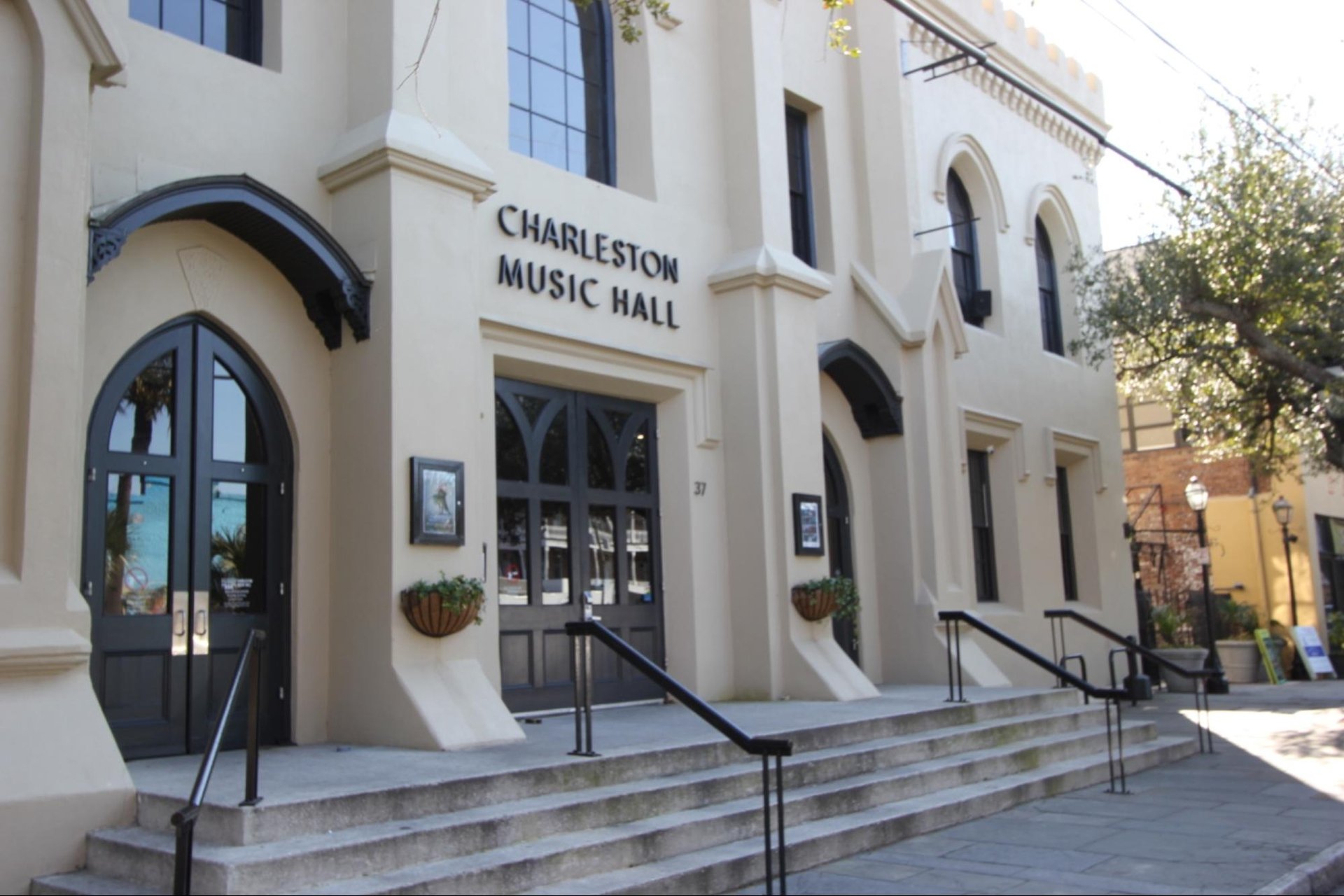
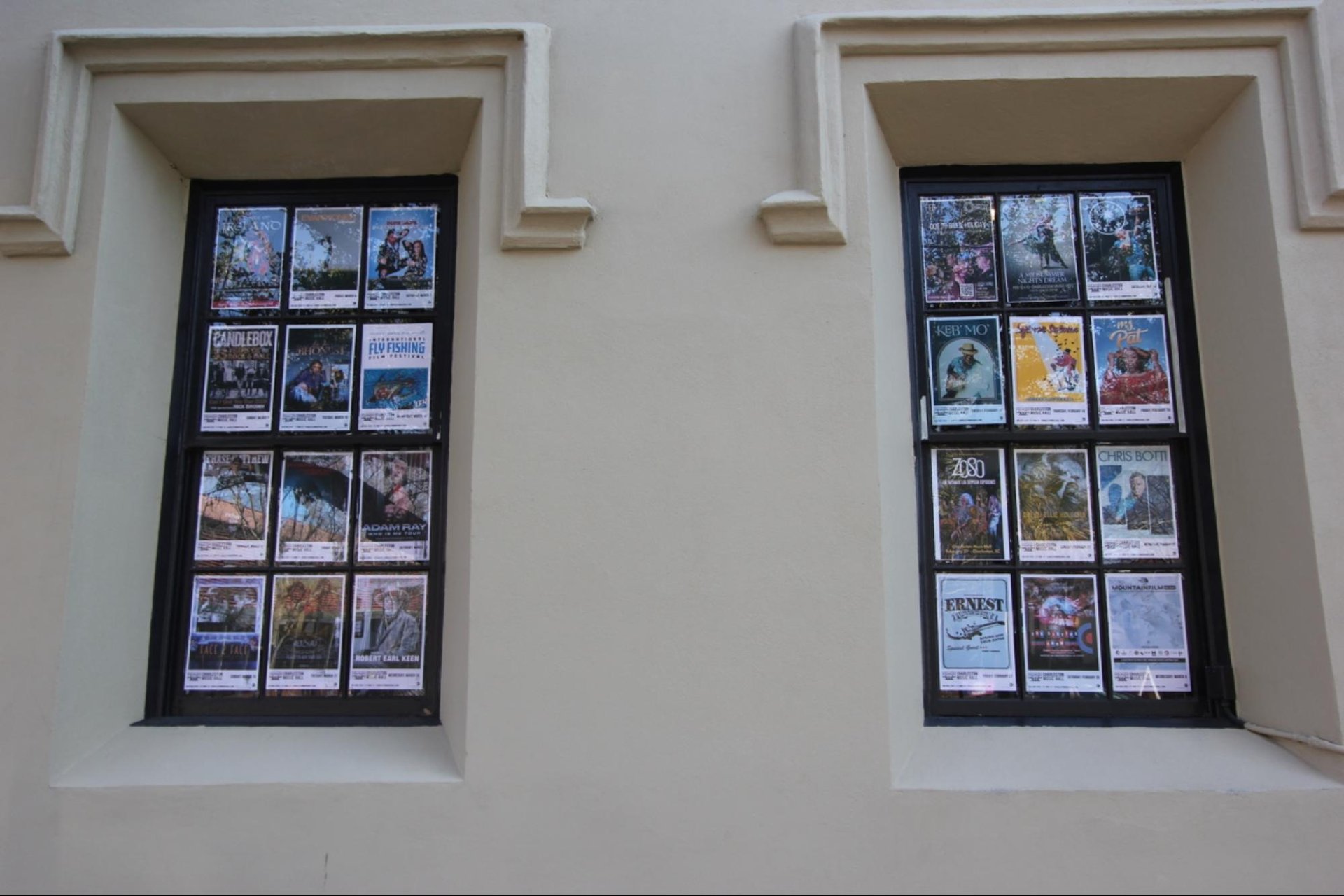
The Charleston Music Hall is located in a beautifully restored historical building, famous for hosting a diverse range of touring performances. Performance acts such as folk and jazz to classical ensembles and even stand up comedy performances, ensuring there is always something for everyone’s taste. This venue provides an intimate setting, making every performance a special experience. ensuring there is always something for every taste.
The Windjammer is known as a Charleston treasure, as it is a very unique music venue. It is perfectly placed on the sand of the Isle of Palms’ beach. Guests can enjoy the ocean breeze and views while listening to a diverse and curated lineup of musical acts. It’s the ultimate destination to enjoy both local and touring national bands. It offers a laid-back, beach vibe with a focus on rock, reggae, and beach music.
The modern Credit One Stadium, situated in Daniel Island, offers a state-of-the-art outdoor arena experience. The venue’s advanced facility allows it to bring in a remarkable roster of major international recording artists, spanning a diverse spectrum of musical genres such as rock, pop, country, electronic, and classical. The stadium's presence has significantly elevated the city's music scene.
Charleston’s music scene is a perfect reflection of the city’s history, culture, and lifestyle. Spanning from early European music to African rhythmic traditions. All the way to the evolution of jazz, gospel, and modern genres. Music has played a key role in shaping Charleston’s identity; these influences continue throughout the city today, from being heard in historic music halls, beachfront venues, restaurants, and festivals.
Charleston has a music culture that enhances daily life and strengthens the city’s overall charm. Ultimately, Charleston’s music scene is a defining part of what makes the Holy City one of the best destinations in the country.
Handsome Homes
Transforms property buying and selling into a thoughtful, curated, and highly personalized experience, expertly tailored to Charleston’s luxury, historic, and exclusive real estate markets.