The Gullah Geechee culture is an important part of Charleston’s history. It was shaped by African Americans in the Lowcountry. Their traditions still influence the area’s language, food, art, and community today.
Origins
The Gullah Geechee people were brought to the Lowcountry from the West African coast as well as other African regions during the transatlantic slave trade. As a result of the blending of many cultures, a distinct and vibrant new one emerged.
West African groups were often intentionally chosen for their expertise in rice cultivation—a skill that not only shaped the region’s economy but also influenced local food traditions that remain today. Moreover, the isolation of the island and coastal plantations shaped a unique culture among the enslaved. This preserved a strong blend of African traditions that are still evident in the Gullah Geechee people’s distinctive arts, crafts, cuisine, music, and language.
Language
The language developed as a means of communication among people from diverse linguistic backgrounds. Originally, it was a simplified form of speech used between enslaved Africans, slave owners, and traders. Over time, however, it evolved into a fully expressive and complex language. Known as Gullah, it is the only distinctly African Creole language in the United States and has left a lasting impact on traditional Southern vocabulary and speech patterns.
Arts, Music & Tradition
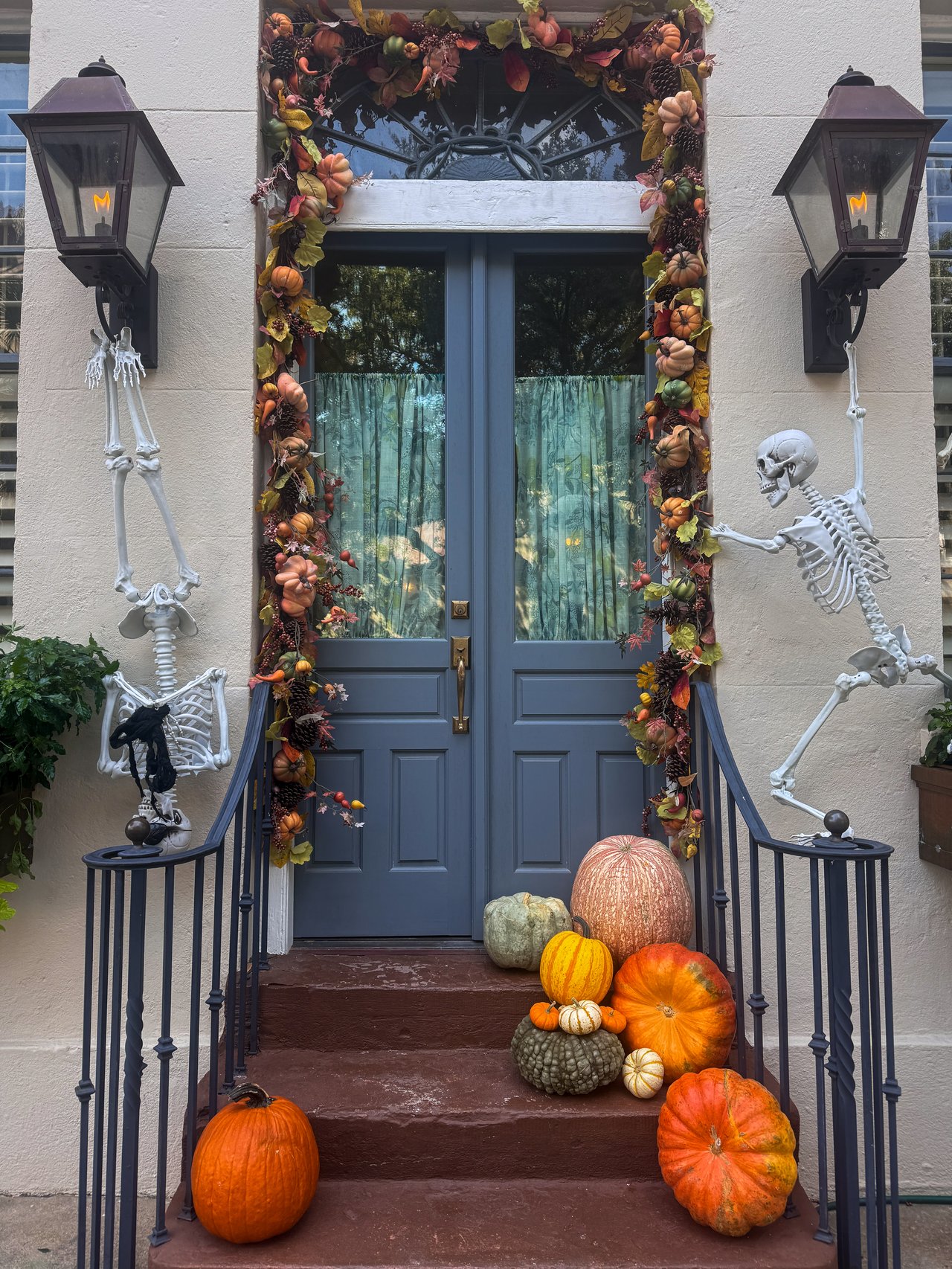
Over time, some Gullah traditions have faded. Yet many remain staples in Lowcountry culture and history. Across Charleston, traces of Gullah heritage appear in everyday customs and art. For example, many homes have doors and piazza ceilings painted a soft blue. This tradition comes from Gullah spiritual beliefs meant to ward off evil spirits.
Along highways and interstates, roadside stands sell sweetgrass baskets. This intricate craft has been passed down for generations. Today, it is a powerful symbol of Gullah artistry. The region also has master woodworkers. They hand-carve furniture and decorative pieces. Their work blends African techniques with Lowcountry style. These practices show how Gullah culture continues to shape and enrich the Lowcountry’s identity.
The Gullah culture is a lasting and meaningful part of what makes Charleston so unique. Even though some traditions have faded over time, many are still alive in the food, art, language, and everyday life of the Lowcountry. Indeed, from sweetgrass baskets to haint blue ceilings, the Gullah Geechee people have left a legacy that continues to shape the region’s identity and connect the past to the present. To learn more, visit the
International African American Museum, where the Gullah Geechee story is beautifully preserved and honored.