The History of Charleston's Traditional Music
May 14, 2026
May 14, 2026
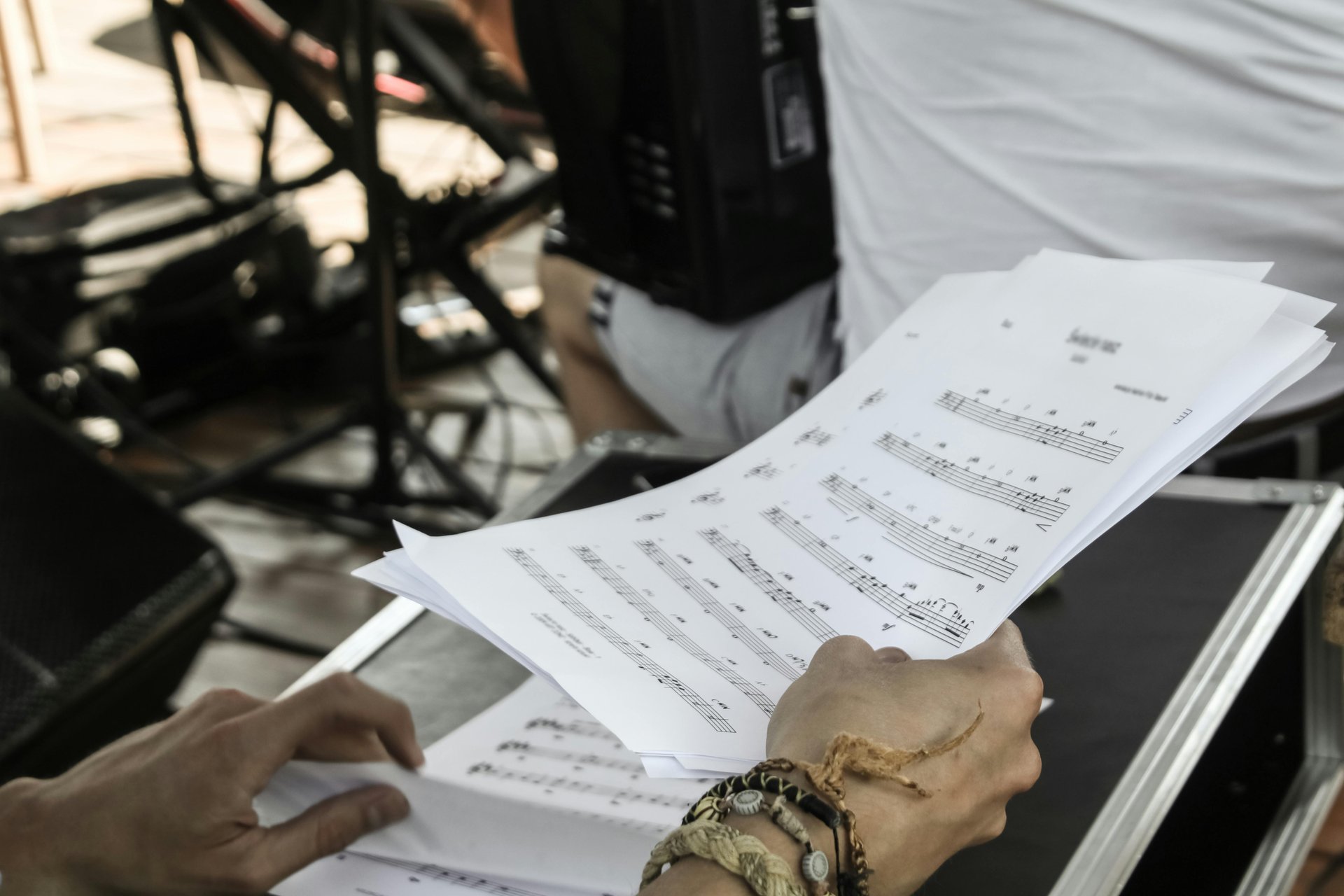
Charleston, South Carolina, is known for its historic architecture, coastal scenery, and vibrant culture. Equally significant is the city's rich musical heritage. Charleston's traditional music developed through centuries of cultural exchange, shaped by the city's role as one of the earliest and busiest port cities in the United States. Influenced by African musical traditions, European musical styles, and local customs, the city developed a unique musical identity. Two of the most important influences on Charleston's traditional music are the Gullah Geechee people and the European traditions brought by early settlers. Together, these influences helped shape the rhythms, instruments, and styles that have defined Charleston's music for generations.
Charleston became one of the most active ports in the United States during its early history, with ships regularly arriving from Europe, Africa, and the Caribbean. This constant movement of people, goods, and ideas made the city a major center of cultural exchange, where traditions from different parts of the world came together. European settlers introduced musical traditions that included church hymns, folk music, and formal musical practices, while African communities contributed rich rhythmic patterns and vocal techniques. The interaction of these traditions played a significant role in shaping the development of Charleston's unique musical identity. As Charleston's diverse population continued to grow and interact, its music evolved into a reflection of the city's rich cultural heritage and historical development.
African culture played a foundational role in shaping Charleston's musical identity through the influence of the Gullah Geechee community. Descendants of enslaved Africans, the Gullah Geechee people maintained strong connections to West African traditions, including storytelling, music, and rhythm. Their cultural heritage significantly influenced Charleston's musical and dance traditions, helping preserve practices that became an important part of the region's identity. Through songs, work chants, and community performances, these traditions were passed down from generation to generation. One of the most famous contributions associated with Charleston's cultural heritage is "The Charleston," a lively dance that became a nationwide sensation during the 1920s.
The influence of African and Gullah Geechee culture also contributed to the development of several American musical genres, including spirituals and gospel music, which served as powerful expressions of faith, resilience, and hope. Today, Charleston's rich musical heritage continues to reflect its deep African and Gullah Geechee roots. Their enduring legacy remains evident in the city's music, traditions, and vibrant cultural atmosphere.
Charleston also played a role in the early development of jazz in the United States. Like many early American musical styles, jazz grew from the blending of African rhythmic traditions with European instruments and musical structures. Charleston’s major ports allowed musicians to encounter a wide variety of musical influences. Sailors, traveling performers, and dock workers often brought new musical styles and sounds to the city. This cultural exchange helped shape the musical foundation that would later influence jazz.
Additionally, Charleston also played an important role in the early development of jazz through the influence of the Jenkins Orphanage Bands. The Jenkins Orphanage played an important role in Charleston's musical history by providing housing, education, and musical training for young boys. Students learned to play brass instruments and performed in bands that gained national recognition, touring throughout the United States. Their music reflected a blend of European musical traditions, African influences, and emerging blues styles, creating a sound that was innovative for its time. Through their performances, the orphanage bands helped introduce these musical influences to wider audiences and contributed to the development of American music. While New Orleans is often recognized as the birthplace of jazz, Charleston played a significant role in shaping the cultural and musical traditions that influenced the genre's early evolution.
Charleston’s musical identity was shaped through centuries of cultural exchange as African rhythms, European musical traditions, and local influences blended together. These historical foundations continue to influence the city’s cultural landscape today, where music remains an important part of Charleston’s identity.





Handsome Homes
Transforms property buying and selling into a thoughtful, curated, and highly personalized experience, expertly tailored to Charleston’s luxury, historic, and exclusive real estate markets.