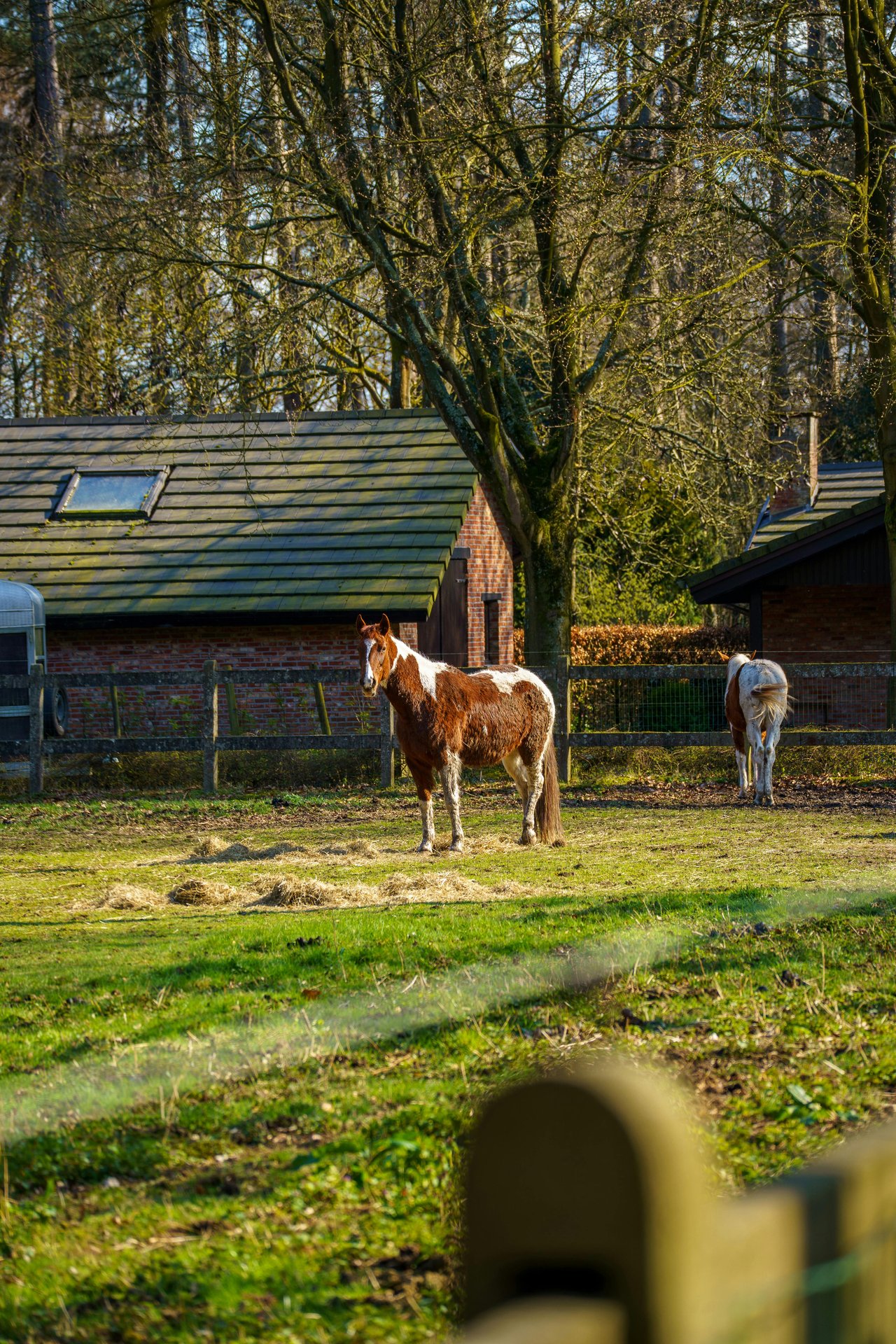
Country And Equestrian Living In Ravenel South Carolina
June 4, 2026
June 4, 2026
If you picture Lowcountry living as open land, room for horses, and a quieter pace that still keeps Charleston within reach, Ravenel deserves a close look. For many buyers, the appeal is not just the acreage. It is the balance of rural character, practical access, and the chance to buy with a long view in mind. This guide will walk you through what country and equestrian living in Ravenel really means, what to verify before you buy, and how to approach the search with confidence. Let’s dive in.
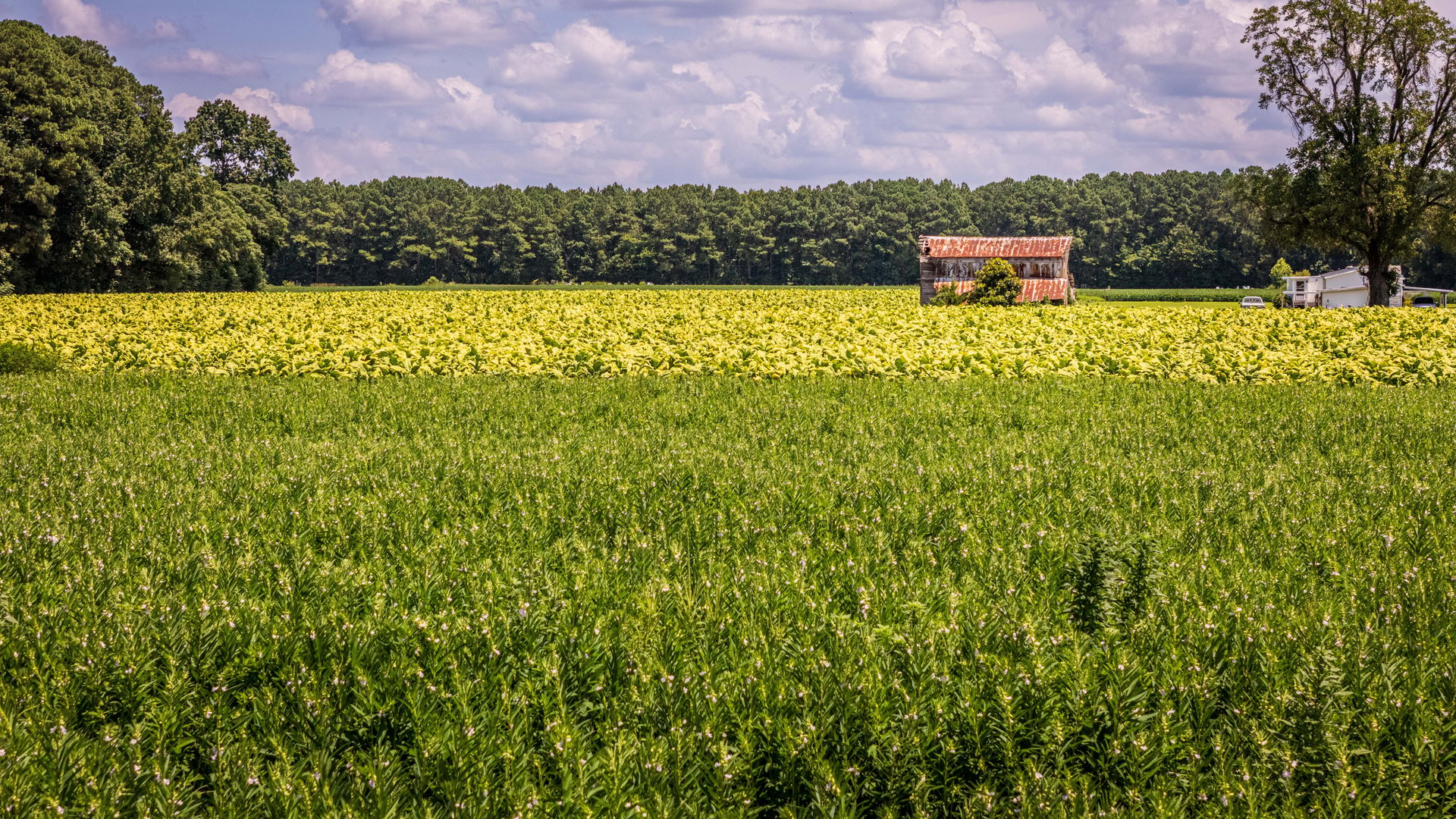
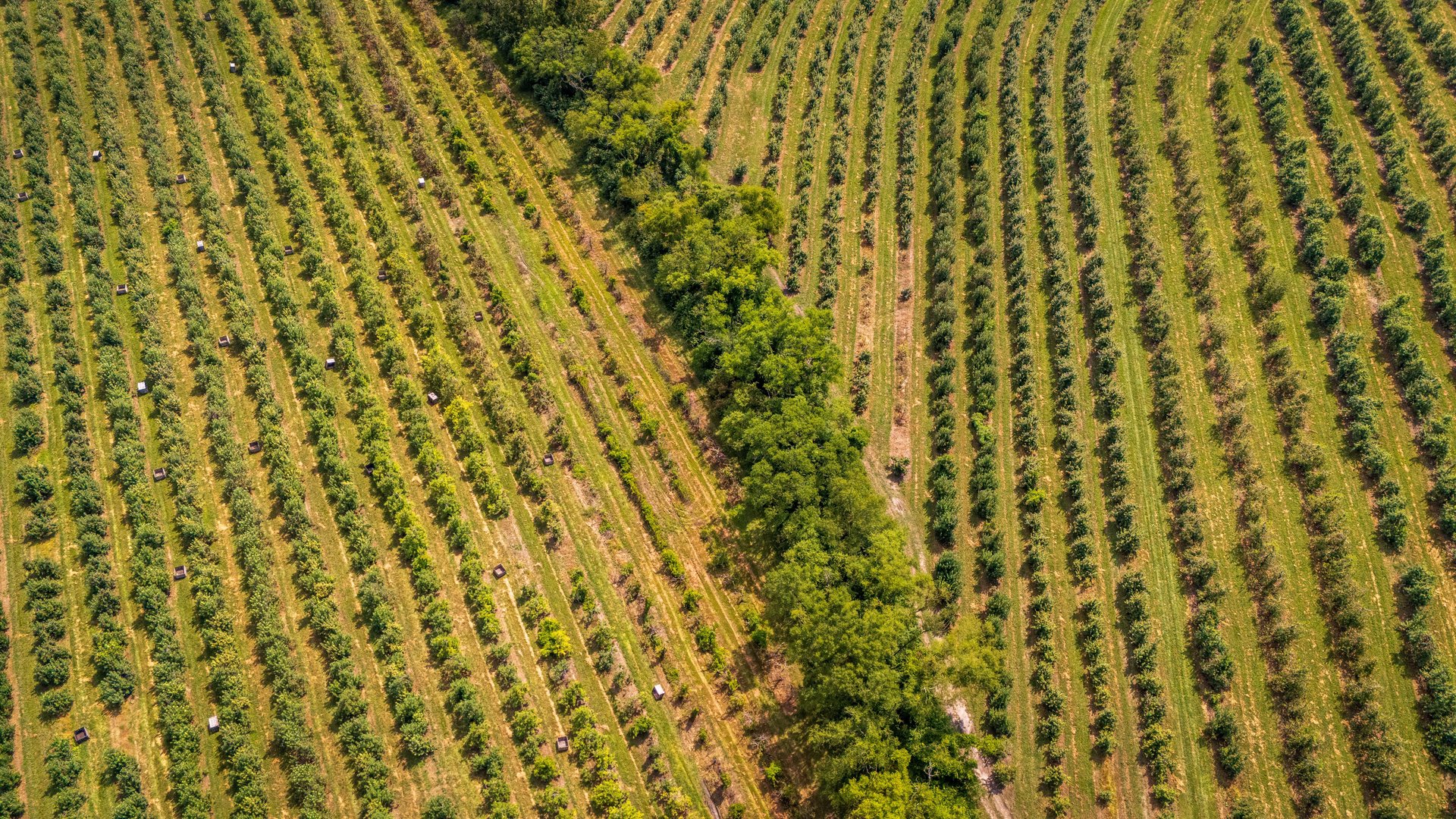
Ravenel has a clearly stated goal to preserve its rural character while supporting families, neighborhoods, agricultural uses, historic structures, and open space. That matters if you are looking for land that feels genuinely country, not simply undeveloped for the moment. It suggests a community thinking carefully about growth rather than treating it as an afterthought.
The town is about 20 miles west of downtown Charleston, near Highway 165 and U.S. 17. In practical terms, that location helps explain why Ravenel can offer a more rural setting while still being connected to Charleston for commuting, errands, and daily life. You get some breathing room without feeling fully disconnected.
Ravenel also operates within an active planning framework. The town’s current comprehensive plan addresses housing, transportation, land use, natural resources, and investment priorities. So if you are considering acreage here, it helps to view Ravenel as a place with both country identity and local planning oversight.
In Ravenel, country living can take several forms depending on the parcel and the governing jurisdiction. Based on the planning record, likely options may include estate-style homes on acreage, hobby-farm or farmstead parcels, raw land, and some planned tracts that preserve wetlands and open space. That mix can create real opportunity, but it also means no two properties should be assumed to work the same way.
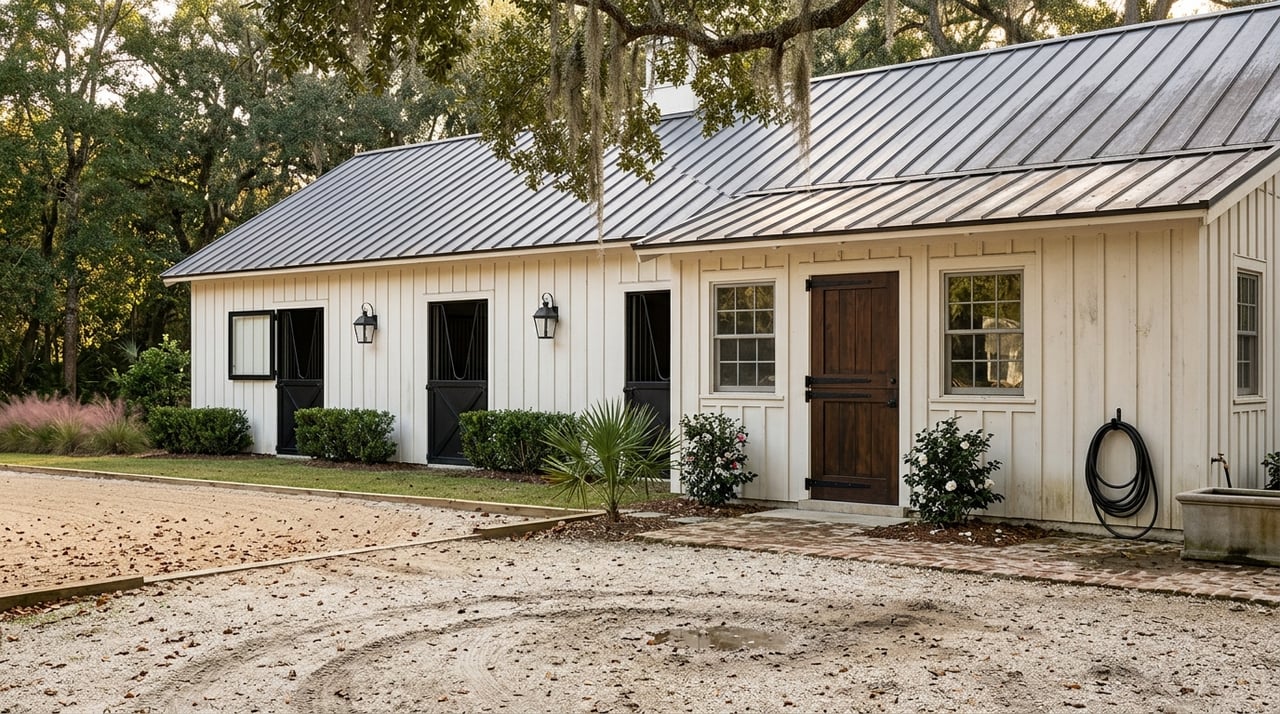
For some buyers, the goal is a private homesite with room for outbuildings and a garden. For others, it is a horse property with stalls, turnout space, and a riding area. Still others may be drawn to a larger tract for long-term flexibility. In Ravenel, those uses often depend less on the listing description and more on the actual rules tied to the parcel.
That is why the country search here tends to reward buyers who look beyond surface appeal. A beautiful field or a charming gate entrance does not confirm what you can build, where you can place a barn, or whether your utility plan will be simple. The details matter.
One of the most important early steps is figuring out whether a property is inside the Town of Ravenel or in unincorporated Charleston County. Charleston County states that its zoning and land-development regulations apply only to unincorporated properties. The Town of Ravenel maintains its own zoning map and ordinance and asks property owners to contact planning staff before starting a project.
That distinction can shape nearly every next step in your due diligence. Two properties that appear close together may be governed by different rules if one falls inside town limits and the other does not. If you are planning a barn, arena, fencing layout, grading, or even a change in use, that difference can be significant.
For buyers, this means jurisdiction should be confirmed before you get too attached to a property concept. If your vision includes horses, accessory structures, or future improvements, the first question is not just “Do I like the land?” It is “Who regulates this parcel, and what is allowed here?”
If you are searching for equestrian property in Ravenel, it is important to know that horse-related uses are treated as a distinct land-use category in rural Charleston County. County zoning language indicates that private stables are allowed in certain rural or agricultural districts, subject to conditions. Commercial stables require at least five acres.
The county language also notes that riding areas or trails are generally limited to the subject parcel unless recorded access to other land is documented. That point is easy to miss, but it matters. A property may have enough room for horses on paper while offering very different riding functionality in practice.
In other words, acreage alone is not the full story. You will want to verify whether the lot supports the actual way you plan to use it, including stable placement, turnout areas, riding space, and any trail access beyond the parcel itself.
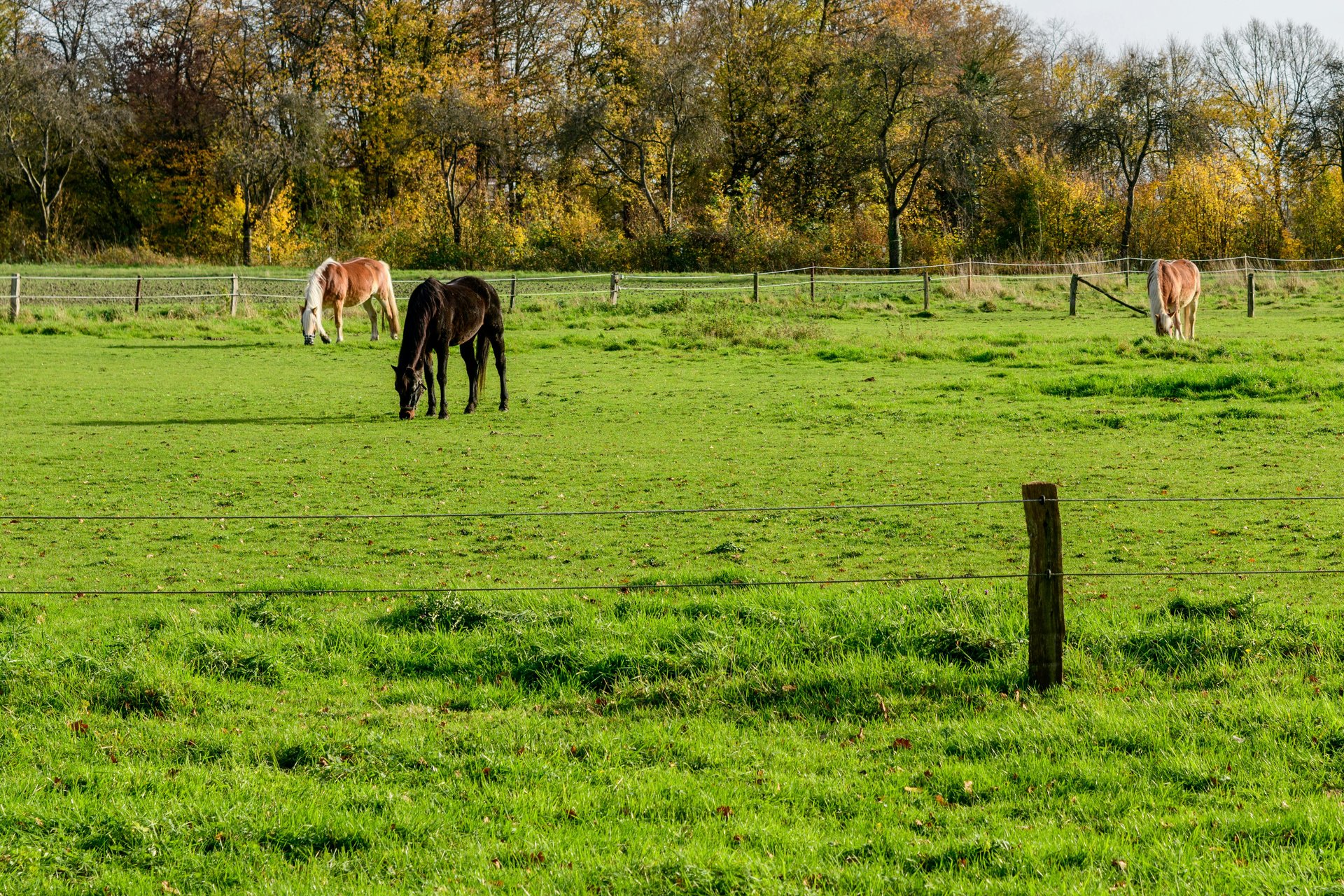
Before moving forward on a horse-friendly property, consider asking:
Those questions can save time, money, and frustration later in the process.
On acreage properties, utilities are often just as important as zoning. Ravenel’s planning materials state that Charleston Water System serves the town, but the service area stops at Ravenel’s western boundary. The town also maintains a sewer collection system that ties into the Hollywood system and Charleston Water System treatment.
Another key detail is that new development within 300 feet of an existing sewer line must connect to the sewer system. That can affect site planning, development cost, and how a future build is designed. If you are considering new construction, a barn conversion, or any meaningful site improvement, this is not a detail to leave until late.
Some rural properties may still rely on wells or septic systems, and Charleston County has a Wells, Septic Tanks & Connections program for homeowners who need assistance with those issues. For buyers, the takeaway is simple: utility service should be confirmed at the parcel level. Never assume the neighboring property’s setup will be the same as yours.
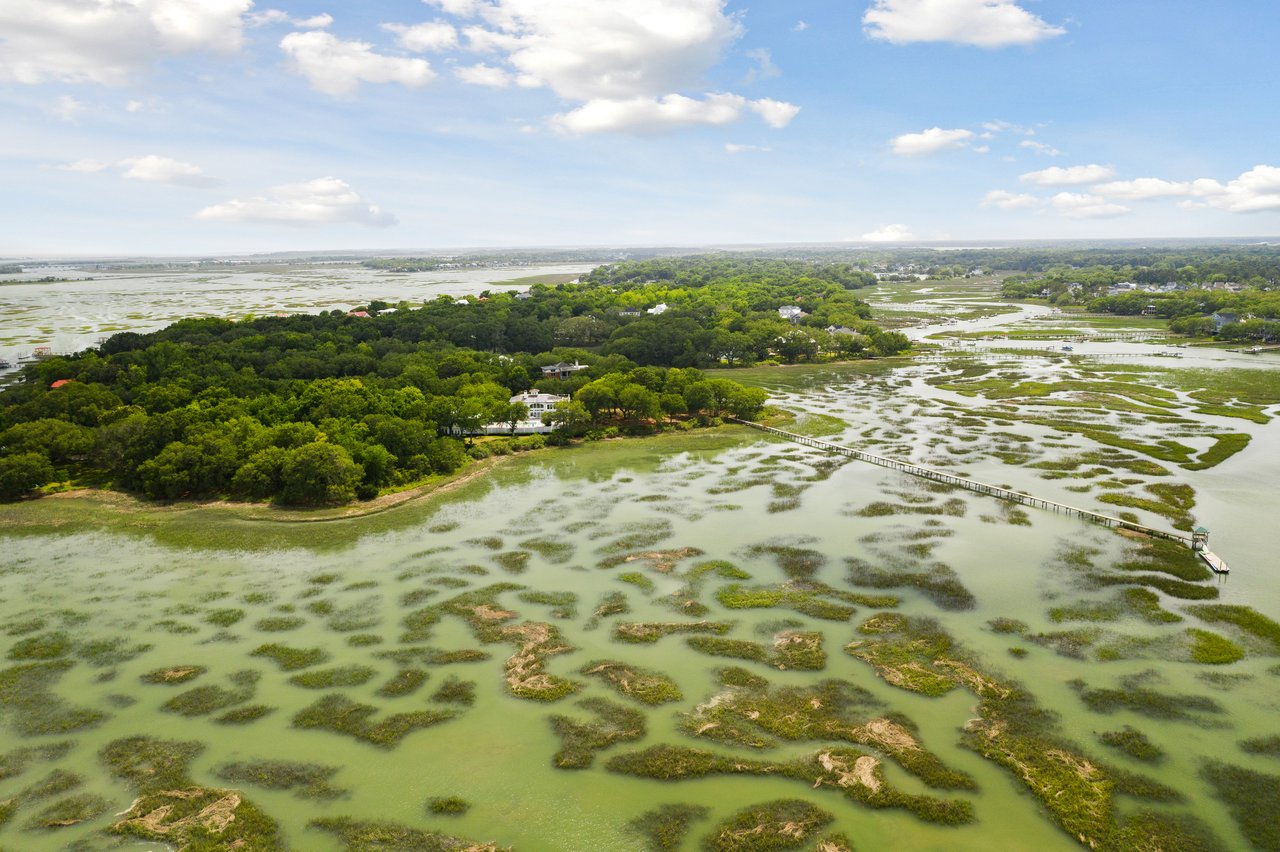
Flooding and wetlands are major due-diligence items in and around Ravenel. Town planning materials say wetlands in the area are associated with swamps and creeks. Another town document states that a large portion of Ravenel lies within a Special Flood Hazard Area.
Ravenel’s inland location may lessen some direct sea-level-rise exposure, but that does not eliminate flood-related review. On a rural or equestrian parcel, floodplain and wetland conditions can affect where you build, where animals are kept, how access roads are laid out, and how much usable land you really have. A large tract can feel very different once constrained areas are mapped.
Charleston County also notes that property owners in unincorporated county areas of Ravenel can request flood elevation-certificate information from the county. For buyers evaluating land, that can be a helpful part of the fact-finding process. The earlier you understand these conditions, the better your decision-making will be.
Not every property in the Ravenel area offers the same level of flexibility. The town’s website shows active planned-development review for large tracts such as Tea Farm and The Preserve at Ravenel, including land set aside for wetlands, green space, and parks. That means two acreage properties in the same broader area may come with very different rights and limitations.
This is where recorded covenants, HOA documents, and development approvals become especially important. A parcel that looks rural may still sit within a framework that limits structures, uses, or future improvements. If your goal is true equestrian use or a more customized country setup, these documents deserve careful review.
For many buyers, this is the difference between finding a beautiful property and finding a workable property. In Ravenel, the best purchase is usually the one where the land, rules, and future plans all align.
If you are considering country or equestrian living in Ravenel, this order of review is a practical place to start:
Ravenel’s planning department says property owners should contact the planning administrator before beginning a project. Charleston County also states that zoning permits may be required for building, grading, changes in use, and other land-disturbing activities. For buyers, that reinforces the value of early diligence rather than post-closing surprises.
Country and equestrian property searches tend to be more layered than a typical home search. You are not only evaluating the house. You are evaluating the land, the utility plan, the environmental conditions, and the rules that shape how the property can function over time.
That is especially true in a place like Ravenel, where the appeal comes from both its rural identity and its connection to greater Charleston. A thoughtful search means matching your goals to the parcel itself, not just the marketing language around it. If you are buying for horses, privacy, or long-term flexibility, the process should be grounded in specifics.
At Handsome Properties, we bring a Charleston-area perspective that values stewardship, local detail, and the practical side of distinctive property searches. If you are exploring acreage, a country home, or an equestrian opportunity in Ravenel, Handsome Properties can help you evaluate the details that matter before you write an offer.
Handsome Homes


Transforms property buying and selling into a thoughtful, curated, and highly personalized experience, expertly tailored to Charleston’s luxury, historic, and exclusive real estate markets.