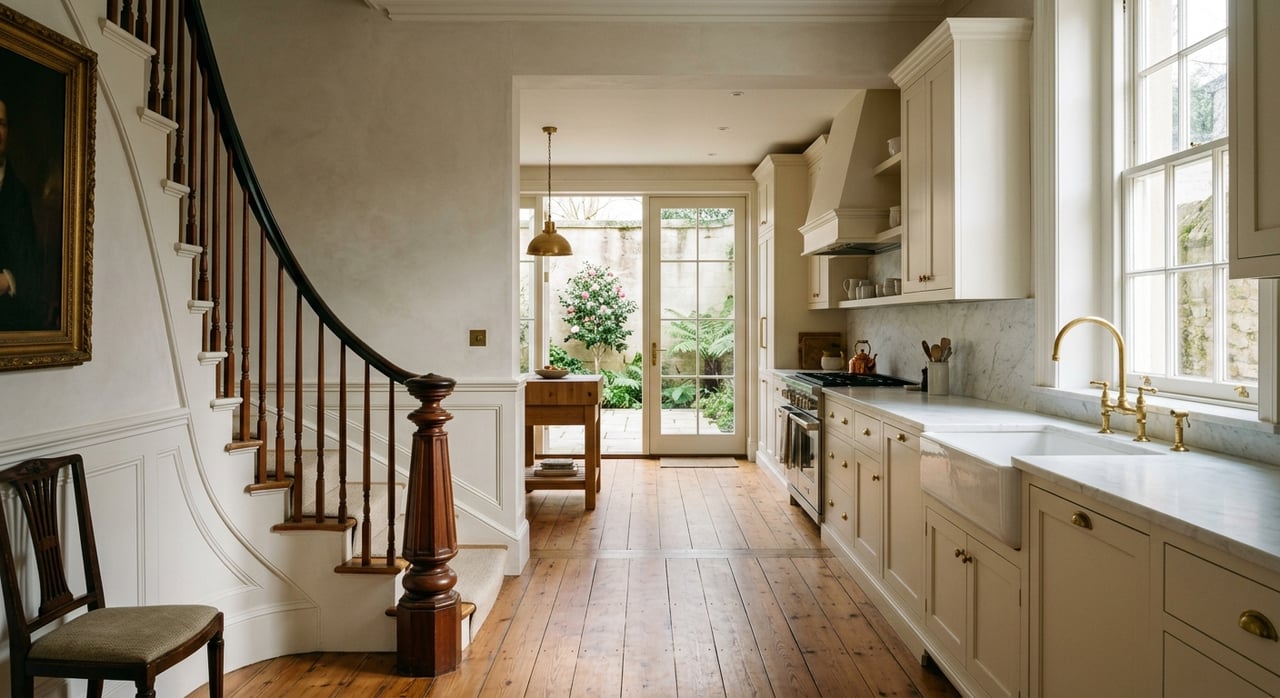
Renovating a Historic Charleston Home: What to Know
June 25, 2026
June 25, 2026
If you have ever fallen for a historic Charleston home, you already know the appeal is immediate. The piazza, the windows, the old brick, and the sense of place can make a property feel truly irreplaceable. But if you plan to renovate in Charleston’s historic core, charm alone is not enough. You need a clear process, the right expectations, and early guidance to avoid delays and costly missteps. Let’s dive in.
Charleston’s preservation process is more formal than many buyers expect. The city notes that its Board of Architectural Review, or BAR, was created in 1931, and Charleston describes itself as home to the country’s oldest historic district and first Board of Architectural Review.
In designated historic districts, the BAR reviews new construction, alterations, and renovations that are visible from the public right-of-way. It also reviews certain demolitions, including buildings 50 years or older south of Mt. Pleasant Street and any demolition in the Old and Historic District. Some minor alterations may be handled at staff level, which can simplify smaller projects.
The city’s preservation guidance strongly favors repair over replacement. It also emphasizes preserving as much historic material as possible and keeping additions visually subordinate to the original house. In plain terms, your project is more likely to succeed when it protects the home’s historic character instead of trying to erase it.
One of the biggest renovation mistakes is waiting too long to research the property. In Charleston, early research is part of the process, not an extra step for history enthusiasts.
The city encourages owners to speak with Preservation staff before starting work. Its guidance also points homeowners to architectural surveys, vertical files, Sanborn maps, historic aerials, tax records, and local archival resources. That kind of background work can help you understand what may have changed over time and what details are worth preserving.
You should also check for constraints that may not be obvious during a showing. Charleston’s Permit Center notes that approvals can be affected by preservation easements, foundation easements, and substantial-improvement issues. These details can shape what is possible long before final drawings are submitted.
Flood review is a major part of renovating many Charleston properties. The city states that properties in AE, Coastal A, and VE zones are in the Special Flood Hazard Area.
That matters because the city also says work in the Special Flood Hazard Area requires a permit, including painting, interior finishes, and storm-damage repairs. If you assume an interior-only project will move quickly without flood-related review, you may end up losing time.
If the home will be financed with a mortgage and sits in a Special Flood Hazard Area, flood insurance is generally required by lenders participating in the federal flood program. For buyers, that makes flood-zone confirmation an important part of both budgeting and ownership planning.
Many historic homes come with materials and systems that need closer review before renovation begins. If the property was built before 1978, lead-safe practices should be part of your planning.
The EPA states that renovations in pre-1978 housing can create lead dust and should be handled by lead-safe certified contractors. The EPA also recommends sampling suspect asbestos-containing materials before renovation if those materials will be disturbed.
These are not small details to sort out after demolition starts. They can affect contractor selection, timeline, and budget from day one.
Charleston’s design guidance is specific, and several features tend to draw close review. If you understand those priorities early, you can design smarter and reduce revisions.
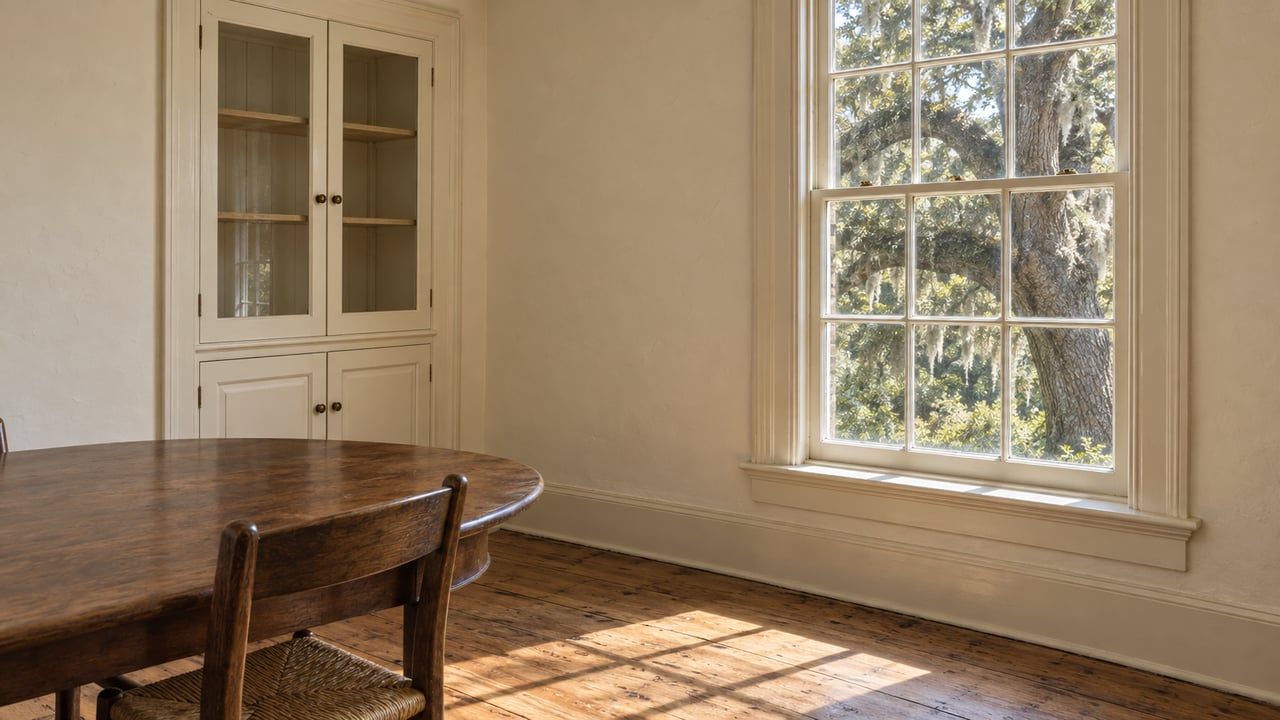
The city encourages repairing original windows whenever possible. If replacement is necessary, the new windows should match the original size, configuration, and materials.
Charleston’s guidance states that simulated divided-lite units, aluminum, and vinyl are not acceptable on historic residences. Storm windows are considered case by case. For owners, that means window decisions often deserve more time and budget than expected.
Historic masonry needs careful treatment. The city says historic brick generally should not be painted unless it was already painted, and waterproof coatings are not permitted because they can trap moisture and damage the wall assembly.
Charleston also warns that mismatched mortar can damage historic masonry. A quick cosmetic fix can create a much larger repair later, so masonry work should be approached with preservation in mind.
Piazzas and porches are treated as character-defining features in Charleston. Changes to these areas can have an outsized effect on review because they are central to the appearance and rhythm of many historic homes.
The city also discourages chain link, vinyl, aluminum, and PVC fencing in historic settings. If your renovation includes exterior site work, those details deserve attention just as much as the house itself.
Exterior equipment placement matters more than many owners realize. Charleston expects HVAC units, meters, and conduit to be screened or placed out of public view.
This is one reason early coordination between architect, contractor, and trades is so valuable. It is much easier to plan for discreet placement at the beginning than to revise after review comments come back.
Additions can be possible, but they need to be compatible with the original structure. Charleston’s guidance says new work should be compatible in scale and proportion while remaining visually distinguishable from the historic building.
Often this is achieved through an inset connection or a hyphenated link between old and new. The goal is not to make the addition disappear completely, but to let the historic house remain the primary visual story.
Charleston’s permit process is document-driven, and complete submittals matter. Even a relatively simple single-family alteration with no floor plan change still requires a building permit application, photos of existing conditions, and a BAR application if the property is in a designated district.
If your project includes non-structural layout changes, drawings are required. If it includes structural changes, the city’s guidance says you will need stamped engineering drawings or an engineer’s letter.
Depending on the scope, separate sub-permits may also be required for electrical, gas, mechanical, and plumbing work. The BAR handles review of exterior work in designated districts, while the Building Inspections Division handles code and inspection questions.
The sequence matters. According to the Permit Center, complete submittals move through review, then fees are paid, then the permit status becomes issued, and only then can work begin. Incomplete attachments or unclear drawings can slow the project before construction ever starts.
Historic renovations in Charleston rarely reward rushed planning. Some in-kind repairs and minor alterations may be reviewed at staff level, but more visible exterior work may require fuller BAR review.
That means your timeline should allow for comments, revisions, and inspections. It should also include coordination with Charleston Water System before submitting the building permit application, because the city states that failing to confirm service requirements in advance can create delays and added cost.
A practical timeline usually includes these stages:
One of the most common budgeting mistakes is treating design and approvals like minor side costs. In Charleston, they are part of the real project cost.
The city’s guidance shows that your documentation may include photos, drawings, engineering, and BAR materials before a permit is issued. Those items should be included in your renovation budget from the start.
Window work and masonry repairs are common cost pressure points. Original windows can be expensive to replace, which is one reason the city encourages repair when possible. Masonry issues can also become expensive if hidden damage, improper coatings, or incompatible mortar are uncovered.
If the home was built before 1978, you should also budget for lead-safe practices. If suspect asbestos materials may be disturbed, testing and abatement planning may be needed as well.
For homes in flood-prone areas, your budget may also need to account for flood-compliant design details, elevation-related documentation, and possible insurance impacts. The larger point is simple: a healthy contingency is part of good historic-home planning.
Buyers sometimes assume any historic renovation will qualify for tax credits. In reality, the rules are narrower.
According to the National Park Service, the 20 percent federal rehabilitation credit applies to certified historic structures used for business or other income-producing purposes. Owner-occupied residential property does not qualify.
South Carolina’s State Historic Preservation Office says income-producing historic buildings may also qualify for a 10 percent state credit or an optional 25 percent state credit if the project qualifies. If you are purchasing a primary residence, it is wise to confirm eligibility early rather than build your budget around an assumption.
The right renovation strategy in Charleston is usually not the fastest or flashiest one. It is the one that begins with research, respects the building, and assembles the right specialists early.
That often means asking better questions before you buy. Is the property in a designated historic district? Is it in a Special Flood Hazard Area? Are there easements or title-level restrictions? Will window, masonry, or addition plans align with Charleston’s preservation standards?
For many buyers, the best outcome comes from treating renovation as stewardship rather than simple updating. That mindset tends to protect both the character of the home and the long-term value of the investment.
If you are considering a historic purchase or preparing to renovate a significant Charleston property, working with a team that understands the city’s architecture, process, and ownership realities can make every step more intentional. To start the conversation, connect with Handsome Properties.

Transforms property buying and selling into a thoughtful, curated, and highly personalized experience, expertly tailored to Charleston’s luxury, historic, and exclusive real estate markets.