America Celebrates 250 Years of Independence
June 25, 2026
June 25, 2026
Today, America is one of the most individualistic cultures in the world, but it wasn’t until 250 years ago that Americans tasted the freedom we know and love today for the first time. Looking back at history, there are many different conceptions on how long it really took Americans to get the freedom they've appreciated for the past 250 years. After the British established their first colony, it wasn’t until 176 years later that the British crown retreated. Once the colonists decided it was their time to fight back with violence in the colonies, nearly eight years later, their fight came to an end, and they got their freedom. But the time wasn’t really a pressing matter for Americans; they found the true meaning of America through the relentless pursuit of independence and the development of the American Spirit.
The past 250 years have been a transformative time for Americans, but how much of the American mindset has actually changed during this time? All Americans are born with the same three pillars shaping our society, whether they are unwanted or needed. The pillars of individualism, the “American Dream”, and self-reliance are all instilled in the minds of Americans and are what allow this country to thrive for 250 years. The freedom that we as Americans have is expressed in every part of our lives and the decisions we make unconsciously. You can see the freedom in the way Americans dress, in the way we think, and in the way we build our communities.
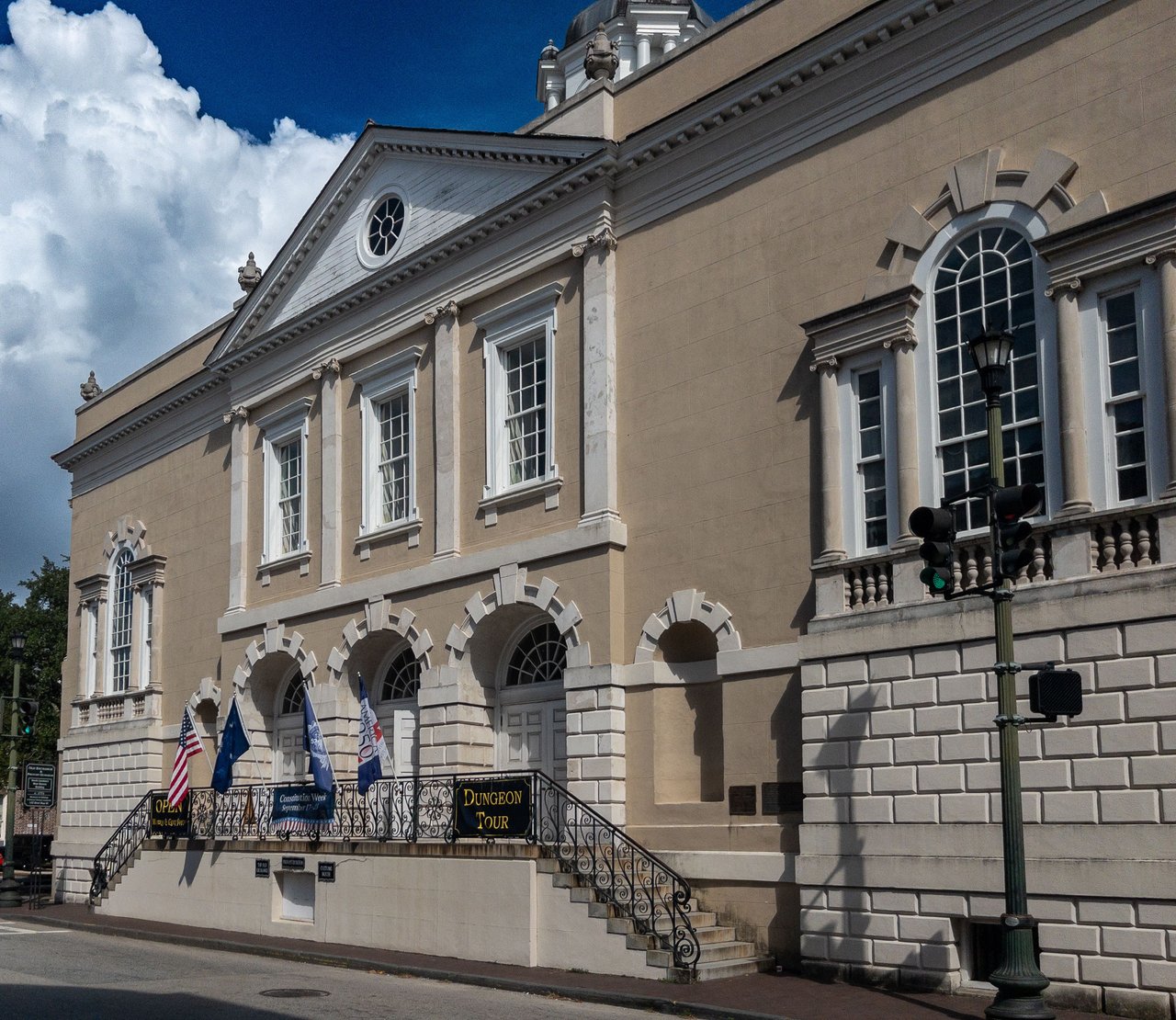
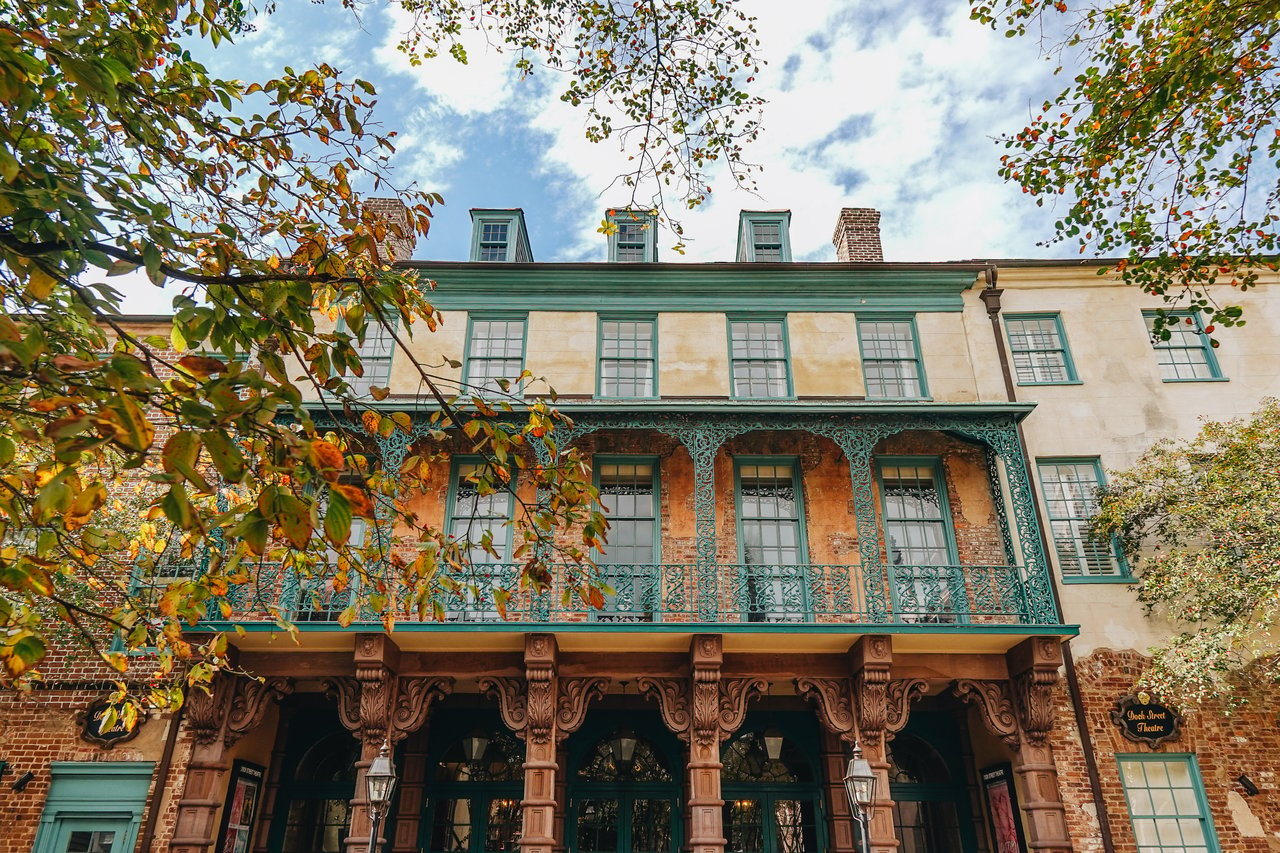
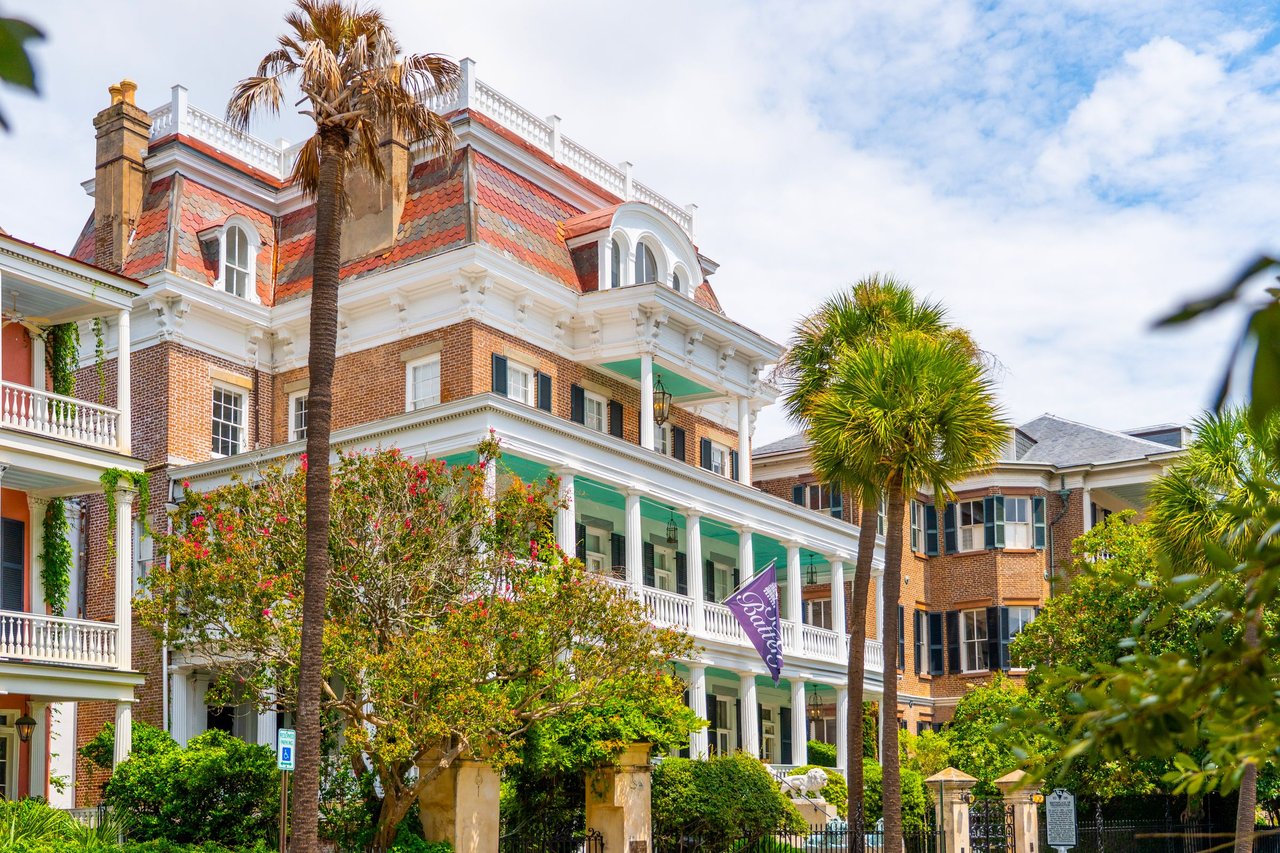
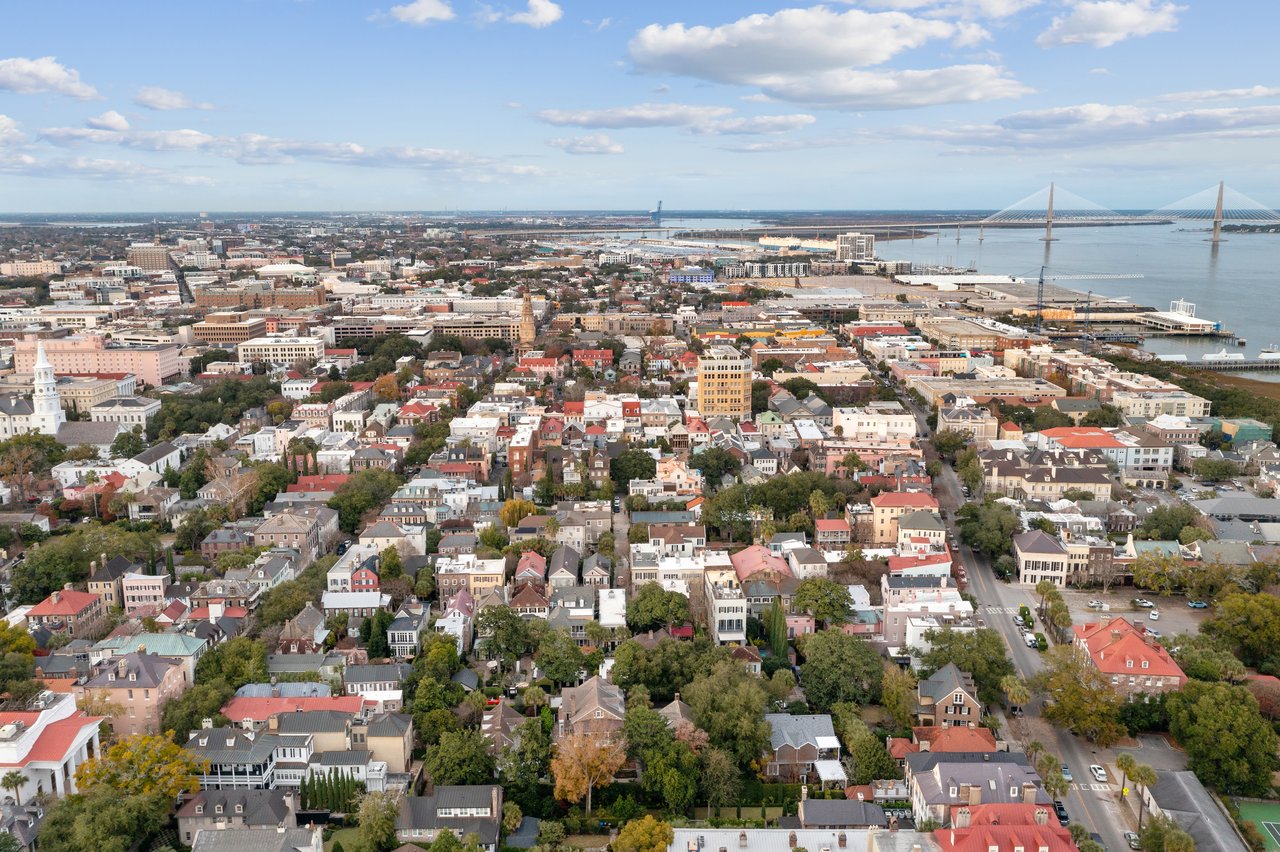
During the time of the colonies, Charleston was the Crown Jewel of the South, yet to be marked with iconic history, and was the fourth largest city in the colonies and undeniably one of the wealthiest. The role Charleston played in the fight for independence is not forgotten and is widely debated as one of the most important places in that struggle. The Liberty Tree, which once stood at East Bay Street, marked the beginning of the fight for independence for the people of Charleston and the surge of Patriotic Fervor. It was a place for Patriots to meet, along with other places like Broad St that we know today, and begin a protest of the taxes. This was not their only effort, as they had their own (less violent) tea party; in 1773, over 250 chests of taxed tea arrived at the Charleston Harbor. In retaliation, they refused to pay the duty, which forced the ship to sit in the harbor with the tea going unclaimed.
From 1780-1782, Charleston was taken over by the British; during these two and a half years, it became a military hub for the British, and as a Patriot, that life was lived in secret. That ended on December 14th, 1782, when there was a small battle on James Island, resulting in some of the final losses in the war for independence. After that battle, the British finally went home, and many people celebrated locally as that marked the end of the war. Though this is heavily debated, the American spirit shines through again, resulting in South Carolina license plates saying “Where the Revolutionary War Was Won”. Though this wouldn't be the only battle fought in Charleston, it is what shaped how they approached the battles that lay ahead, and the way locals take pride in what Charleston has done for the greater good of the country.
Even though the timing of the war is objective to most, Americans can look past that and realize the big picture is the undying American spirit that was born with this fight for independence. Learning about what freedom really is was not something Americans took lightly; they began to base their life around their freedom and independence. Charleston may have been late to be hit with Patriotic Fervor, but once it spread, the people of Charleston became strong-headed for their independence. It may be up for debate how big a role they played in the final days of the war, but it is clear the people of Charleston know what was fought for and carry that tradition with them today.
Handsome Homes
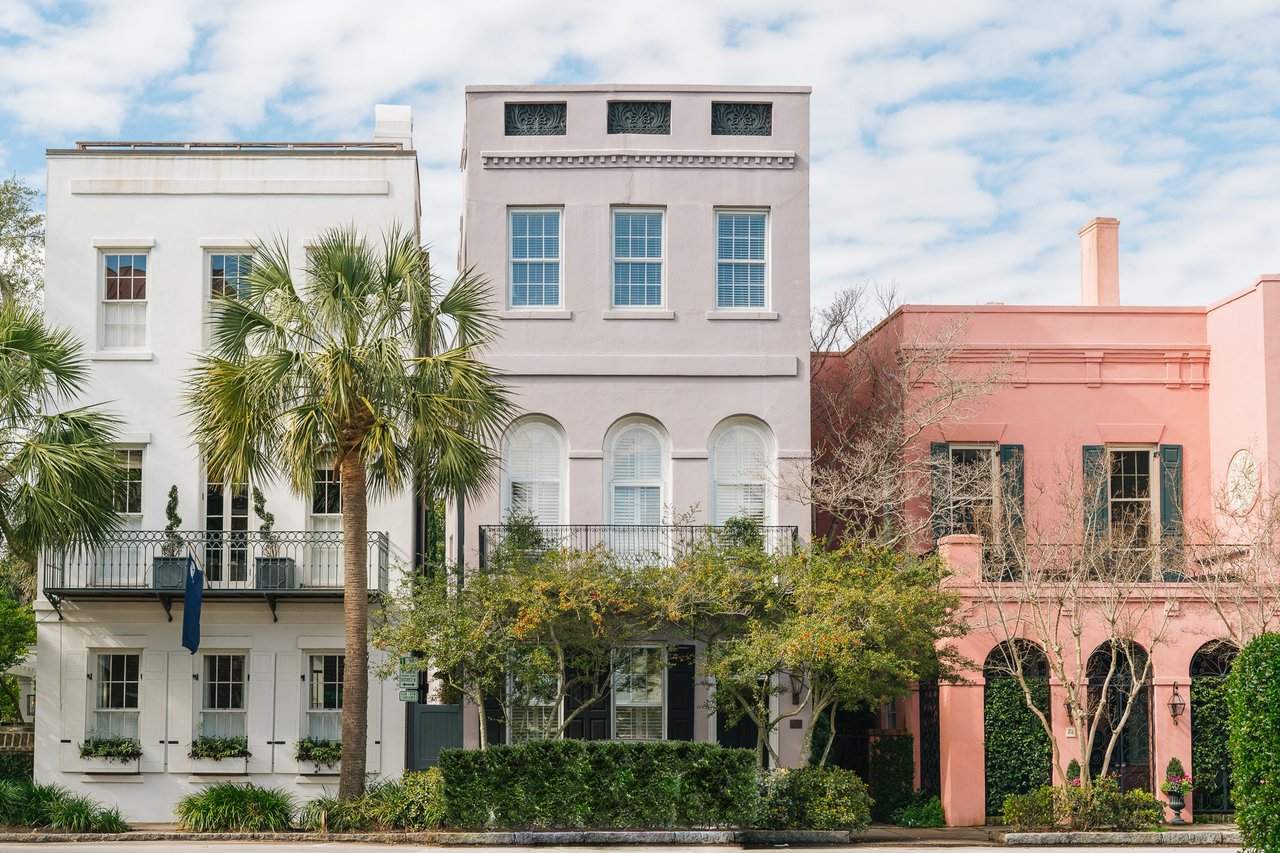
Transforms property buying and selling into a thoughtful, curated, and highly personalized experience, expertly tailored to Charleston’s luxury, historic, and exclusive real estate markets.