
Selling Your Downtown Charleston Home To Out-Of-Town Buyers
July 9, 2026
July 9, 2026
If your downtown Charleston home is going to attract the right out-of-town buyer, it has to do more than look good in person. It has to make a strong impression through a screen, answer practical questions quickly, and help a non-local buyer feel confident from the first click. In a market where pricing varies sharply by block and many buyers are searching from other cities, a thoughtful launch can make a real difference. Let's dive in.
Downtown Charleston continues to draw interest from relocating buyers, second-home shoppers, and people exploring the market from outside the region. In the 29403 market, Realtor.com reported a median listing price near $989,000 in May 2026, with 184 homes for sale, a median of 42 days on market, and a sale-to-list ratio of 97%.
That combination tells you something important. Homes are selling, but they are not typically disappearing overnight. When buyers are comparing options from Charlotte, Washington, New York, Boston, Seattle, Chicago, and beyond, your home needs to feel clear, polished, and easy to understand before they ever step onto the peninsula.
Redfin's Q1 2026 migration analysis also showed outside-metro search interest in Charleston from those cities. Since those searches can include relocation, second-home, and investment intent, your marketing should be built for buyers who may not be local when they first engage with the property.
Before you think about photos or showings, focus on how your home will read both online and in person. Out-of-town buyers often make early decisions based on presentation, and downtown homes benefit from a launch plan that emphasizes space, light, and architectural character.
According to the 2025 NAR staging report, 29% of agents saw staged homes receive a 1% to 10% increase in offered value, and 49% saw staging reduce time on market. The most common seller recommendations were decluttering, deep cleaning, and improving curb appeal.
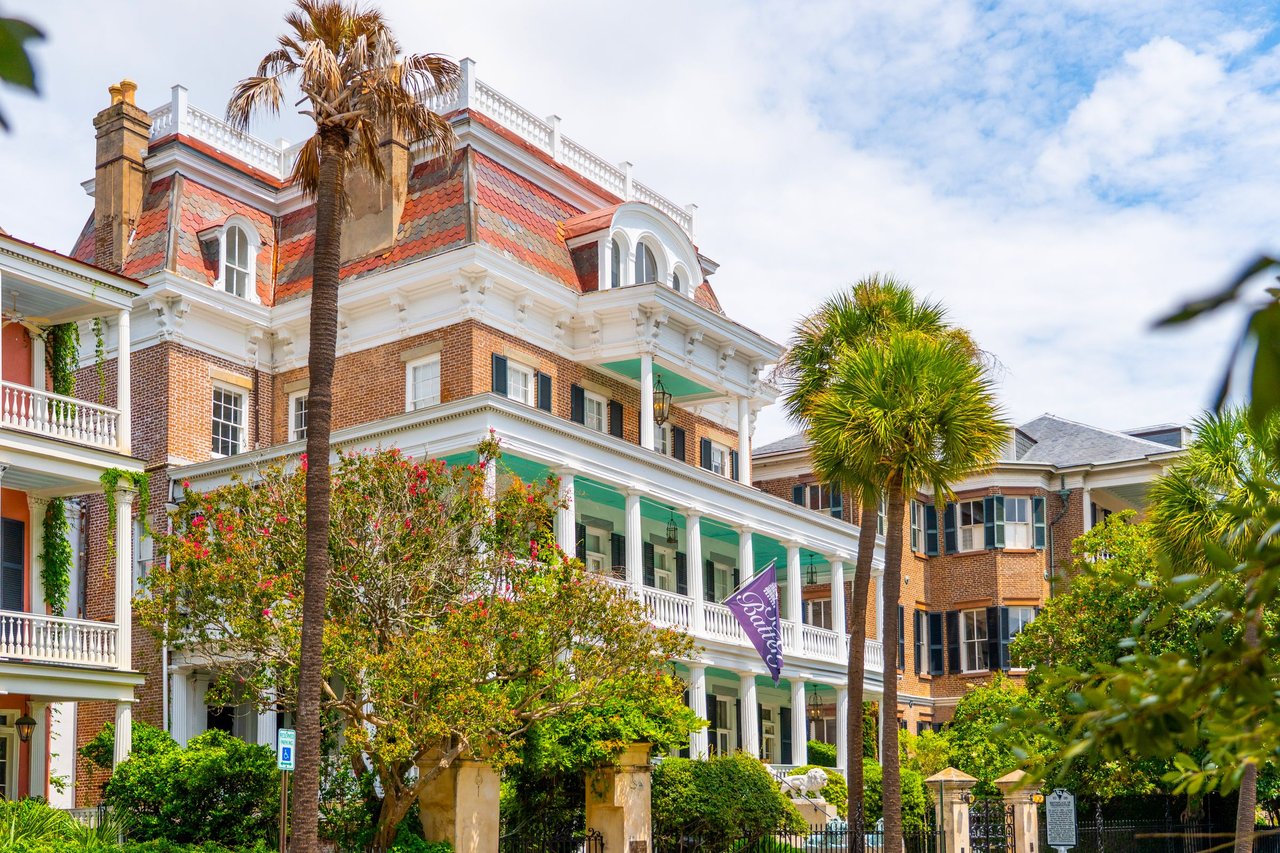
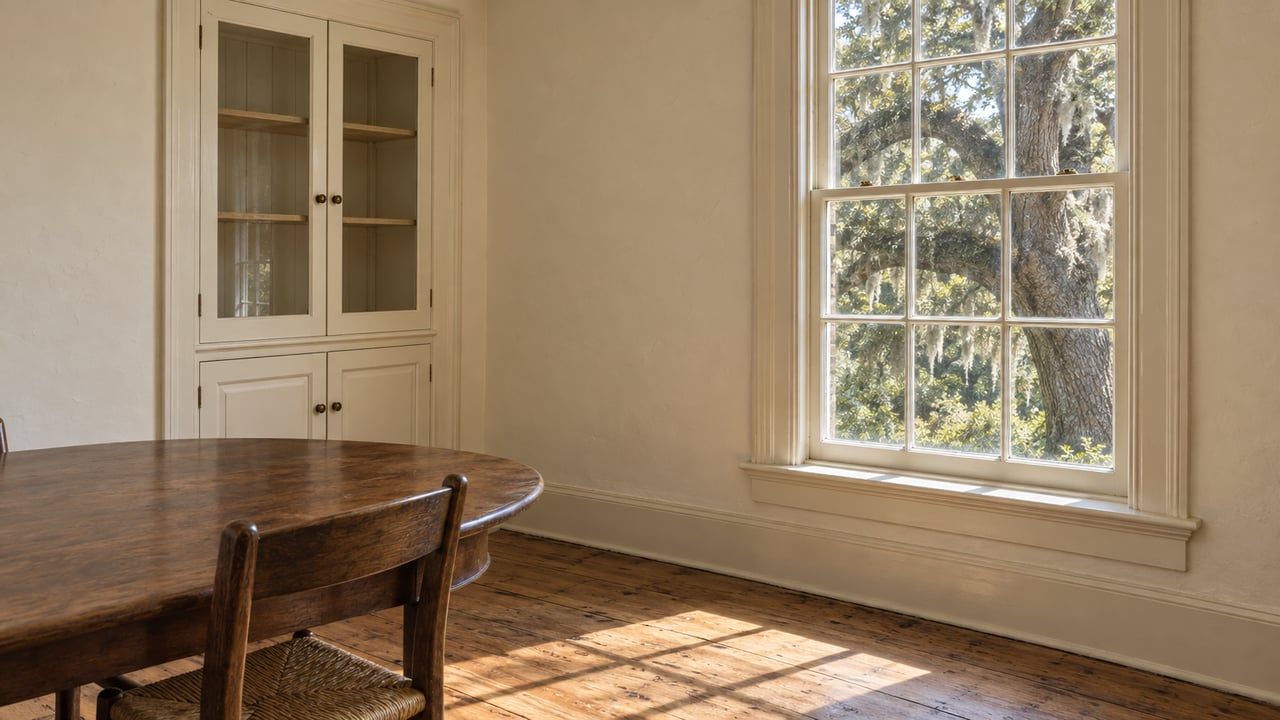
For a downtown Charleston property, that usually means editing rather than overfilling. You want to highlight original details, ceiling height, natural light, and room flow. A clean visual story helps non-local buyers understand the home more quickly.
The same NAR staging report found that the living room, primary bedroom, and kitchen mattered most to buyers' agents. If you are deciding where to spend time and money before listing, those spaces deserve priority.
That does not always mean a full renovation. In many cases, the best return comes from simplifying furniture layouts, refreshing paint where needed, sharpening lighting, and making sure each room has a clear purpose.
In historic parts of Charleston, exterior work may involve more than design preference. The City of Charleston says the Board of Architectural Review reviews new construction, alterations, and renovations visible from the public right-of-way, while many minor items are handled by staff review.
That means timing matters. If you are considering exterior touch-ups before listing, it is wise to confirm whether the work falls under staff review or BAR review so your launch is not delayed unexpectedly.
For downtown sellers, flood readiness is not a side issue. It is one of the first practical questions many out-of-town buyers will ask, especially if they are less familiar with Charleston's coastal conditions.
The City of Charleston states that all properties in Charleston are in a flood zone, though not all are in the FEMA Special Flood Hazard Area. The City also notes that elevation certificates can help homeowners better understand risk and may help qualify for reduced flood insurance premiums.
The South Carolina Department of Insurance says a standard homeowners policy does not cover flood damage. For a seller, this is a reminder to gather the right documents early so your listing can answer basic questions clearly and avoid unnecessary hesitation.
Before your home goes live, it helps to have:
When a remote buyer asks a practical question, a fast and organized response builds trust.
If your buyer pool includes people shopping from other cities, professional visuals are not optional. They are central to how your home competes.
NAR's 2025 staging report found that buyers' agents rated photos as highly important at 73%, with videos at 48% and virtual tours at 43%. Among internet-using buyers, 83% said photos were very useful and 41% said virtual tours were very useful.
For downtown Charleston sellers, that points to a simple truth. Your listing needs more than a quick photo set. It needs a media package that helps someone understand the home's scale, finishes, flow, and setting without being physically present.
A well-prepared visual package should help an out-of-town buyer:
That is especially important in downtown Charleston, where homes can vary widely in layout, age, lot placement, and condition from one block to the next.
Even in a high-touch luxury market, broad digital exposure still matters. NAR's 2025 generational trends report found that listings were most commonly marketed through the MLS website, yard signs, open houses, Realtor.com, third-party aggregators, agent websites, company websites, virtual tours, and video.
For a downtown Charleston listing, the best strategy is usually layered. You want strong MLS exposure, portal syndication, a polished property webpage or website presence, and a complete visual story that supports both private tours and remote decision-making.
This matters because many out-of-town buyers begin with broad search behavior and narrow quickly once a home feels credible, complete, and easy to evaluate.
One of the biggest gaps for non-local buyers is neighborhood context. Downtown Charleston is not one uniform market, and pricing can change significantly by submarket and even by block.
That means your marketing should not stop at the property line. It should help buyers understand the home's setting in a factual, neutral way, including its place within the peninsula, proximity to daily conveniences, and the character of the surrounding streetscape.
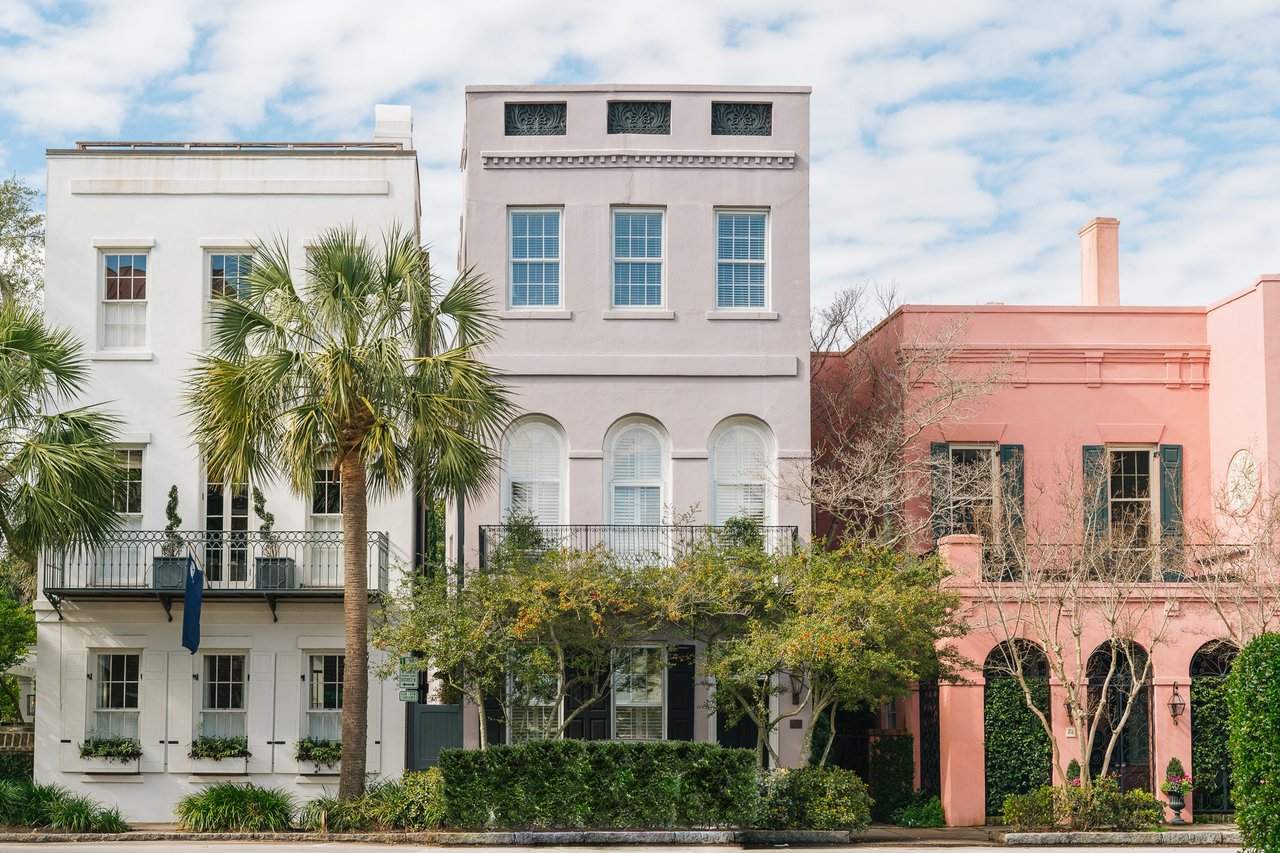
For a historic residence, that may mean emphasizing architectural context and preservation details. For a downtown condominium, it may mean making building features and lock-and-leave convenience easy to understand. The goal is clarity, not overload.
A remote buyer often needs a different path from interest to offer. They may start with photos, move to a video walkthrough, ask detailed questions over text or email, and then schedule a focused in-person or live video tour.
That is why showing strategy matters. Instead of treating every inquiry the same, your plan should support both local and out-of-town buyers with prompt scheduling, clean information, and consistent follow-up.
A strong plan often includes:
NAR's 2025 generational trends report also found that buyers value property information by text, emails tailored to specific needs, and market reports on recent listings and sales. In other words, remote buyers often respond best to quick, documented communication.
In a market with a median of 42 days on market and a 97% sale-to-list ratio in 29403, pricing and launch quality work together. A downtown Charleston home that enters the market with strong visuals, clear documentation, and realistic pricing is better positioned to hold attention early.
This is especially true with out-of-town buyers. If your listing feels confusing, underexplained, or overpriced relative to nearby options, many remote shoppers will simply move on before asking a single question.
A thoughtful pricing strategy should consider not only the home itself, but also the specific submarket, condition, architectural significance, and how the property compares online against its most likely competition.
Selling to an out-of-town buyer usually means more moving parts, not fewer. You may need help coordinating prep work, managing access, organizing documents, handling communication, and keeping the process on track from launch through closing.
NAR's 2025 Profile of Home Buyers and Sellers found that 91% of sellers used a real estate agent, and that sellers most wanted help marketing the home, pricing it competitively, and selling within a specific timeframe. The same report found that 83% of sellers wanted a broad range of services and management of most aspects of the home.
For downtown Charleston homeowners, that kind of support can be especially valuable when the property is historic, architecturally detailed, or owned from afar. A team with local fluency and operational depth can help your home show at its best while keeping communication organized and calm.
If you are preparing to sell a downtown Charleston home and want a thoughtful plan built for non-local buyers, Handsome Properties offers the local knowledge, presentation strategy, and white-glove support that distinctive homes deserve.
Focus on strong prep, professional photography, video or virtual touring tools, clear property details, and fast communication so remote buyers can evaluate the home with confidence.
Decluttering, deep cleaning, curb appeal, and careful attention to the living room, primary bedroom, and kitchen are often the most useful early steps based on NAR staging data.
It helps to assemble flood zone details, any available elevation certificate, and other relevant property records early so buyers can review practical information without delay.
Some exterior changes visible from the public right-of-way may require review by the City of Charleston's Board of Architectural Review or staff, so it is smart to confirm requirements before starting work.
In 29403, homes are generally not selling instantly, so a strong first impression through pricing, presentation, and complete information can help prevent your listing from losing momentum early.
Research shows many buyers value quick property information by text, emails tailored to their needs, and regular updates on listing activity and market context.



Transforms property buying and selling into a thoughtful, curated, and highly personalized experience, expertly tailored to Charleston’s luxury, historic, and exclusive real estate markets.