Daniel Island Neighborhoods And Home Styles Explained
May 21, 2026
May 21, 2026
If Daniel Island feels hard to pin down, that is because it was designed that way. Instead of one uniform subdivision, it works as a collection of neighborhood types with different housing mixes, settings, and association structures. If you are trying to figure out where you fit, this guide will help you sort Daniel Island by lifestyle, layout, and home style so you can start your search with clarity. Let’s dive in.
Daniel Island is a 4,000-acre island within the City of Charleston in Berkeley County, set between the Cooper and Wando rivers. Its master plan treats the island as a connected community made up of neighborhoods, open space, and a mixed-use town center.
That planning matters when you are house hunting. The city requires at least 20% of the island’s gross acreage to remain open space, which helps explain why parks, trails, marsh views, and green corridors are such a visible part of daily life here.
The island is also divided into three main property association types: DICA, DIPA, and DITA. In simple terms, those associations help separate the island into different residential patterns, which is why Daniel Island makes more sense when you think in terms of neighborhood type rather than just address.
A practical way to understand Daniel Island is to break it into three broad living experiences:
Each area has its own rhythm, and each one tends to attract buyers looking for a different kind of everyday routine.
The Town Center was planned as a walkable village, not a strip-commercial corridor. Design guidelines call for a mix of retail, offices, civic uses, townhomes, apartments, and some individual houses, with buildings placed closer to the street and streets designed with pedestrians in mind.
If you want a home base where daily errands, dining, and recreation feel close at hand, this is the island’s clearest fit. The Town Center is intended to serve as a retail, entertainment, civic, and office center while also functioning as a residential neighborhood.
You will most often see condos, apartments, townhomes, and some smaller-scale residential options in and around downtown Daniel Island. For many buyers, that usually signals easier upkeep and a more lock-and-leave lifestyle.
That makes this part of the island especially useful to compare if you are deciding between a detached home and a lower-maintenance property. It is also one of the clearest places to start if walkability is high on your list.
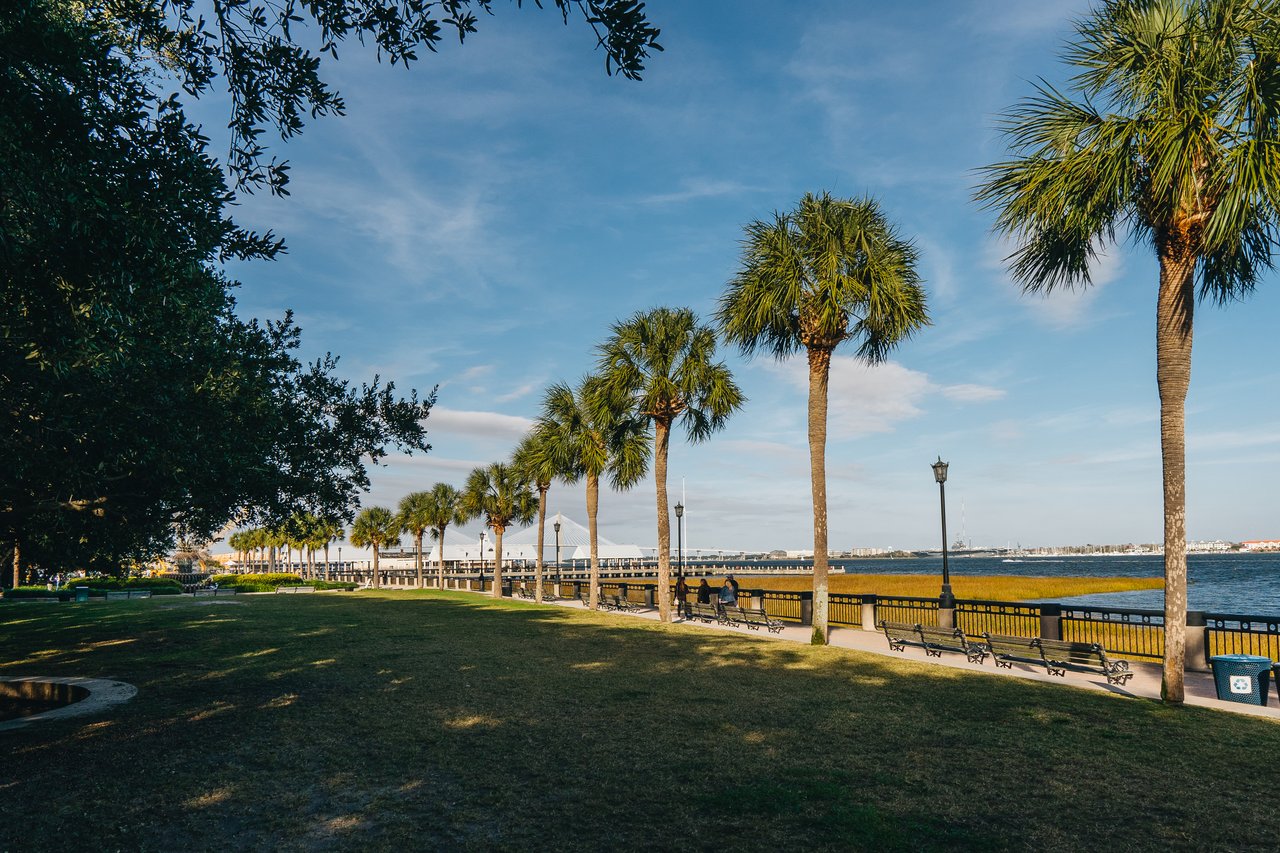
Town Center living also connects you to several public amenities. Daniel Island Waterfront Park on the Wando River includes riverfront walking trails, a playground, and a fishing pier, while nearby Governor’s Park adds fields, trails, a dog park, and a playground.
Those features reinforce the downtown setting. Even when you live in a more compact housing type, outdoor access remains part of the experience.
South of I-526, DICA covers single-family homes and townhomes, along with Parkside Condominiums. This area reads as the island’s broad residential core, with neighborhoods organized around parks, trails, and everyday convenience.
For many buyers, this part of Daniel Island feels like the most balanced expression of the original master plan. You will find a strong mix of detached homes and townhomes, plus easy connections to shared green space.
In these neighborhoods, single-family homes are the most common product, with townhomes also appearing in the mix. Compared with the Town Center, the housing here usually feels more rooted in neighborhood blocks and park-front settings.
If you want more private living space without moving into the largest custom-home segment, this is often where your search begins. It can also be a good fit if you want access to island amenities while keeping a more traditional neighborhood feel.
Several of Daniel Island’s best-known parks sit in this section of the island:
These parks are a big part of why south-of-I-526 neighborhoods feel so interconnected. Instead of one central green, you get a network of shared outdoor spaces that shapes how each area lives day to day.
Daniel Island’s trail system stretches more than 25 miles and winds through marsh, maritime forest, neighborhoods, and downtown. That trail network helps connect the island’s residential pockets rather than making them feel separate.
The POA also notes that Daniel Island School is within walking or biking distance of all island neighborhoods. In addition, the Bishop England Loop trail connects Bishop England High School with Daniel Island School and the library, reinforcing how movement across the island is built into the plan.
North of I-526, DIPA covers residential property except the Oaks. Daniel Island Park is described in the current design guidelines as a collection of small, intimate neighborhoods arranged around green space, neighborhood parks, or the golf course.
The overall setting is lower density and more park-like. Homes here are meant to sit within the landscape, with design rules that emphasize preserving trees and important view corridors, especially on golf-oriented and waterfront sites.
This is the clearest area for buyers seeking detached single-family homes on larger homesites, along with a more custom feel. The guidelines note that single-family detached homes are the norm, while smaller cottages and townhomes may be allowed in some cases.
In practical terms, this is where Daniel Island most strongly shifts toward estate-style and custom-home living. If your priorities include larger lots, more architectural control, and a more private setting, Daniel Island Park tends to stand apart from the rest of the island.
The guidelines for this area describe architecture rooted in the Lowcountry vernacular, with simple forms and restrained massing. That means the visual character is intended to feel thoughtful and subdued rather than oversized or attention-seeking.
For buyers who care deeply about architecture, that design approach is worth noting. It helps explain why the area feels cohesive even though individual homes can vary in size and detail.
Daniel Island Park is also the island’s clearest fit for buyers interested in a club-oriented environment. The Daniel Island Club includes two nationally ranked golf courses, along with tennis, fitness, and pool amenities.
That does not mean every buyer here is choosing the area for golf alone. More often, it is part of a broader preference for a quieter, landscape-driven setting with a stronger custom-home identity.
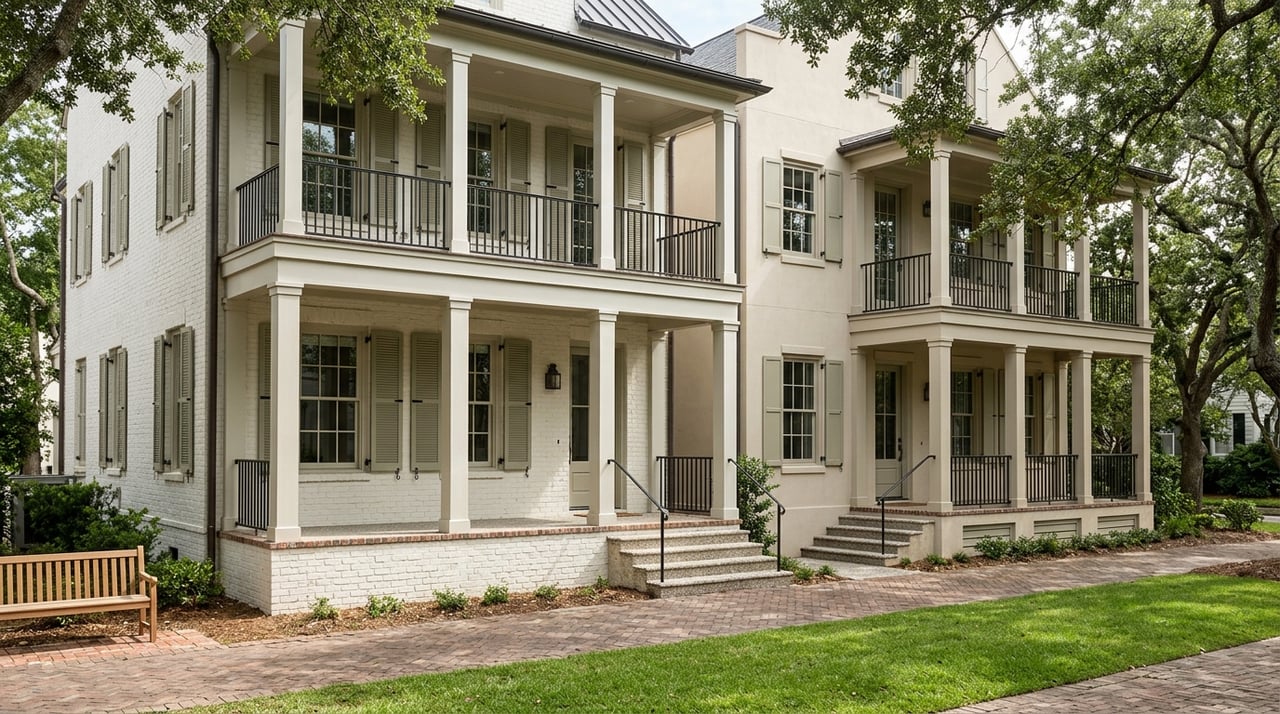
Across Daniel Island, the housing mix is intentionally broad. The master plan favors sidewalks, front porches, bike paths, and a range of home types rather than a one-size-fits-all layout.
A simple buyer shorthand can help:
This framework is useful because it aligns with how the island was planned. Instead of starting with street names, you can start by asking what level of maintenance, privacy, and walkability fits your routine.
For most buyers, the best first question is not, “Which street do I want?” It is, “What kind of daily life do I want this home to support?”
On Daniel Island, that usually means choosing between three broad patterns:
Because the trail system, parks, and waterfront spaces connect the island so well, those choices feel distinct without feeling isolated. That is part of what makes Daniel Island appealing to such a wide range of buyers.
On an island with multiple association structures, varied housing types, and very different neighborhood settings, two homes with the same ZIP code can offer very different lifestyles. Knowing that early can save you time and sharpen your search.
At Handsome Properties, we help buyers look past the listing photos and focus on fit, from architecture and lot setting to maintenance level and day-to-day livability. If you are exploring Daniel Island and want a more tailored read on which neighborhood and home style best match your goals, connect with Handsome Properties.

Transforms property buying and selling into a thoughtful, curated, and highly personalized experience, expertly tailored to Charleston’s luxury, historic, and exclusive real estate markets.