Buying Acreage And Waterfront Property On Johns Island
May 28, 2026
May 28, 2026
If you are buying acreage or waterfront property on Johns Island, the view is only part of the story. A beautiful marsh edge, deep lot, or quiet road can be compelling, but the real value often comes down to access, utility planning, flood considerations, and how the land can actually be used. When you know what to evaluate before you buy, you can make a more confident decision and avoid costly surprises later. Let’s dive in.
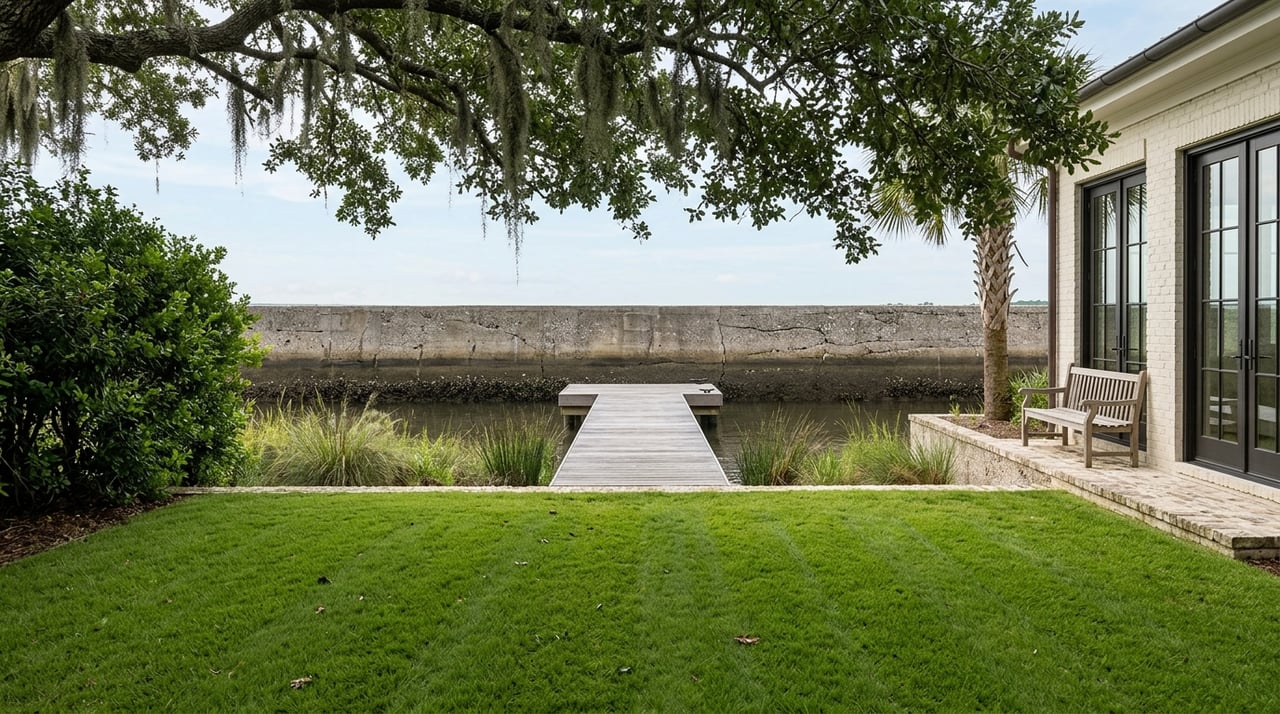
Johns Island is shaped by forested land, tree-lined roads, wetlands, and wide marsh views. That rural-coastal character is a major reason buyers are drawn to the island, especially when they want more privacy, more land, or a waterfront setting.
For many buyers, the lot is just as important as the home. On Johns Island, acreage and waterfront property often require a different level of due diligence because the property’s setting can affect everything from driveway placement to septic feasibility to long-term enjoyment.
Before you focus on house plans or dock ideas, look closely at how the property connects to the rest of the island. Johns Island’s road network is evolving, and access can shape your daily routine as much as the land itself.
Charleston County’s Maybank Highway project from River Road to the Stono River Bridge was in design phase, the Northern Pitchfork road opened in March 2024, and the River Road over Burden Creek bridge replacement process was still advancing in 2026. That means your commute, contractor access, and even future resale perception may be affected by ongoing or planned road work.
A smart step is to drive the route more than once. Try morning and afternoon traffic, and if possible, drive during active construction periods so you understand how the property feels in real time.
On Johns Island, acreage should also be reviewed within the context of the Maybank Highway and Main Road corridors. Charleston County and the City of Charleston created overlay zoning districts in these areas to standardize land-use and development requirements.
For you as a buyer, that can affect site design, tree removal, and future improvements. A parcel may appear straightforward on paper, but corridor overlay rules or scenic-road considerations can influence what you can do and how the property is approached from the road.
Some of Johns Island’s most appealing roads also carry added importance from a planning standpoint. Charleston County notes that Bohicket Road and River Road are scenic roads, and Bohicket Road is identified as South Carolina’s first state-legislatively designated scenic highway.
That does not just add charm. It means road-front appearance, tree preservation, and driveway placement may matter more than they would in a more conventional subdivision setting.
One of the biggest mistakes buyers make with acreage is assuming that utility service works the same way across the island. On Johns Island, it does not.
Charleston Water System provides water service across parts of the region and sewer service only to parts of Johns Island within its sewer footprint. St. John’s Water Company says it serves Johns Island water customers but does not provide wastewater service. In practice, many larger tracts and estate properties may still rely on septic, and some may also need a private well.
The key is to treat water, sewer, septic, and well feasibility as separate questions. Do not assume that if a parcel has one utility solution, the others are simple.
South Carolina requires approval and a permit before a septic system can be installed on property that is not served by public or community sewer. The state also advises buyers to confirm water and sewer availability before purchasing land and to evaluate whether the lot has enough space for septic setbacks, slopes, wet soils, wetlands, or flood-prone areas.
This is especially important on Johns Island because a lot can look generous in size and still be difficult or expensive to engineer for a home. Buildable area and usable area are not always the same thing.
If the parcel will need a well, South Carolina requires permits for new individual residential wells. The homeowner is also responsible for testing and treating private well water.
That means well feasibility should be part of your early due diligence, not an afterthought. If you are considering vacant land or a large homesite, make sure you understand what utility setup the property will actually require.
On Johns Island, waterfront appeal is easy to see. What matters just as much is what the flood map says.
Charleston County identifies storm surge from Atlantic hurricanes as its greatest flooding threat, and local flood-risk decisions should be tied to the county’s flood zone determination and FEMA mapping. The county also updated its flood damage prevention ordinance in 2024 in response to county-wide FEMA map updates and rising floodwater concerns.
Before you assume a lot is buildable the way it appears, review the flood map and ask whether an elevation certificate is available. This helps you understand risk, design constraints, and how the home may need to sit on the site.
With waterfront and marsh-front property, buyers often focus on the highest point or the most dramatic view line. But Johns Island planning materials emphasize the island’s wetlands and marsh views, which means orientation deserves careful thought.
Morning versus afternoon sun, prevailing breeze, privacy from nearby tracts, and the home’s relationship to the marsh edge or waterline all matter. On a larger estate site, the best placement may be the one that balances light, view, comfort, and flood resilience rather than simply maximizing exposure.
If you are buying waterfront property, dock rights and shoreline improvements deserve their own review track. These questions should be answered before closing, not after.
The South Carolina Department of Environmental Services Bureau of Coastal Management regulates critical areas such as coastal waters and tidelands. According to the state, waterfront property may need a dock master plan or a critical-area permit, and living shorelines or dock reconstruction may also require approval.
When you evaluate a waterfront lot, ask:
These details can have a direct effect on how you use the property and what future improvements may look like.
Acreage and waterfront purchases on Johns Island are not just about land planning. They are also about how you want to live.
For boating-focused buyers, nearby marinas help define the appeal. Bohicket Marina & Market offers wet slips, dry stack, transient docking, and on-site amenities, while St. John’s Yacht Harbor offers wet slips, lift slips, a pool, courtesy car, ship store, and water-oriented services on the Intracoastal Waterway side of the island.
The island also has an established dining base along Maybank Highway. The Royal Tern, Wild Olive, and Minero are part of the local mix, which gives Johns Island a more grounded day-to-day lifestyle than buyers sometimes expect.
There is also public open space that reflects the island’s preserved character. Charleston County’s Progressive Club Greenspace on River Road includes a trail, benches, and picnic space and is open during daylight hours.
If you are narrowing down acreage or waterfront options, keep this checklist handy:
Buying acreage or waterfront property on Johns Island often involves more moving parts than a typical home purchase. Access, flood risk, utilities, shoreline rules, and site orientation all work together, and each can affect how well the property fits your goals.
That is why careful local guidance matters. When you approach Johns Island with a clear process, you can protect your investment while still finding the privacy, water access, and Lowcountry setting that make this part of the Charleston area so distinctive.
If you are considering acreage, marsh-front land, or a waterfront estate on Johns Island, Handsome Properties can help you evaluate the details that matter most and move forward with clarity.




Handsome Homes
Transforms property buying and selling into a thoughtful, curated, and highly personalized experience, expertly tailored to Charleston’s luxury, historic, and exclusive real estate markets.