Cultural Influences: Communities That Shaped Charleston’s Historic Homes
Handsome Properties November 8, 2024
Handsome Properties November 8, 2024
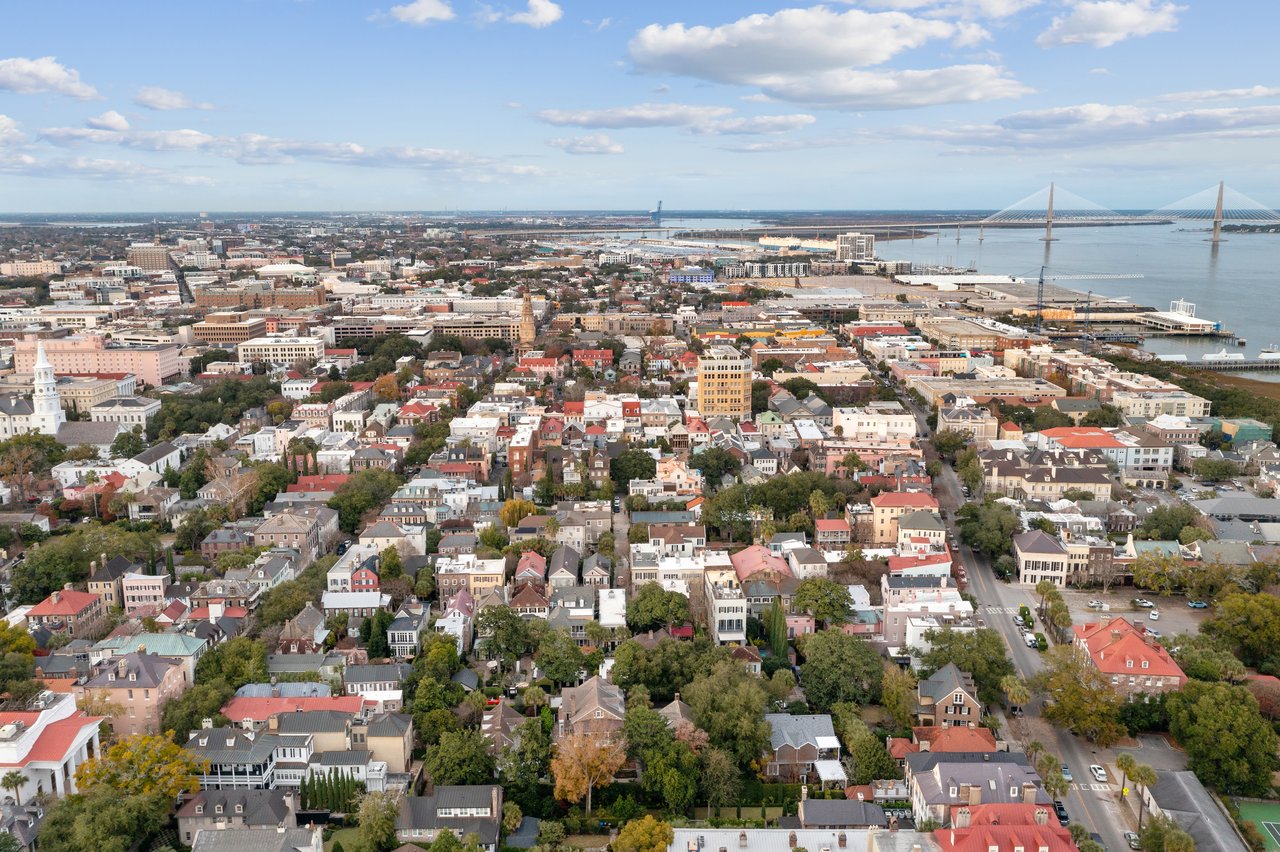
Charleston, South Carolina, is a city steeped in history, where the streets echo with stories of a bygone era. Walking through its historic districts, you can’t help but marvel at the architectural grandeur that has withstood the test of time. But what makes
Charleston’s historic homes truly remarkable is the rich tapestry of cultural influences that have shaped them over centuries. Each architectural detail, material choice, and design element tells a story of the diverse communities that have called Charleston home.
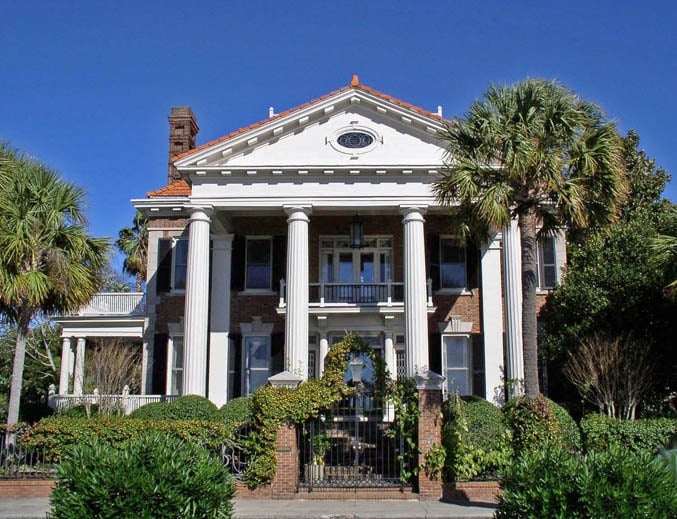
Charleston’s early architecture was heavily influenced by the British settlers who arrived in the late 1600s. They brought with them the architectural styles of their homeland, most notably the Georgian style, which became the foundation for many of the city’s earliest homes.
Characterized by symmetry, classic proportions, and decorative elements like brickwork and pediments, these homes often featured high ceilings and large windows designed to maximize ventilation in the humid climate.
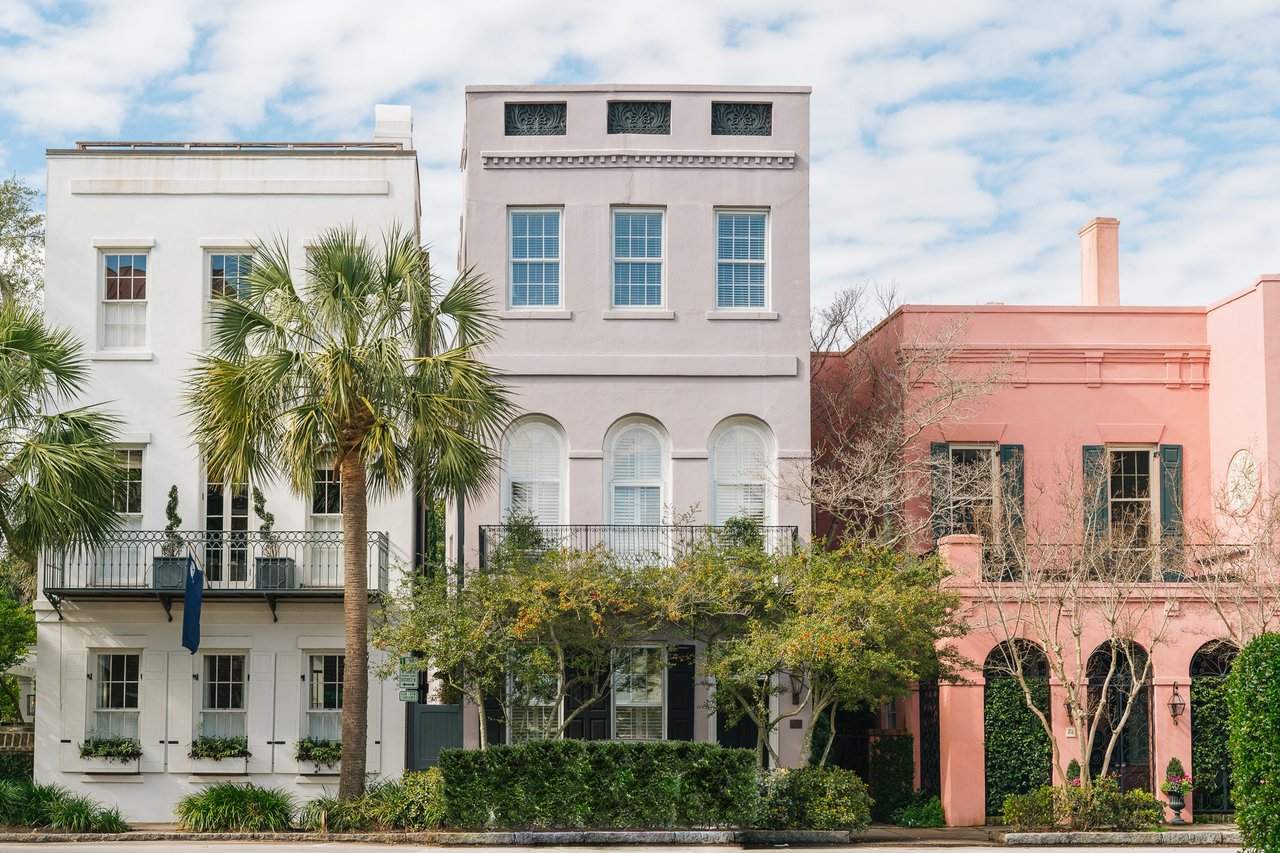
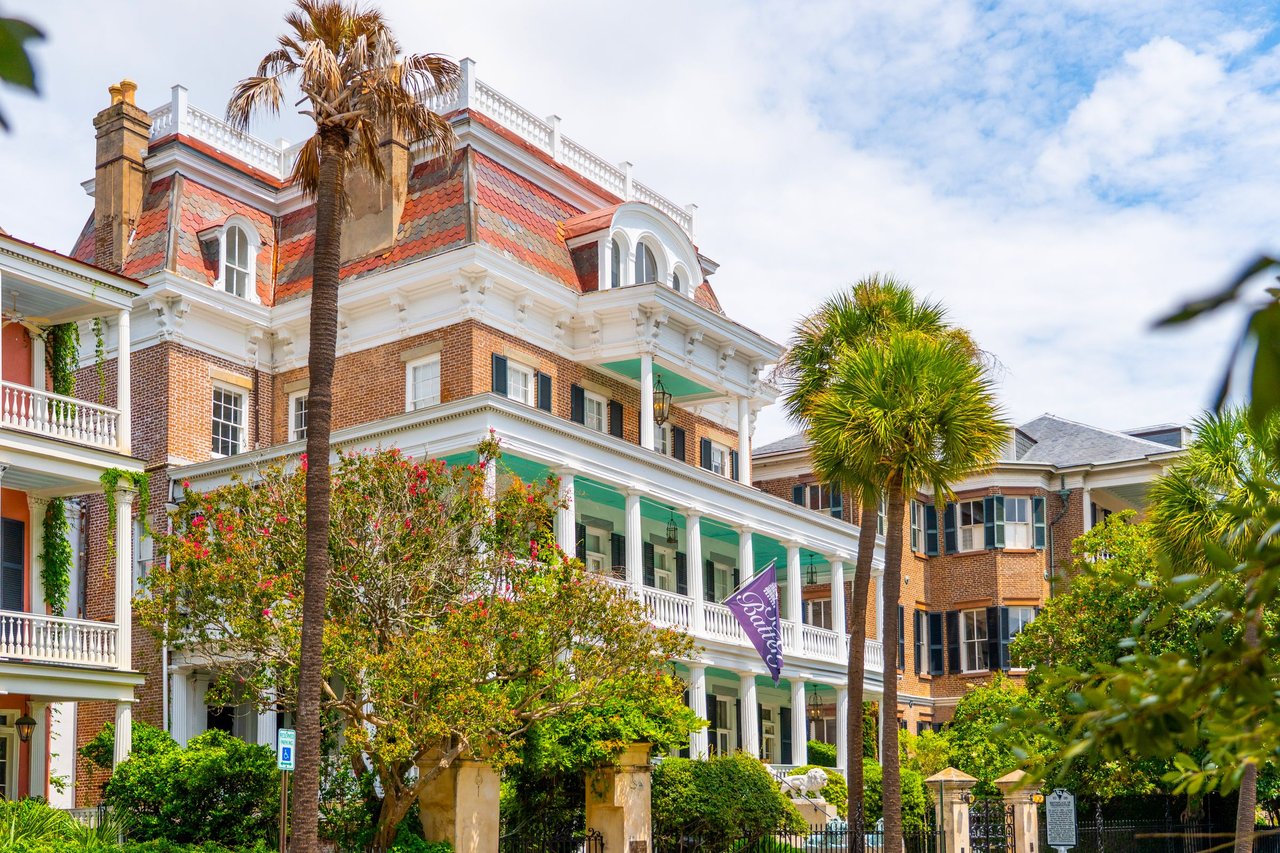
The influence of British Colonial architecture is evident in some of Charleston’s most iconic structures, including the elegant row houses along Rainbow Row and the stately mansions along the Battery. These homes reflect the wealth and status of Charleston’s early European settlers and set the tone for the city’s architectural identity.
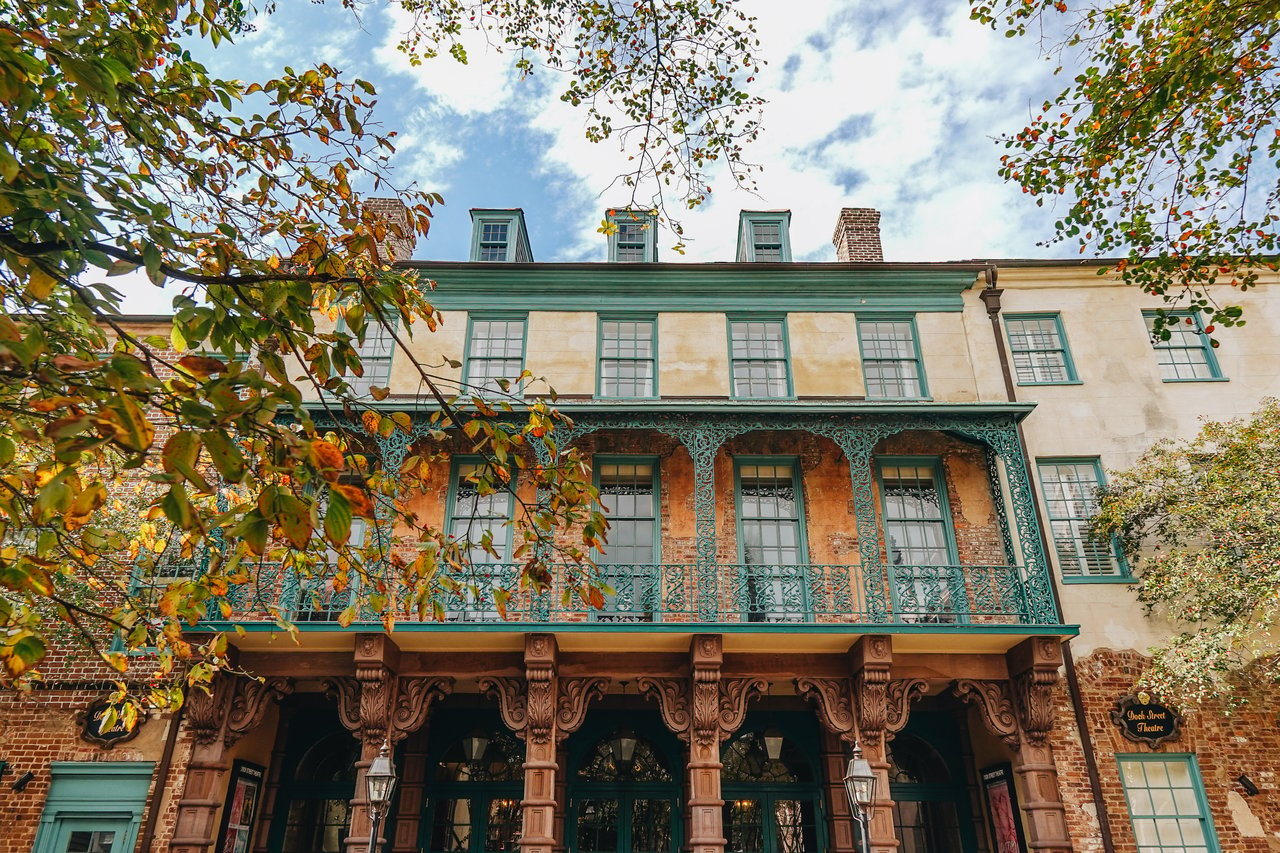
One of the most iconic examples of African craftsmanship is the wrought iron gates that grace so many of Charleston’s properties. These gates, often featuring intricate patterns and motifs, were crafted by skilled blacksmiths. The work of Philip Simmons, a renowned African American blacksmith, can still be seen throughout the city. His work serves as a lasting tribute to the contributions of African artisans.
In addition to the ironwork on homes, the legacy of African craftsmanship continues to thrive in Charleston’s markets. It’s a place where contemporary African American artisans sell their creations. These artists, inspired by the traditions of their ancestors, offer a range of handmade goods.
From ironwork to jewelry and woven baskets—each piece reflects the rich cultural heritage that has shaped Charleston. The presence of these modern artisans in the market ensures that the contributions of African craftsmen and women remain an integral part of Charleston’s cultural and architectural identity.
Charleston’s position as a bustling port city meant that it was heavily influenced by Caribbean culture. Particularly influenced by Barbados and other West Indian islands. The influence of Caribbean architecture is evident in the city’s famous “single house” design.
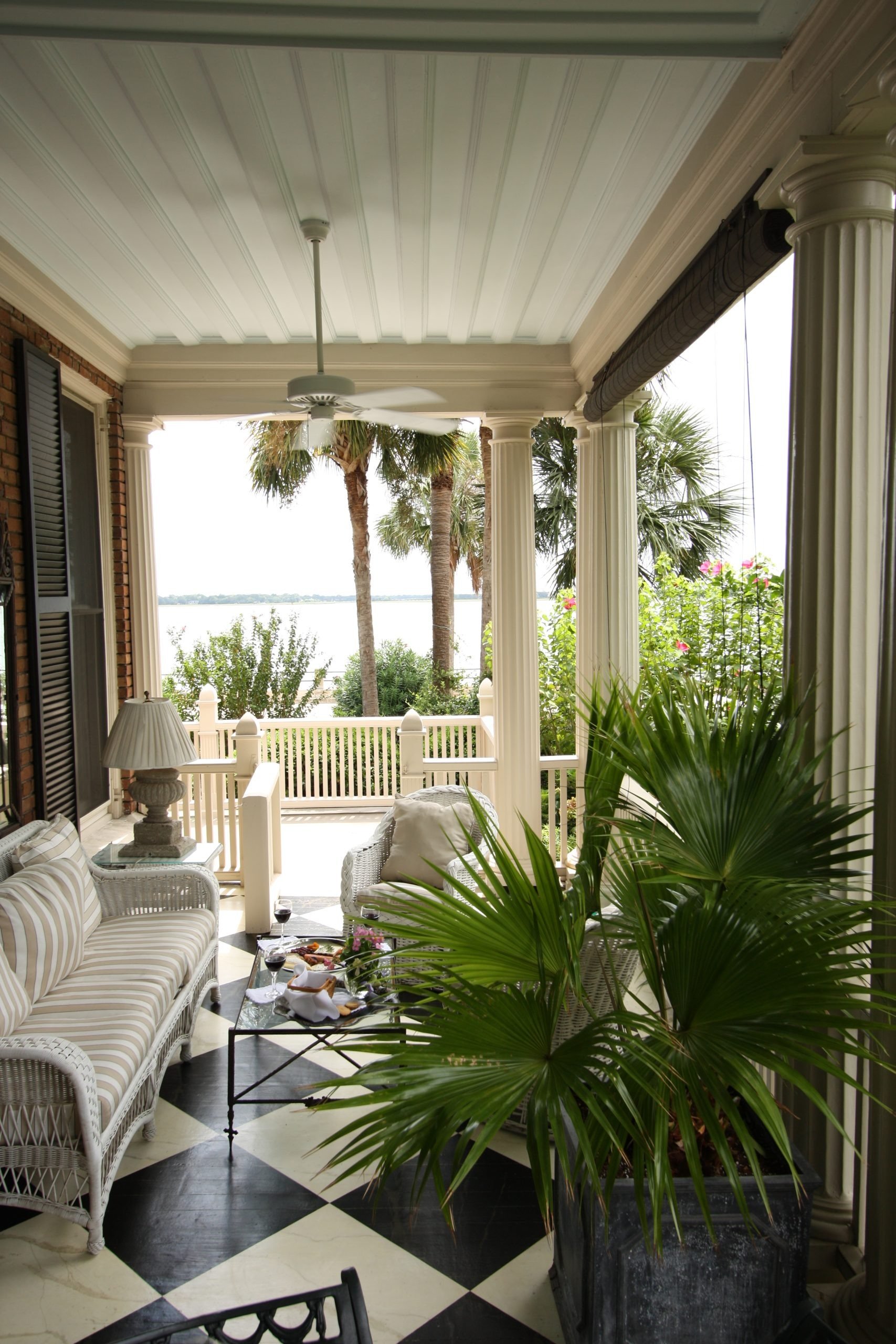
It’s a unique style where the house is positioned with the narrow end facing the street and the length running perpendicular to it. This design, with its wide piazzas and central hallways, was ideal for the hot, humid climate. It promotes air circulation and provides shaded outdoor living spaces.
The bright pastel colors seen on many of Charleston’s historic homes also have Caribbean roots. Stands as a nod to the vibrant palettes of the West Indies. These colors, combined with the lush tropical gardens that often surround these homes, give Charleston a distinct, almost exotic, charm.
Charleston was also home to a significant population of French Huguenots. Many fled Europe in the late 17th and early 18th centuries. These settlers established themselves in what is now known as the French Quarter. The neighborhood still retains much of its original charm and character.
They brought with them elements of French provincial architecture, which are reflected in some of the city’s older buildings. The Huguenot Church, located in the heart of the French Quarter, is a prime example of this influence.
With its Gothic Revival style, the church features pointed arches, ribbed vaults, and flying buttresses. Making it a striking contrast to the predominantly Georgian and Federalist structures in Charleston.
The French Quarter became a hub of cultural and architectural exchange. The influence of the Huguenots mingled with that of other European immigrants, including Germans and Irish. These communities contributed to Charleston’s architectural diversity.
They introduced their building traditions and styles. The result is a neighborhood that, while distinctly Charlestonian. Also reflects a rich tapestry of European influences, seamlessly blending with the city’s broader architectural landscape.
Charleston’s historic homes are more than just beautiful structures. They are a reflection of the city’s complex history and the convergence of cultures that have shaped it. From the Georgian elegance of the early British settlers to the vibrant Caribbean influences. The skilled craftsmanship of African artisans, each element of Charleston’s architecture tells a story of resilience, creativity, and cultural exchange.
As Charleston continues to grow and evolve, its historic homes stand as a reminder. The diverse communities that built this city, each leaving an indelible mark on its architectural legacy. Whether you’re a resident or a visitor, taking the time to explore these homes is like stepping back in time. They offer a glimpse into the lives and stories of those who shaped Charleston into the city it is today.
Handsome Homes
Transforms property buying and selling into a thoughtful, curated, and highly personalized experience, expertly tailored to Charleston’s luxury, historic, and exclusive real estate markets.