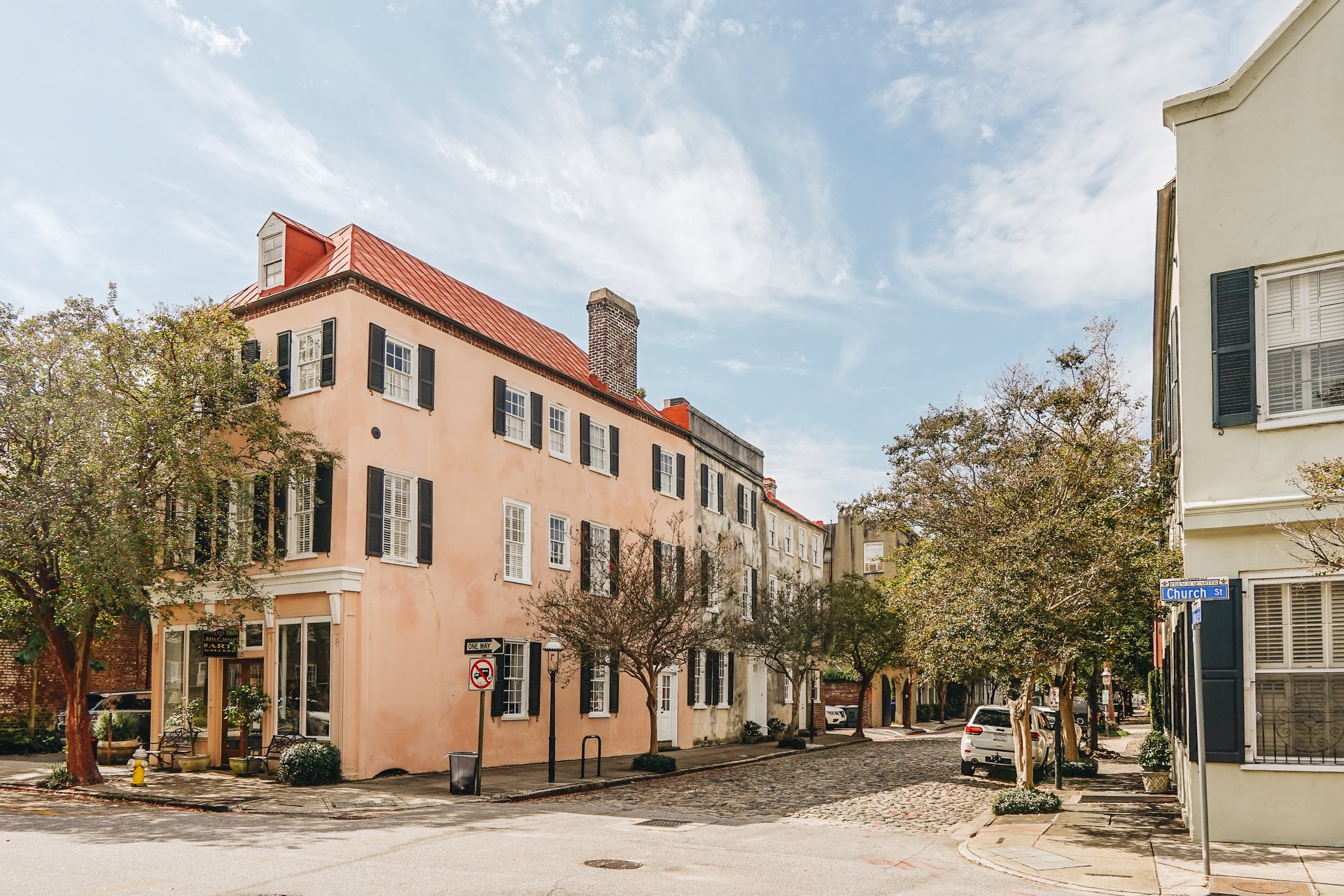
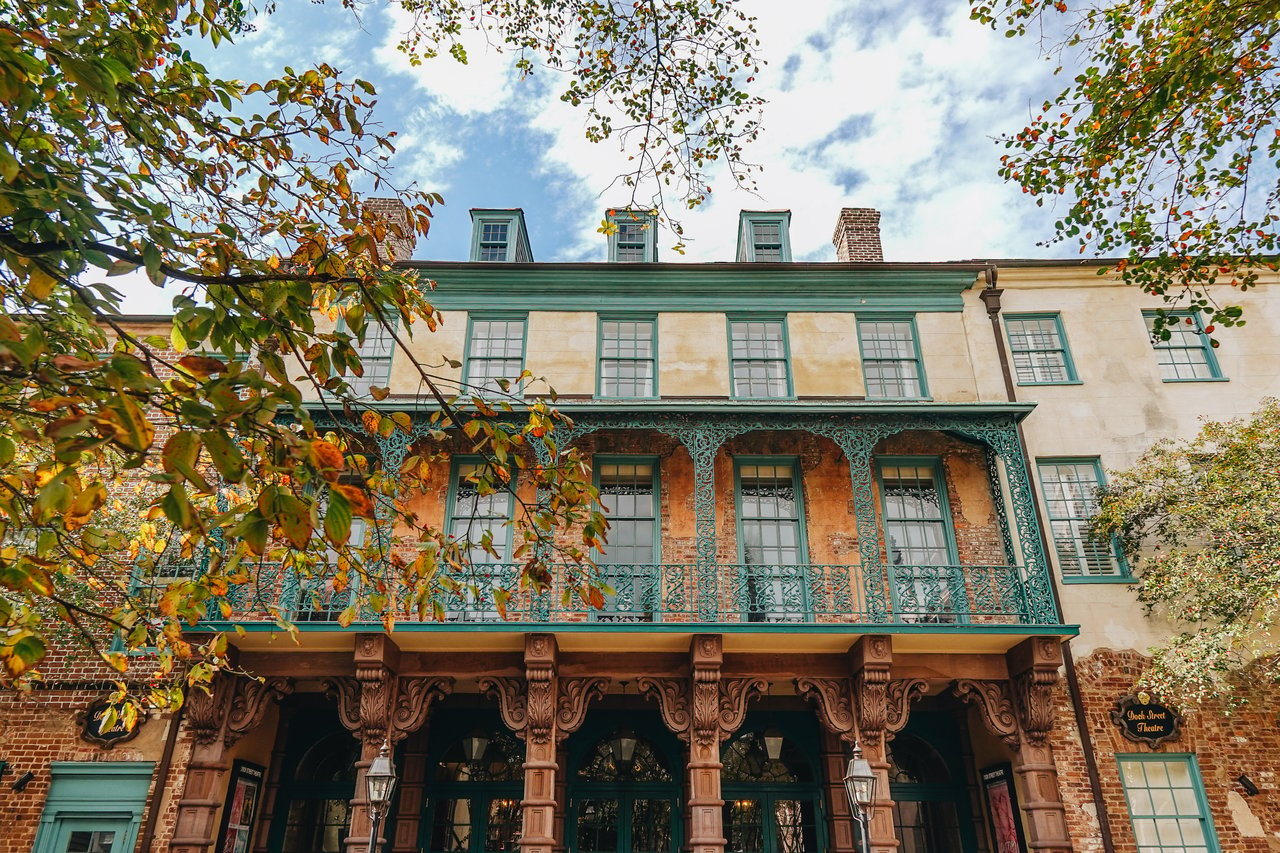
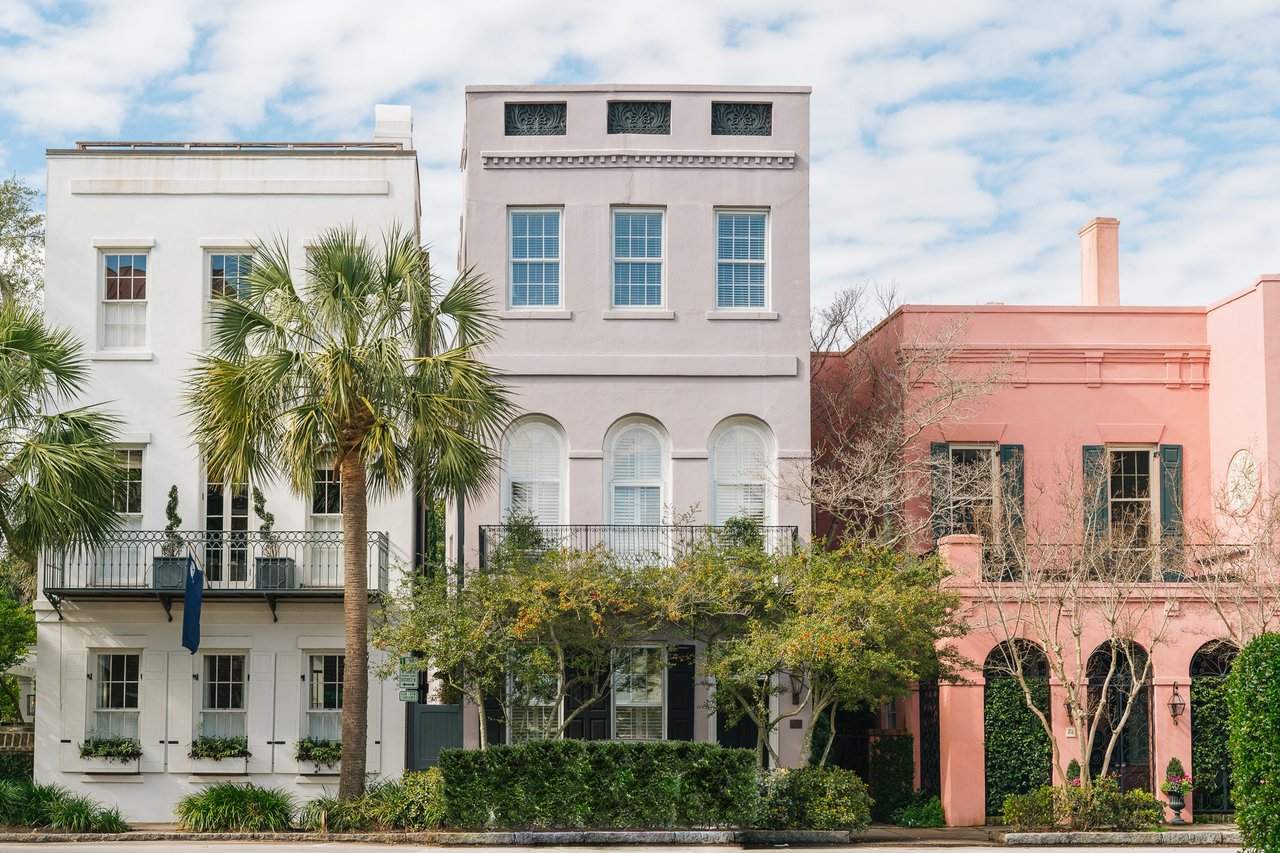
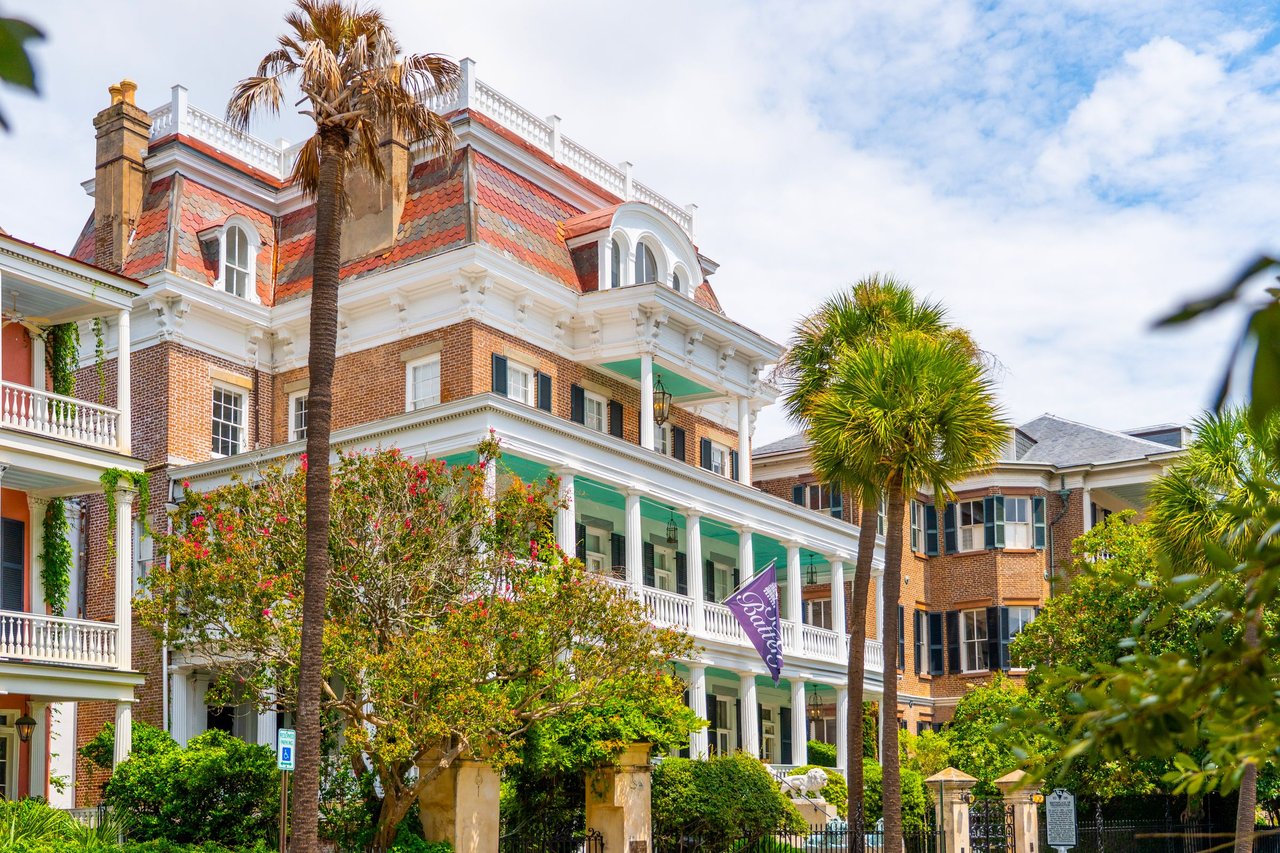
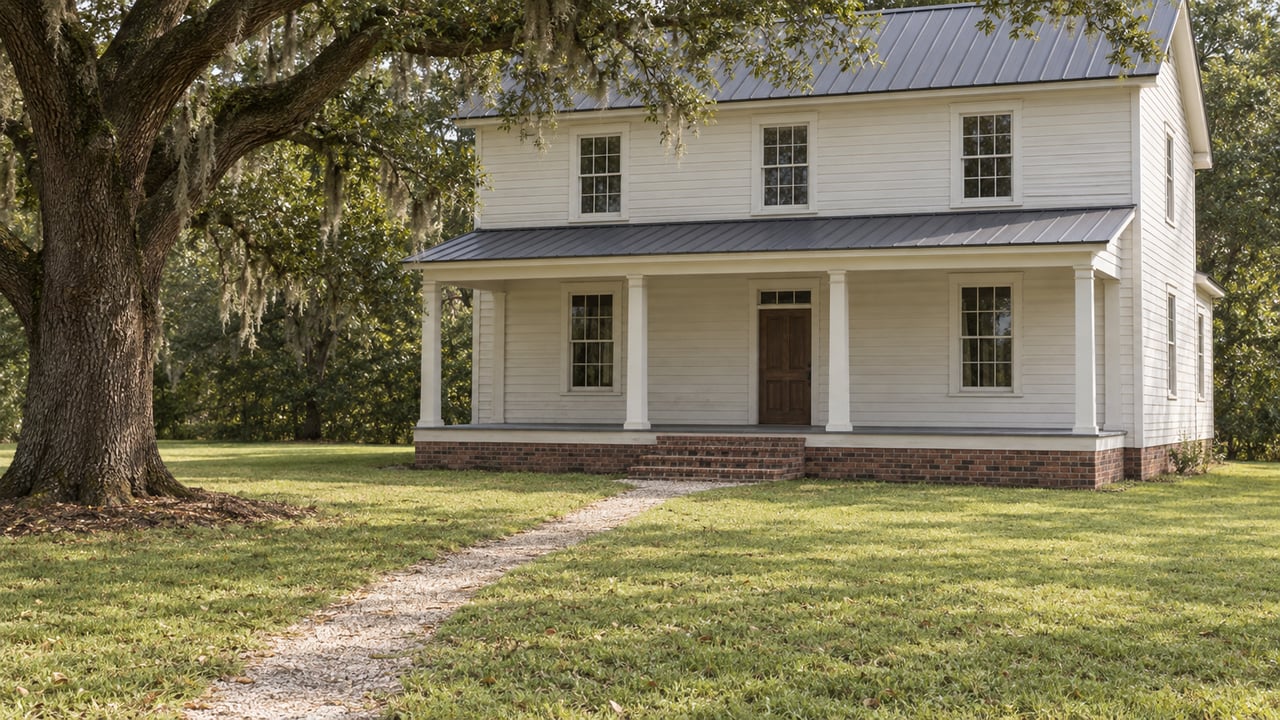
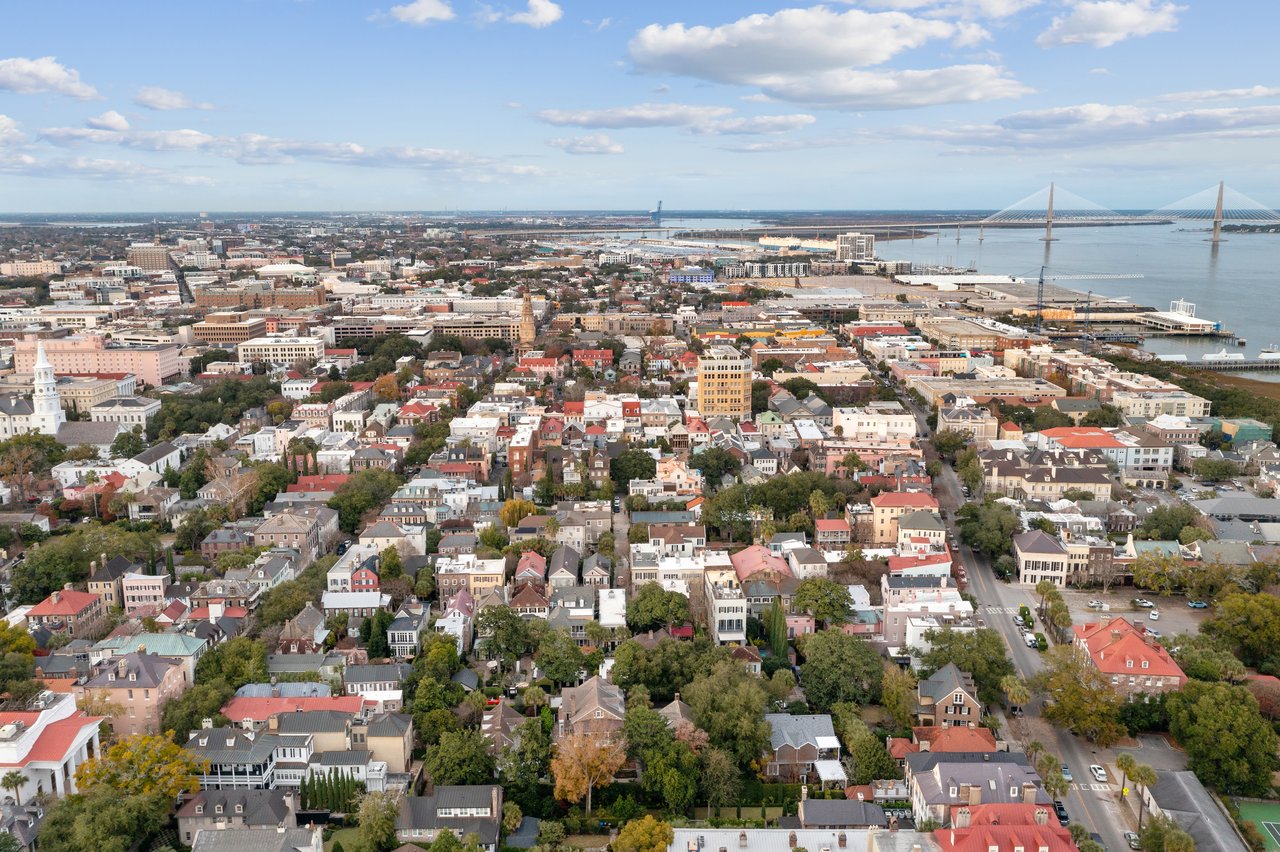
Charleston is known for its rich architectural and cultural history, and the city is deeply committed to preserving that legacy. Because many homes in Charleston are historic, buyers need to carefully plan their upgrades and ensure they preserve the home’s historic integrity. Below, we’ll explore what you should know before purchasing a historic property in Charleston—and why it may be one of the most rewarding investments you can make.
Why Buy a Historic Home in Charleston?
Buying a historic home in Charleston comes with many unique perks. There’s something deeply special about knowing the stories of those who lived in the house before you—and even seeing what the property looked like in the 1800s or earlier. The
South Carolina Room at the Charleston County Public Library houses detailed records on many of these homes, providing a fascinating glimpse into the past for anyone interested in learning more.
In addition to the home’s history, owning a historic property often comes with a strong sense of community. Many neighborhoods take pride in their shared efforts to maintain the area’s character, with neighbors actively participating in preservation initiatives, historic home tours, and local events that celebrate Charleston’s rich legacy.
What to Know Before You Buy?
Before purchasing a historic home in Charleston, it’s essential to do thorough research—not just on the property itself, but also on the regulations that may impact your renovation plans. Homes located within designated
historic districts are subject to strict preservation guidelines, and even seemingly minor exterior changes often require approval.
The
Board of Architectural Review (BAR) is a key resource for understanding what is and isn’t allowed. They oversee changes to
historically significant structures to ensure that any updates remain in line with Charleston’s preservation standards. In addition to BAR, it’s helpful to consult zoning laws, permit requirements, and neighborhood-specific rules early in the process to avoid surprises down the road.
Doing your homework upfront will save time and money—and ensure your restoration efforts align with the city’s long-standing commitment to architectural integrity.
Restoring with Purpose
When restoring a historic home, it’s essential to first check with the
Historic Charleston Foundation to see if there are any preservation easements on the property. These legal agreements often restrict what you can change, especially when it comes to the home’s exterior and architecturally significant features.
A thoughtful restoration strikes a balance between respecting the home’s historic character and meeting the need for modern functionality. To achieve this, it’s essential to work with professionals who specialize in historic preservation. Ensure that your contractors, architects, and interior designers understand how to properly restore a historic property—and know how to preserve original details while incorporating updates that enhance daily living.
Buying a historic home in Charleston can be both a challenge and a deeply rewarding experience—especially if you understand what to expect and approach the process with care. With the right research, planning, and respect for the home’s history, you can preserve a piece of Charleston’s past while creating a space that works for modern living.