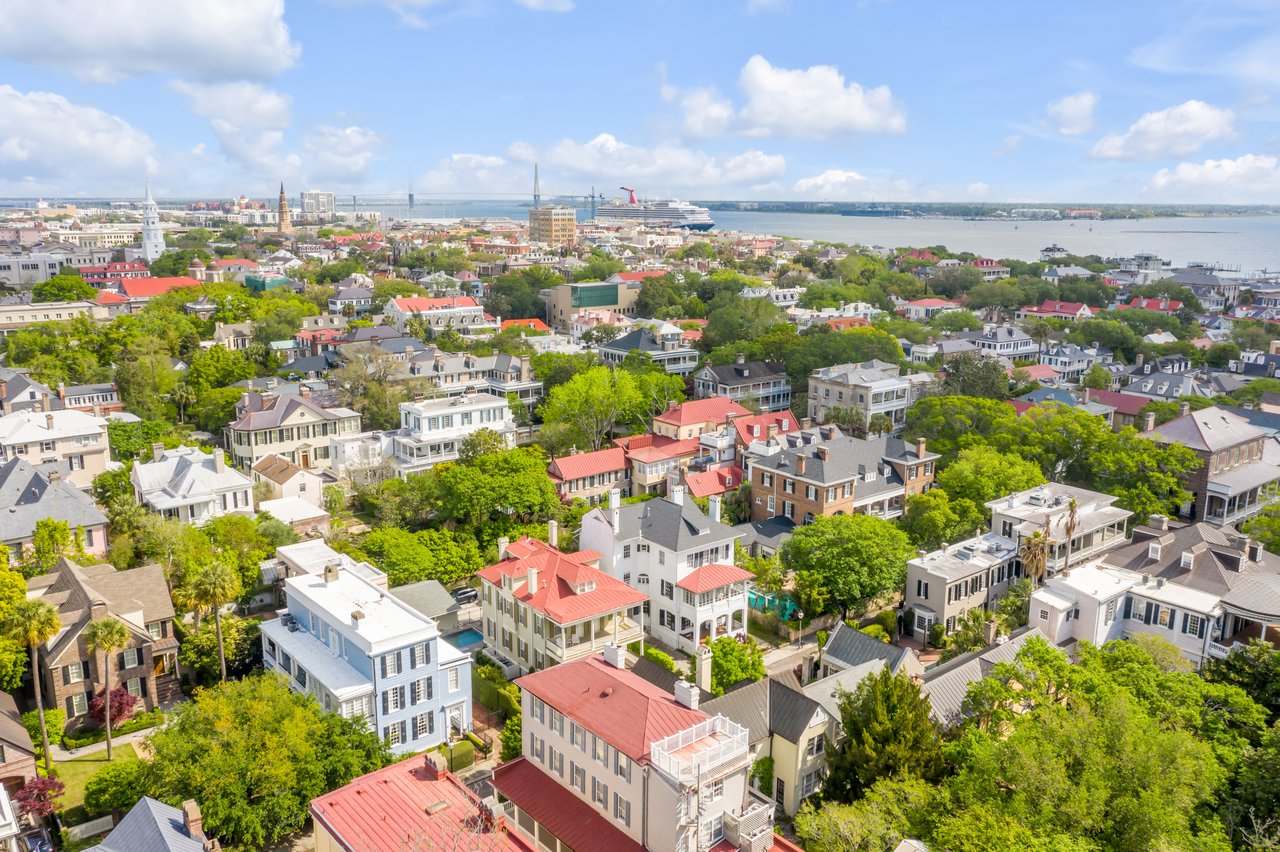
Charleston faces a significant infrastructure shortfall. Traffic congestion has reached unsustainable levels. Traditional four-wheel transportation is increasingly insufficient to meet the city’s needs. The region’s rapid population growth and limited roadway capacity have strained existing infrastructure, leading to longer commute times and reduced quality of life.
Public transit options remain underdeveloped, with limited bus coverage and a lack of alternatives, leaving many residents dependent on cars. At the same time, Charleston has an opportunity to reimagine its transportation network by investing in modern, multimodal solutions.
Key Projects Shaping Mobility
Lowcountry Rapid Transit
The Lowcountry Rapid Transit will encompass a 21.3 Mile area stretching from Ladson to downtown Charleston. The system will include twenty-one hours of weekday service. Additionally, this project will be equipped with advanced technology that allows for stoplight signal priority and Wi-Fi-equipped stations. The project is set to be finished in 2029.
Ashley River Crossing Project
The Ashley River Crossing Project is an exciting development that began construction in January of this year. It aims to improve connectivity and safety for bikes, pedestrians, and vehicles. This bridge will span 4,00 feet across the Ashley River and will provide a pedestrian-only path to and from the peninsula.
Lowcountry Lowline
The Lowcountry Lowline is set to develop the underutilized land under the overpasses from Romney Street to Calhoun. The project will include three districts with their own distinct characteristics. The North Central Corridor under I-26 will consist of pocket parks and provide ample room for potential markets.
The Parks, which span from Romney to Line Streets, will host ample space for gathering while enhancing stormwater management for the surrounding neighborhoods. The Urban Core will emphasize the alleyways and crosswalks in and around the College of Charleston.
As Charleston continues to grow, the decisions made today will shape how residents and visitors experience the city for decades to come. A transit-oriented approach provides a pathway to balance preservation of Charleston’s historic character with the pressing need for modern, efficient transportation.
By embracing these solutions and thoughtful urban planning, the Lowcountry has the chance to become a model for resilient, connected, and livable communities in the Southeast.
Transforms property buying and selling into a thoughtful, curated, and highly personalized experience, expertly tailored to Charleston’s luxury, historic, and exclusive real estate markets.