Sullivans Island vs Isle of Palms for a Beach Home
June 11, 2026
June 11, 2026
Trying to choose between Sullivan’s Island and Isle of Palms for your beach home? It is a smart question, because while these neighboring barrier islands sit close to Charleston, they offer very different ownership experiences. If you want a home that fits your pace, priorities, and long-term plans, it helps to understand how each island actually lives day to day. Let’s dive in.
Sullivan’s Island and Isle of Palms both deliver beach access, coastal beauty, and proximity to Charleston. Still, their planning priorities, amenities, and housing patterns create two very different atmospheres for buyers.
In simple terms, Sullivan’s Island tends to feel more residential, historic, and protected in character. Isle of Palms tends to feel more active, amenity-rich, and resort-oriented. That contrast matters when you are choosing not just a home, but also the rhythm of life around it.
Sullivan’s Island is shaped by a strong focus on neighborhood character, open space, and historic resources. The town describes itself as maintaining a unique single-family character, and most of the island is developed as single-family residential.
That planning approach shows up in the overall feel of the island. You do not find a broad commercial strip here. Instead, there is a single commercial node on Middle Street, which the town describes as a walkable community center with a low-key seaside village feel.
For many buyers, that means Sullivan’s Island feels quieter and more private on an everyday basis. If you picture a beach home as a place to unplug, enjoy a more residential setting, and settle into a small-town atmosphere, this island often stands out.
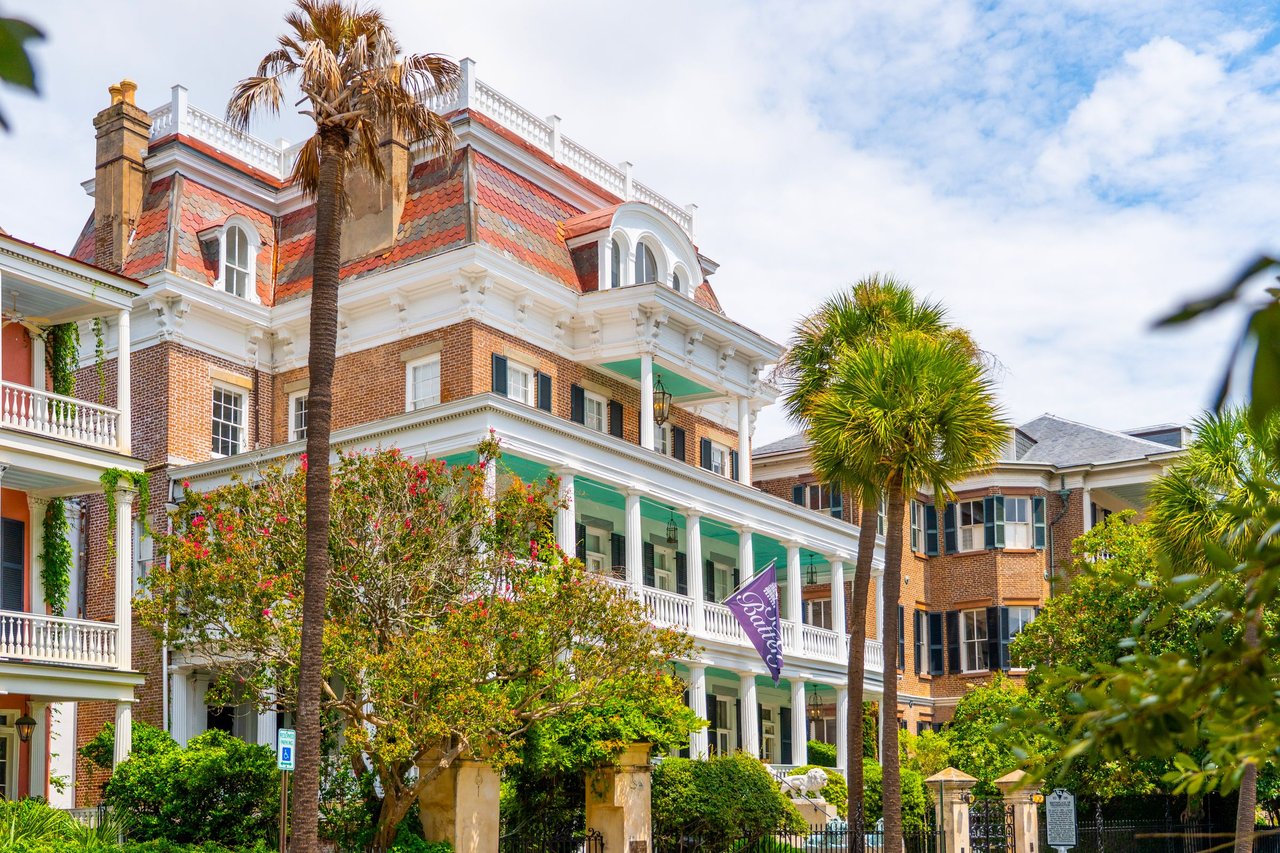
Sullivan’s Island also has a strong preservation presence. The town has four National Register districts, three local historic districts, and a Design Review Board that reviews new construction and renovations in both residential and commercial districts.
For you as a buyer, that can influence both the look of the housing stock and the ownership process. The market tends to feel defined by cottages, historic homes, and custom single-family houses, with preservation and design review playing a meaningful role in how homes evolve over time.
Isle of Palms offers a broader mix of beach infrastructure and activity centers. The city highlights seven miles of beaches, a Front Beach commercial district, a marina, public recreation facilities, and the Wild Dunes resort area.
That combination creates a more convenience-driven and visitor-friendly environment. Even though commercial acreage is still limited overall, Isle of Palms clearly has more built-out amenity zones than Sullivan’s Island.
If you want your beach home to come with easier access to restaurants, shops, recreational options, and resort-style features, Isle of Palms may feel like a better fit. It often appeals to buyers who want a more active island experience without giving up the beach setting.
The Front Beach district runs along Ocean Boulevard from 10th to 14th Avenues and includes public restrooms, ample parking, restaurants, and shops. The city also highlights the marina and public dock, along with family, senior, and children’s activities organized through the recreation department and Wild Dunes.
Wild Dunes adds another layer to the ownership experience. According to the resort, it offers golf, spa access, pools, recreational programming, seven year-round restaurants, and four seasonal restaurants. For some buyers, that resort ecosystem is a major advantage.
Beach day logistics can shape how often you actually enjoy your home. This is one of the clearest differences between the two islands.
Sullivan’s Island describes about four miles of public beaches with 30 access points. The town also maintains a beach environment guided by preservation-focused rules, including bans on alcohol on streets, boardwalks, and beaches, bans on commercial activity on the beach, restrictions on motorized vehicles on beach paths and beaches, and smoking and plastics bans.
Those rules support a quieter, more controlled beach setting. The island’s nature trail, which links the beach, Fort Moultrie, and the Charleston Light, adds to that history-forward and low-key experience.
Isle of Palms, by comparison, says it has more than 50 beach access paths, beach parking lots, and on-street parking in the beach district. The city highlights swimming, lounging, fishing, biking, and kayaking, while also clearly prohibiting driving on the beach or on beach access paths.
For you, the practical difference often comes down to convenience and pace. Sullivan’s Island may feel more restrained and residential, while Isle of Palms may feel easier for guests and better suited to a more active beach routine.
If walkable dining and a compact village atmosphere matter most, Sullivan’s Island has a distinct appeal. Its commercial activity is concentrated in the small Middle Street district, where the town points to award-winning restaurants and a walkable community setting.
That means your options are curated rather than extensive. Many buyers see that as part of the charm. The island feels less commercial and more intentionally scaled.
Isle of Palms offers more concentrated convenience in its Front Beach district and resort areas. You have restaurants, shops, public facilities, and structured activity centers in a way that feels more accessible for everyday use and visiting friends or family.
If you want more nearby options and easier built-in entertainment, Isle of Palms usually has the edge. If you prefer a more understated setting, Sullivan’s Island often wins on character.
The housing mix can be a deciding factor, especially if you already know the kind of property you want. Here, the islands diverge again.
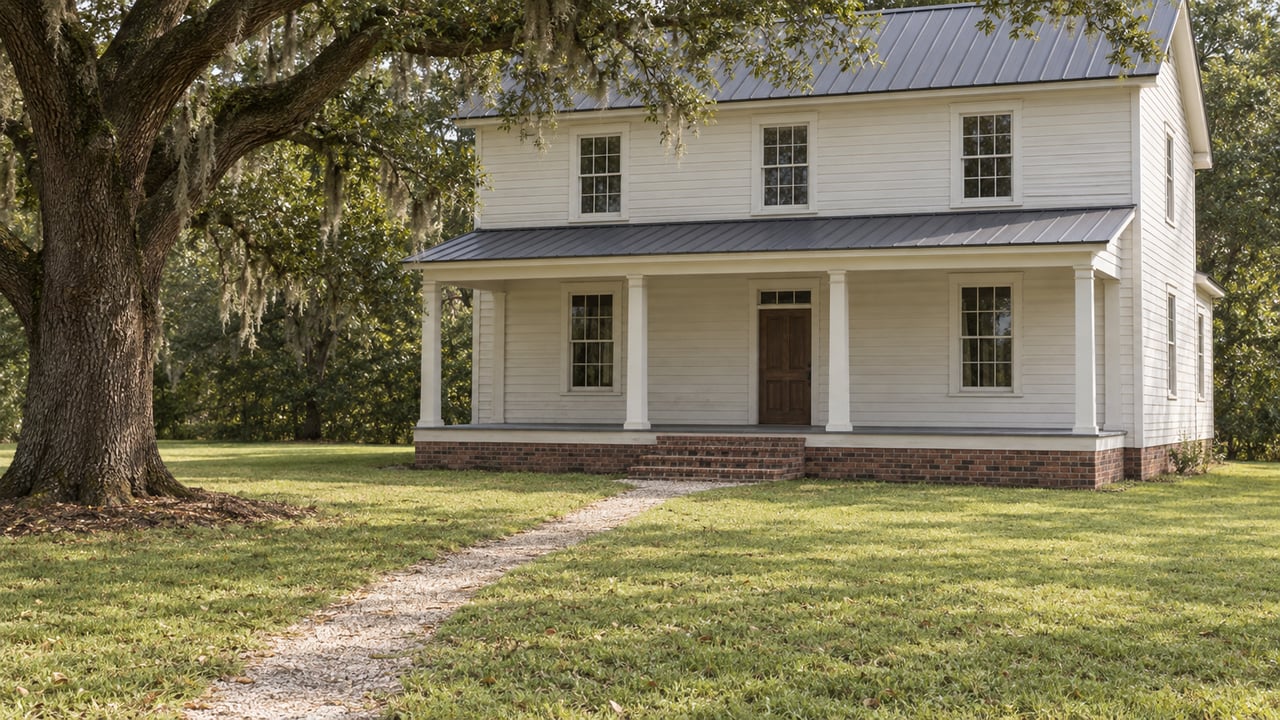
Sullivan’s Island is more strongly associated with single-family homes. Because the island is managed to maintain residential character, the market tends to align with buyers seeking cottages, historic residences, and custom single-family homes in a setting where architecture and preservation matter.
Isle of Palms has a more varied housing profile. The city’s planning materials note a wide variety of housing types, including low- to high-density single-family detached homes, townhouses, and low-rise and high-rise condominium units.
That wider range can open more paths depending on how you plan to use the property. If you want flexibility in product type or prefer a resort-style ownership experience, Isle of Palms offers more variety.
The city’s comprehensive plan also notes that many residential units in Wild Dunes are used as seasonal rental properties, and that the largest multi-unit complexes are found in Front Beach or Wild Dunes.
That does not define every ownership experience on Isle of Palms, but it does help explain why the island can feel more mixed in use. For some buyers, that is a positive because it supports a more dynamic and service-oriented environment.
The best choice depends on how you want your beach home to function. Neither island is better across the board. The right answer is the one that fits your lifestyle, preferences, and property goals.
You may prefer Sullivan’s Island if you want:
You may prefer Isle of Palms if you want:
If you are narrowing your search, it helps to think beyond the listing itself. Ask how you want the island to feel when you arrive on a Friday evening, how easily you want guests to navigate the beach, and whether you want your surroundings to lean more village-like or more resort-oriented.
For some buyers, Sullivan’s Island offers the sense of retreat they have in mind from the start. For others, Isle of Palms delivers the ease, amenities, and housing options that make beach ownership more practical.
In a market like coastal Charleston, those nuances matter. A home can be beautiful on paper but still feel mismatched if the island’s daily rhythm does not suit you.
If you are weighing Sullivan’s Island against Isle of Palms, Handsome Properties can help you compare the ownership experience, property types, and lifestyle fit so you can buy with confidence.

Handsome Homes
Transforms property buying and selling into a thoughtful, curated, and highly personalized experience, expertly tailored to Charleston’s luxury, historic, and exclusive real estate markets.