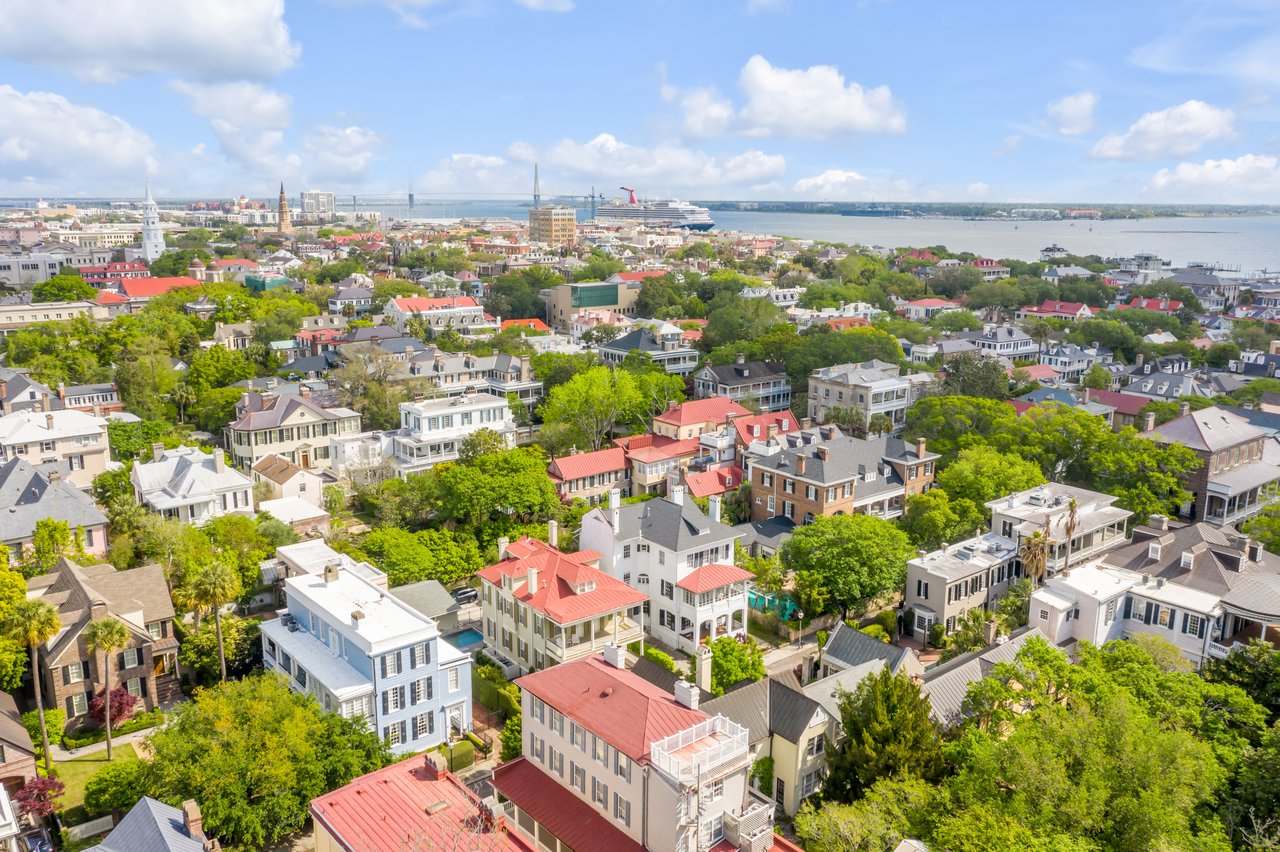
It is a well-known fact that Charleston was a key city in early American history. The port city was crucial in the cotton trade, allowing farmers to ship crops to distant lands, and the swampy land that surrounded the city was ideal for the harvest of rice.
Enslaved individuals, mostly from Barbados and West Africa, were brought into Charleston by the thousands, and many remained in the area, working on local plantations along the Stono and Ashley rivers until their emancipation in 1863.
Tobias Scott, born into enslavement on James Island, was able to purchase his freedom by making fans many years before the Civil War. Tobias married Christiana Rivers in 1848, who was another freed slave from James Island. Wasting no time, they built a home on Water Street in downtown Charleston and started a family.
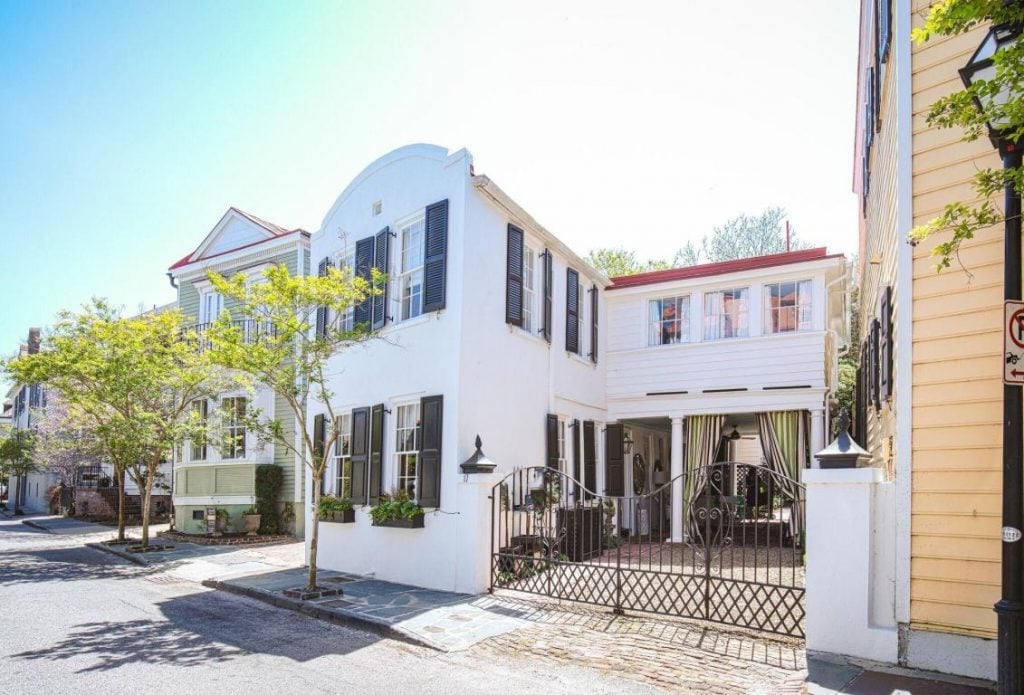
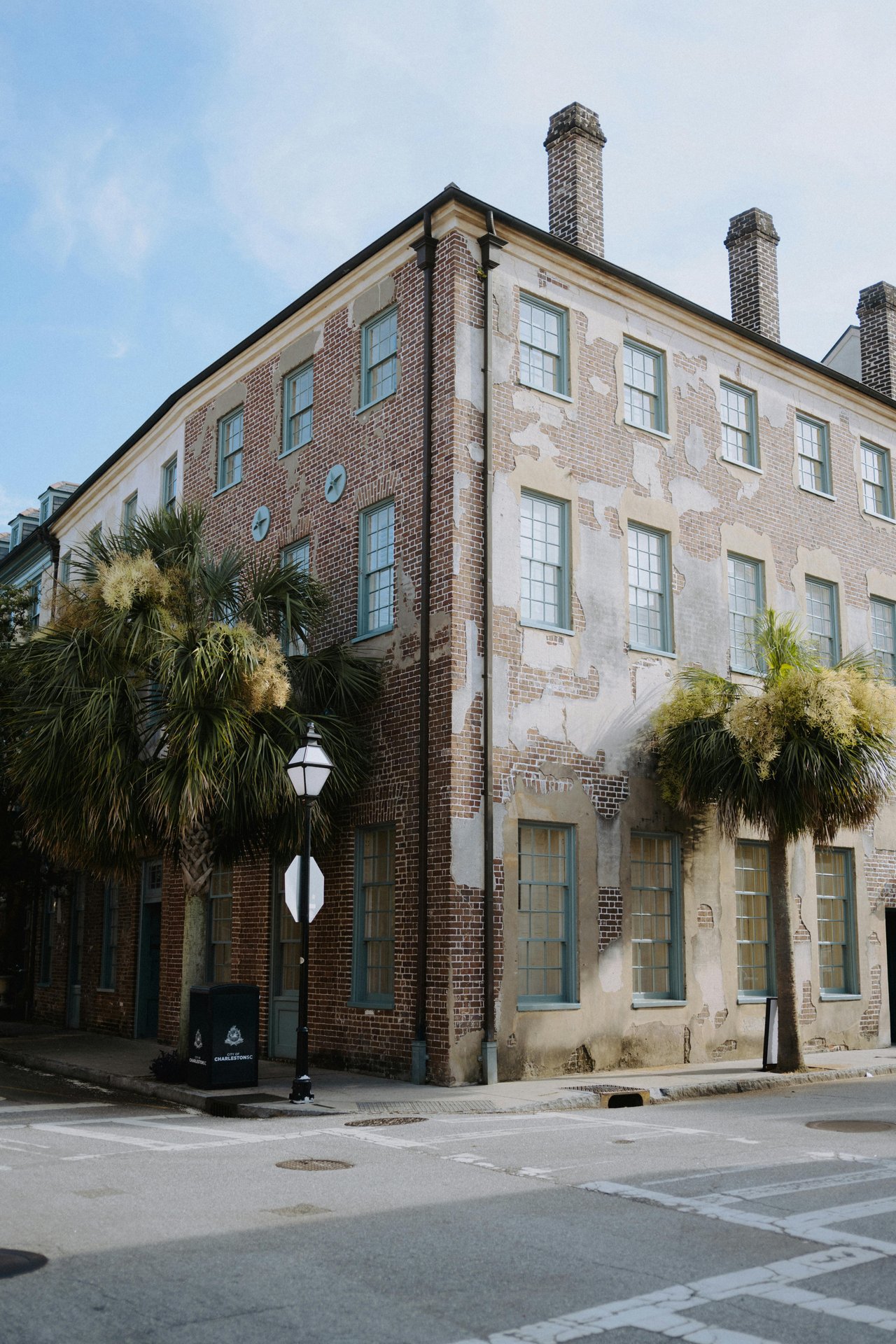
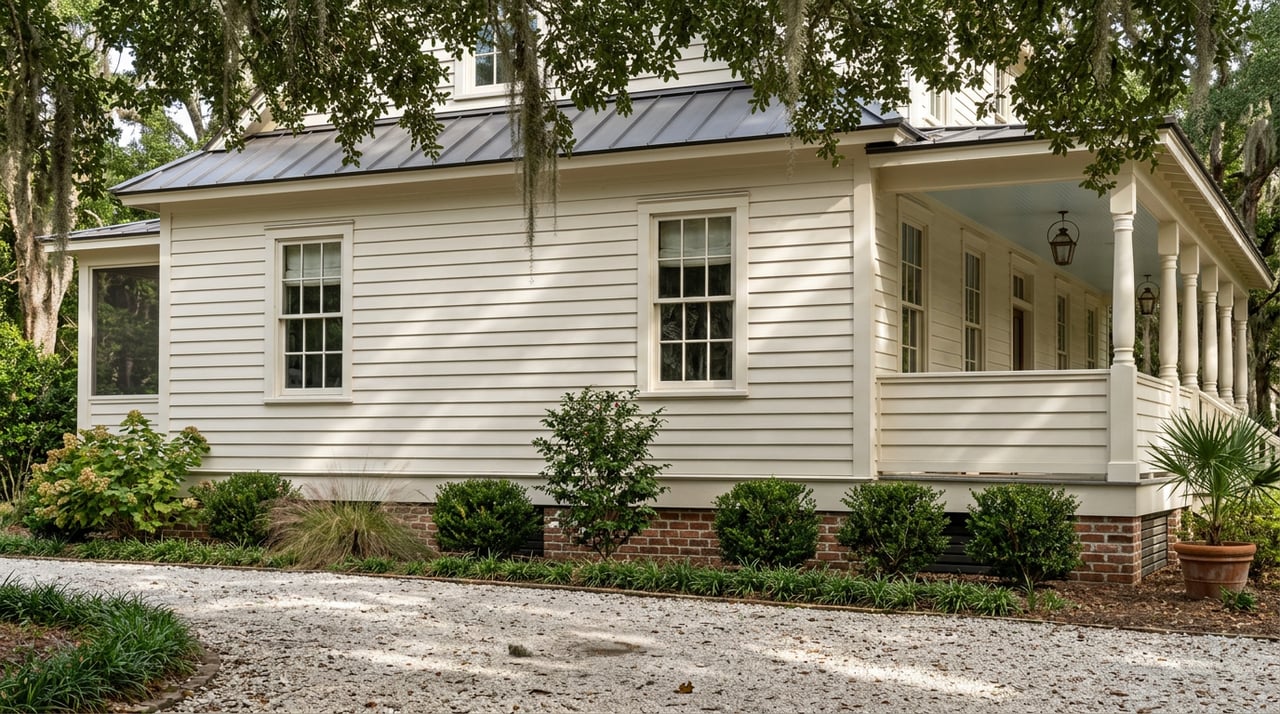
The house, consisting of the main residence, kitchen, and carriage houses, still stands today as it did over 170 years ago. Beautifully updated and restored, this home of 3,328 sq ft features 5 beds, 4 full baths and 2 half baths.
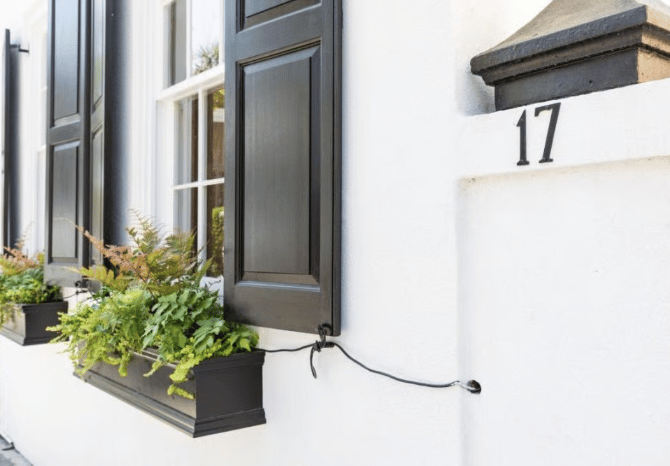
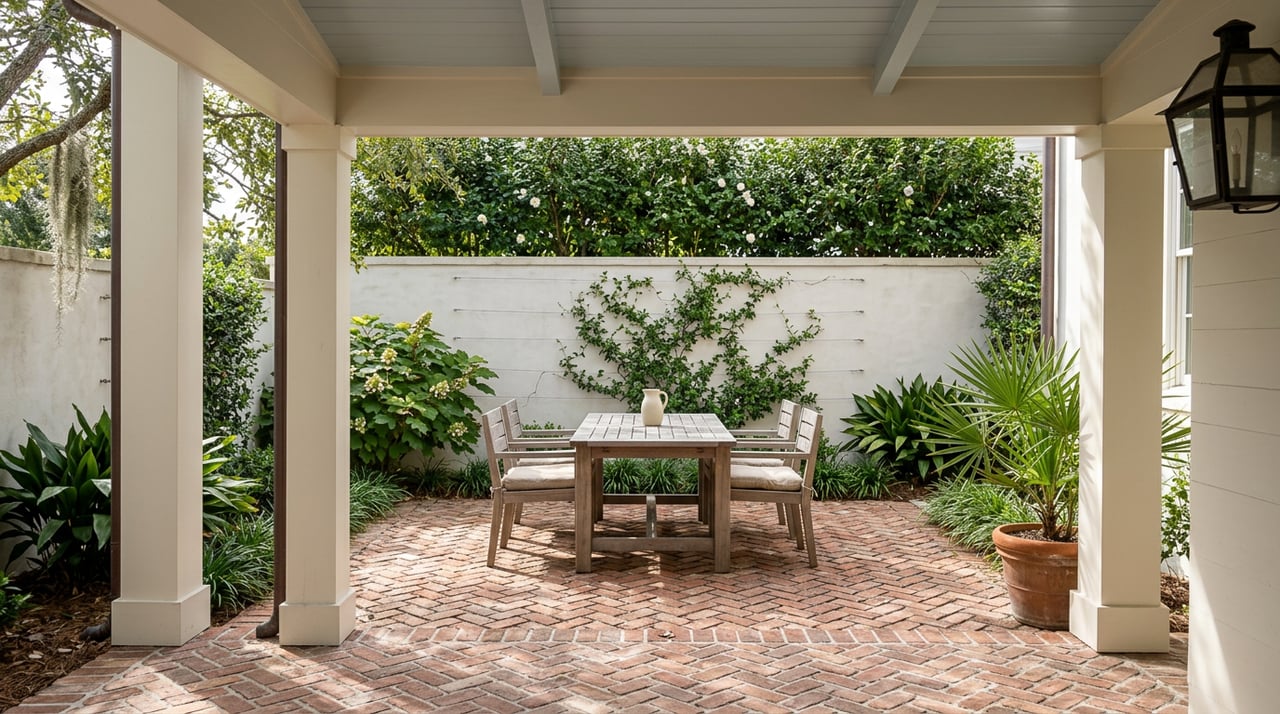
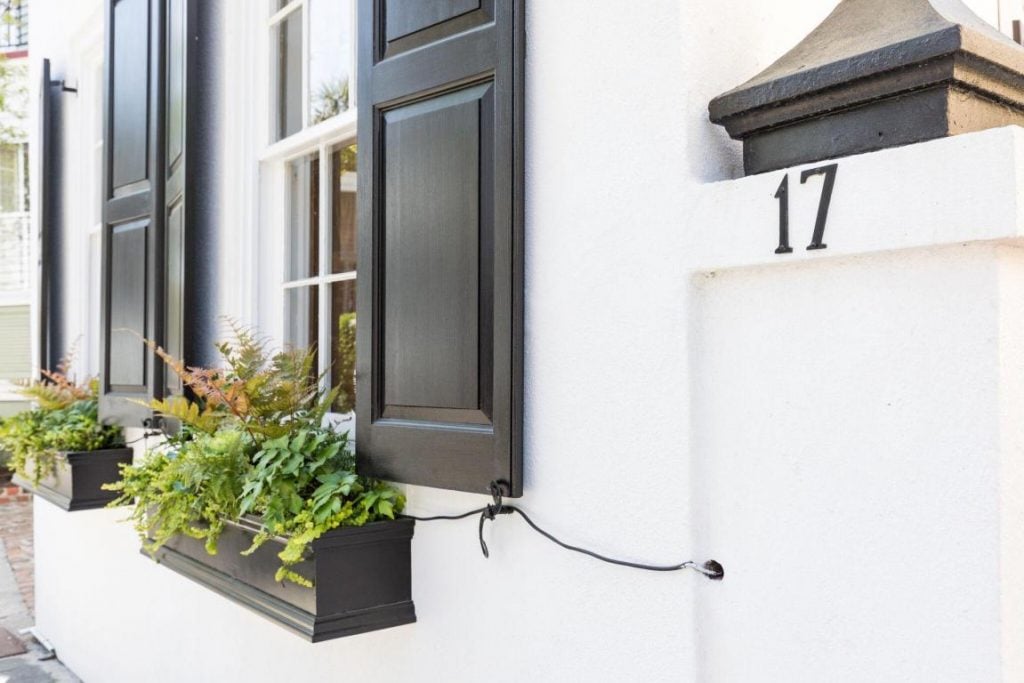
A courtyard-style garden separates the three "17 Water Street, Charleston" houses, allowing residents to take in ocean breezes in complete privacy. Off-street parking and a gated driveway are added bonuses of this one-of-a-kind Charleston property. Owners of this historically important property can rent out the carriage and kitchen houses for 30 days or more, and all three houses feature laundry rooms.
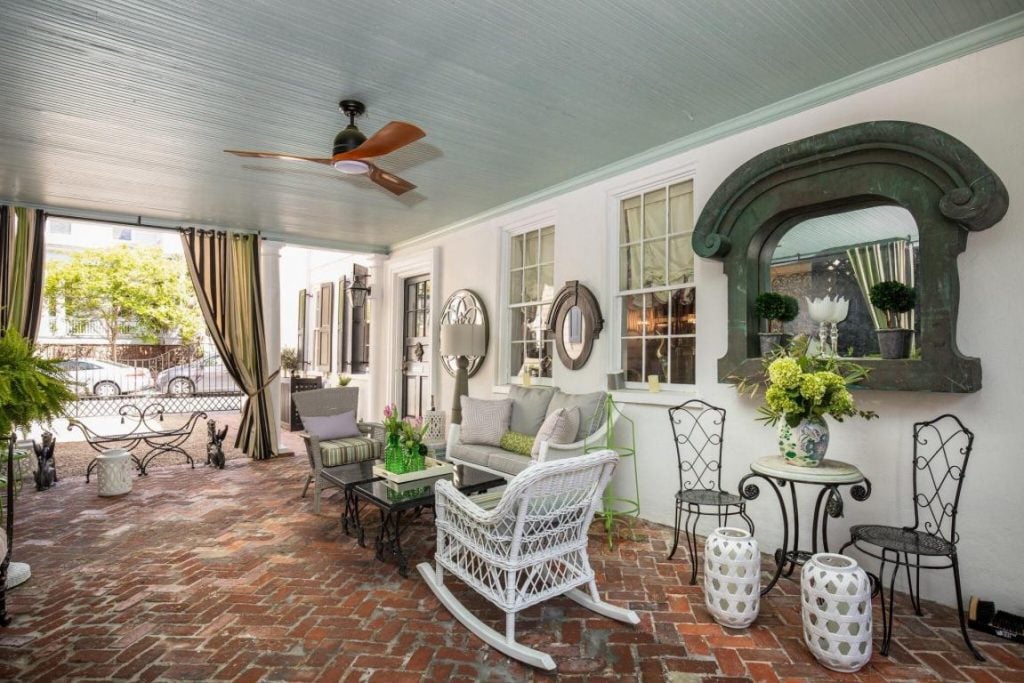
A part of the South of Broad neighborhood, this property sits among the best of Charleston’s fine dining, shops, and historic attractions. This may be why famous actress Rachel McAdams chose to live here while filming “The Notebook” in 2004.
The amazing story of two freed slaves who settled at 17 and 17 ½ Water, Tobias and Christiana Scott, continues to captivate historic researchers today. This house of immense historical importance has been beautifully restored and modernized, paying tribute to the Scott family and their story of freedom.