Mount Pleasant Waterfront And Inland Living Compared
April 16, 2026
April 16, 2026
If you are deciding between waterfront and inland living in Mount Pleasant, the choice is rarely just about price. It is about how you want to spend your days, how much complexity you are comfortable taking on, and what kind of home best fits your long-term goals. In a market where listing prices can range from the mid-$600,000s to the high multi-millions, understanding the trade-offs matters. Let’s dive in.
In Mount Pleasant, waterfront does not only mean oceanfront. The town’s waterfront identity is centered around places like Shem Creek, Charleston Harbor, the Old Village, and tidal marsh areas, where homes may sit on deep water, along a creek, or beside marsh frontage rather than directly on a beach. According to the Town of Mount Pleasant’s planning guidance for Shem Creek and the Old Village area, these areas are closely tied to public waterfront access, fishing docks, restaurants, harbor edges, and marshland character.
That distinction matters because two homes can both feel “water-oriented” while offering very different ownership experiences. One property may have a private dock and direct boating access, while another may simply sit near the creek or enjoy marsh views without direct frontage. In Mount Pleasant, that difference often drives both price and lifestyle.
Waterfront living in Mount Pleasant tends to be about access, scenery, and scarcity. Buyers are often drawn to harbor views, dock access, boat lifts, marsh vistas, and the ability to get out on the water quickly from places like Shem Creek or the Wando River. Current listing examples show this clearly, from deepwater homes in Old Village to estate-style properties in Dunes West with private docks and direct river access.
There is also a strong sense of place in these areas. The Town’s recent work to preserve the historic Shem Creek shrimp docks and working waterfront reflects how maritime activity remains part of Mount Pleasant’s identity, not just its scenery. For many buyers, that living connection to the water is the main draw.
If waterfront living is high on your list, you may be prioritizing:
These are lifestyle advantages that inland homes usually cannot replicate in the same way. Waterfront often feels more curated and more location-specific, especially in older or historically significant parts of town.
The trade-off is that waterfront ownership tends to come with more moving parts. Properties in FEMA Special Flood Hazard Areas, including Zones AE and VE, fall under local flood-protection programs, and Mount Pleasant participates in the National Flood Insurance Program. The town also notes that its Class 6 CRS rating can reduce annual flood insurance premiums by 20%, which can be meaningful for owners in flood-prone locations.
Some waterfront areas also bring design restrictions. In the Old Village Historic District, exterior changes and new construction are reviewed for compatibility with the surrounding streetscape under the town’s Old Village Historic District guidelines. If you love historic character, that review process may feel like a benefit. If you want maximum flexibility, it may feel more limiting.
Inland Mount Pleasant usually offers a different kind of value. Rather than paying a premium for direct frontage or dockability, you are often buying easier day-to-day living, neighborhood amenities, and more predictable maintenance. Communities like Park West, Carolina Park, Charleston National, and parts of Dunes West tend to appeal to buyers who want convenience and a more suburban layout.
These neighborhoods often emphasize pools, trails, club amenities, shopping access, and flexible home designs. Carolina Park is presented with access to nearby parks and schools, while Park West listings highlight connectivity to the Mount Pleasant Way trail, plus pools, tennis courts, and walking paths. In Dunes West, many listings focus on golf, tennis, pools, and clubhouse-style amenities.
For many buyers, inland neighborhoods are appealing because they often provide:
This can be especially helpful if you are balancing work, school schedules, commuting, or frequent travel. Inland living may not come with a private dock, but it often delivers more convenience per dollar.
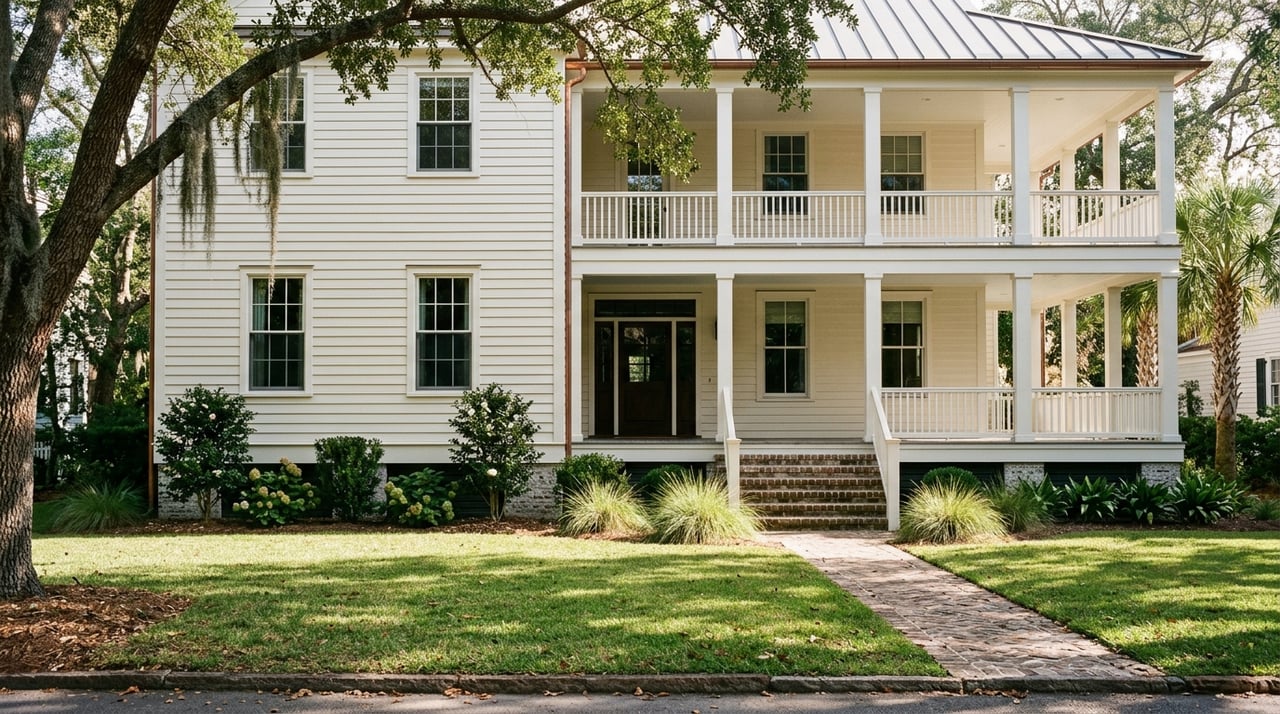
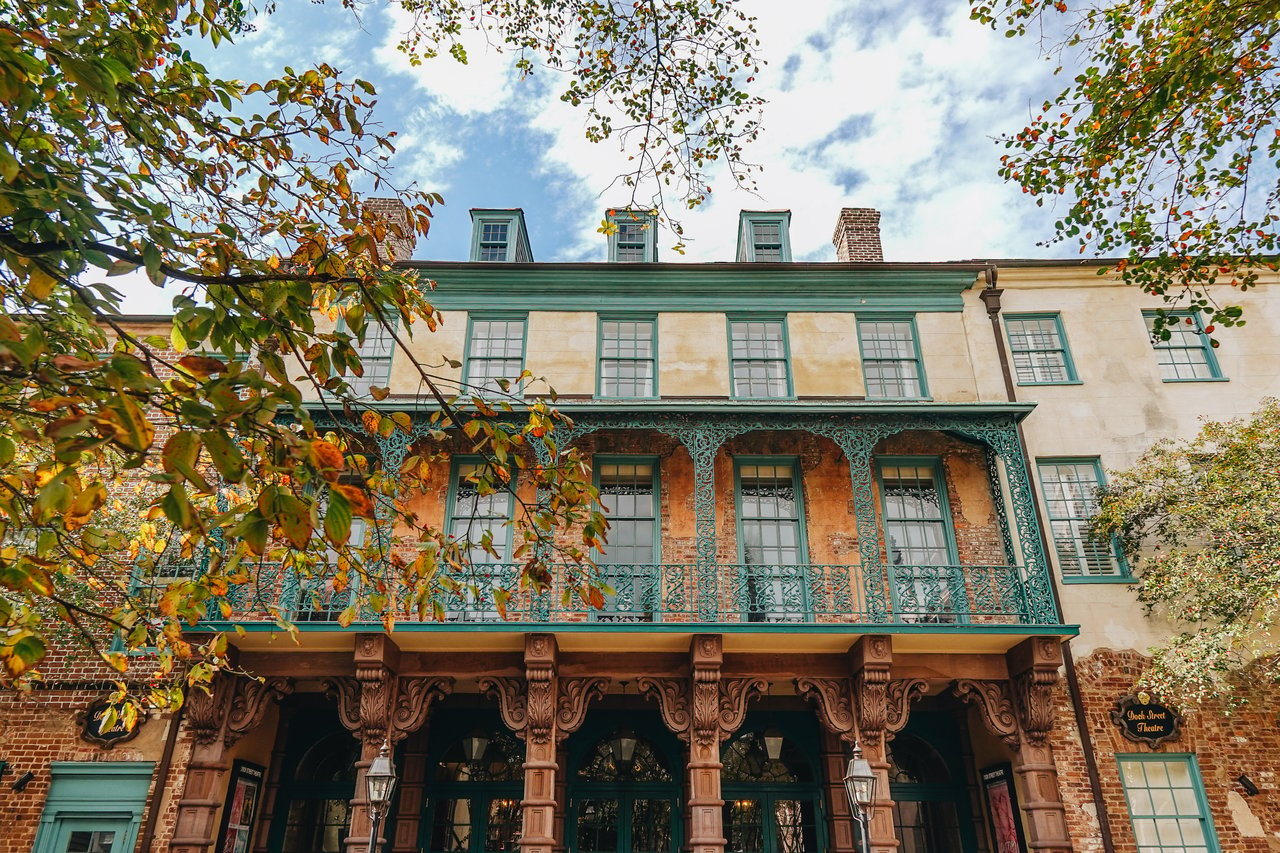
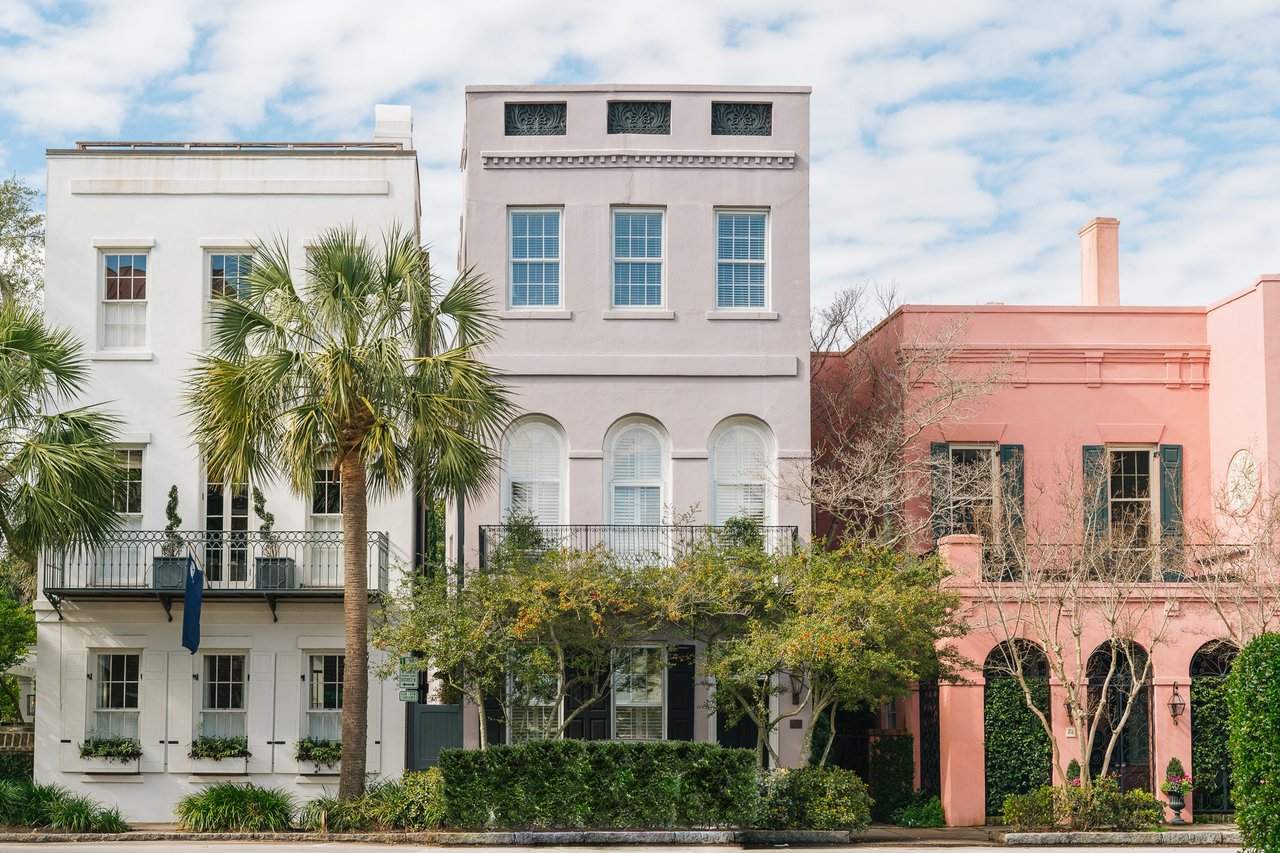
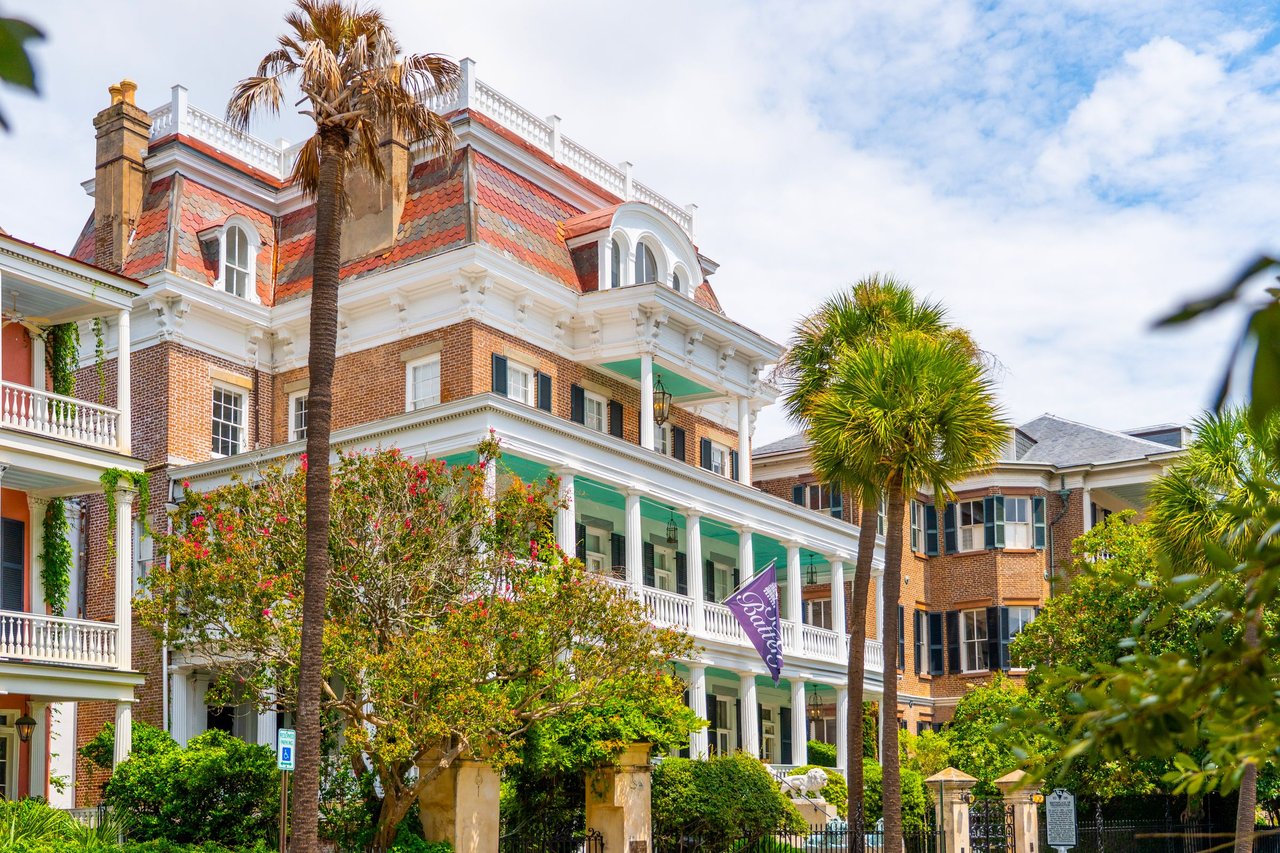
One of the clearest differences between waterfront and inland living in Mount Pleasant is the architecture. In waterfront and historic areas, homes are often shaped by the site itself. In Old Village, the town describes a harbor-side setting with varied historic architecture and homes positioned along the bluff for water views, all within a framework that encourages compatible design.
In current listings, that often translates to elevated Lowcountry homes, Charleston-inspired houses, porches, carriage houses, elevators, and site plans designed around views and docks. I'On offers an interesting middle ground, with Lowcountry architecture, tree-lined streets, lakes and canals, wide sidewalks, and waterfront-oriented amenities in a more planned setting.
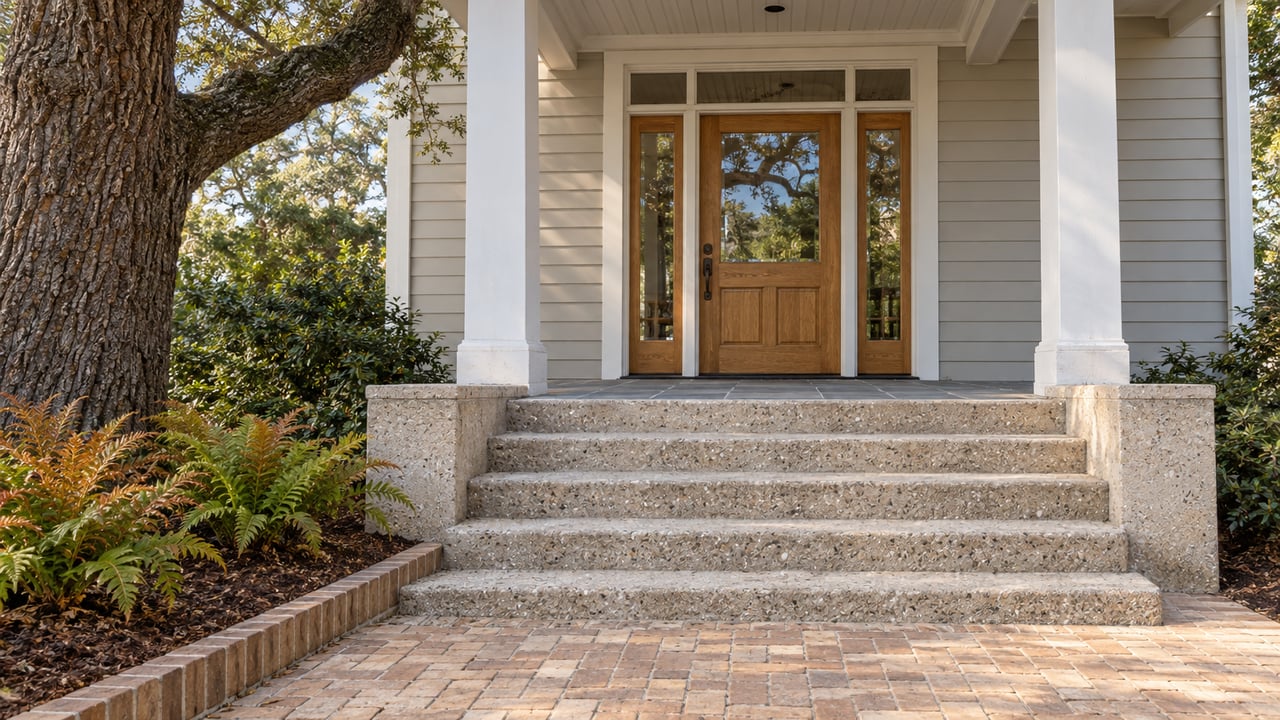
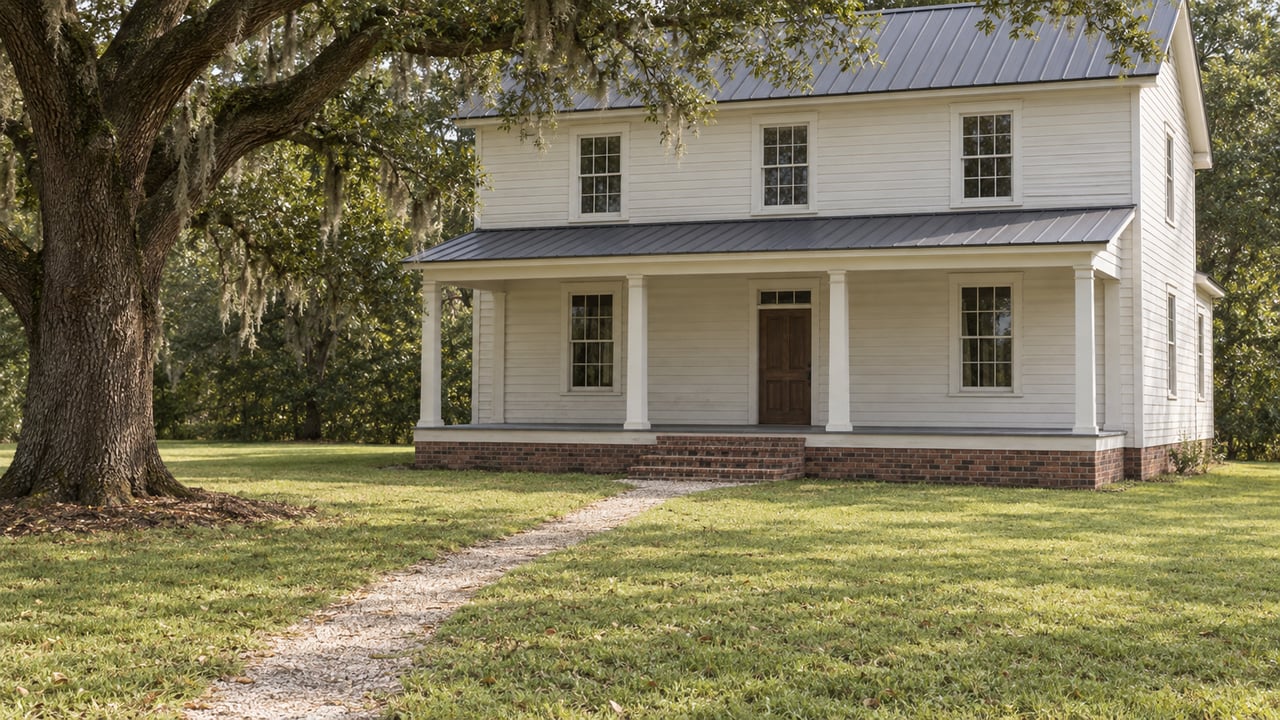
Inland neighborhoods usually lean more traditional and more standardized in layout. Listings in Park West and Dunes West show the common pattern of two-story homes, open living spaces, screened porches, townhomes, and amenity-oriented community planning. If you want flexible square footage and a layout that works well for everyday routines, inland options may be easier to fit into your life.
Price is often where the waterfront versus inland decision becomes clearest. As of March and April 2026, Mount Pleasant’s broad median listing price is about $927,000, but neighborhood pricing varies widely.
At the more accessible end of the current sample, Snee Farms sits around $640,000, while Park West and Dunes West are around $709,000. Charleston National is about $850,000. Moving higher, Rivertowne ranges from roughly $995,000 to $1.04 million, Carolina Park is around $1.14 million, and Hamlin Plantation is around $1.395 million. Premium village and historic-waterfront areas rise sharply from there, with I'On around $2.55 million and Old Village around $3.7 million, based on current Mount Pleasant neighborhood market data.
The ultra-premium end shows how strongly direct water access affects value. Current examples include a Dunes West deepwater estate listed at $6.999 million, an Old Village waterfront lot listed at $6.695 million, and a nearby Old Village deepwater home recently sold for $6.575 million, according to active and recent listing examples.
If your priority is maximizing space, amenities, and everyday ease, inland Mount Pleasant usually stretches your budget further. In many inland communities, your money is going toward newer construction, more predictable lot layouts, neighborhood amenities, and practical square footage.
If your priority is scarcity, views, and access to the water, waterfront may still be the better fit, but you should expect a notable premium. In Mount Pleasant, even marsh-view properties can carry higher pricing, and truly dockable homes tend to command another level of value. The closer a property gets to direct, usable waterfront access, the more selective and expensive the inventory usually becomes.
The best choice depends on how you define value in your day-to-day life. Waterfront living tends to reward buyers who place a premium on boating, views, architectural uniqueness, and a more distinctive setting. Inland living often suits buyers who want flexibility, amenities, easier upkeep, and a more efficient purchase price.
A simple way to frame the decision is this:
That middle path is worth serious consideration in Mount Pleasant. You may be able to enjoy proximity to Shem Creek, marinas, waterfront dining, and marsh views without taking on the full cost or complexity of owning the waterline itself.
Mount Pleasant is not a one-note market. A deepwater estate in Old Village, a marshfront property near the harbor, and a newer inland home in Carolina Park can all serve very different lifestyles, even though they share the same town address. The right decision comes from matching the property type to how you actually want to live, not just what looks best on paper.
If you want help comparing waterfront, near-water, and inland options in Mount Pleasant with a sharper eye on architecture, pricing, flood considerations, and long-term fit, the team at Handsome Properties can guide you through the details with the local perspective this market deserves.

Handsome Homes
Transforms property buying and selling into a thoughtful, curated, and highly personalized experience, expertly tailored to Charleston’s luxury, historic, and exclusive real estate markets.