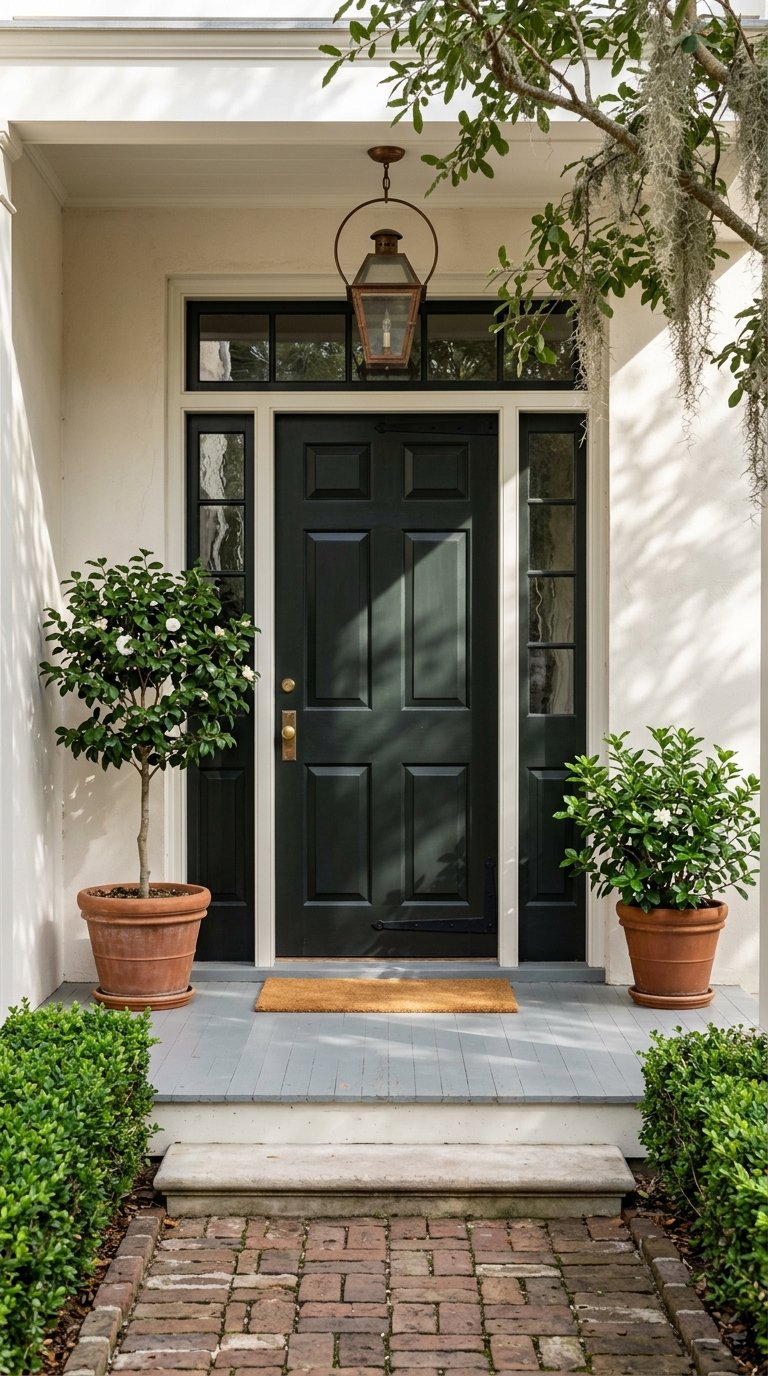
Preparing Your Historic Downtown Charleston Home To Sell
April 9, 2026
April 9, 2026
Selling a historic Downtown Charleston home is rarely about making it look newer. In this market, buyers often respond to authenticity, craftsmanship, and documented care just as much as they do to layout or square footage. If you want to position your home well, you need a strategy that respects its age, its setting, and the rules that shape work in Charleston’s historic core. Let’s dive in.
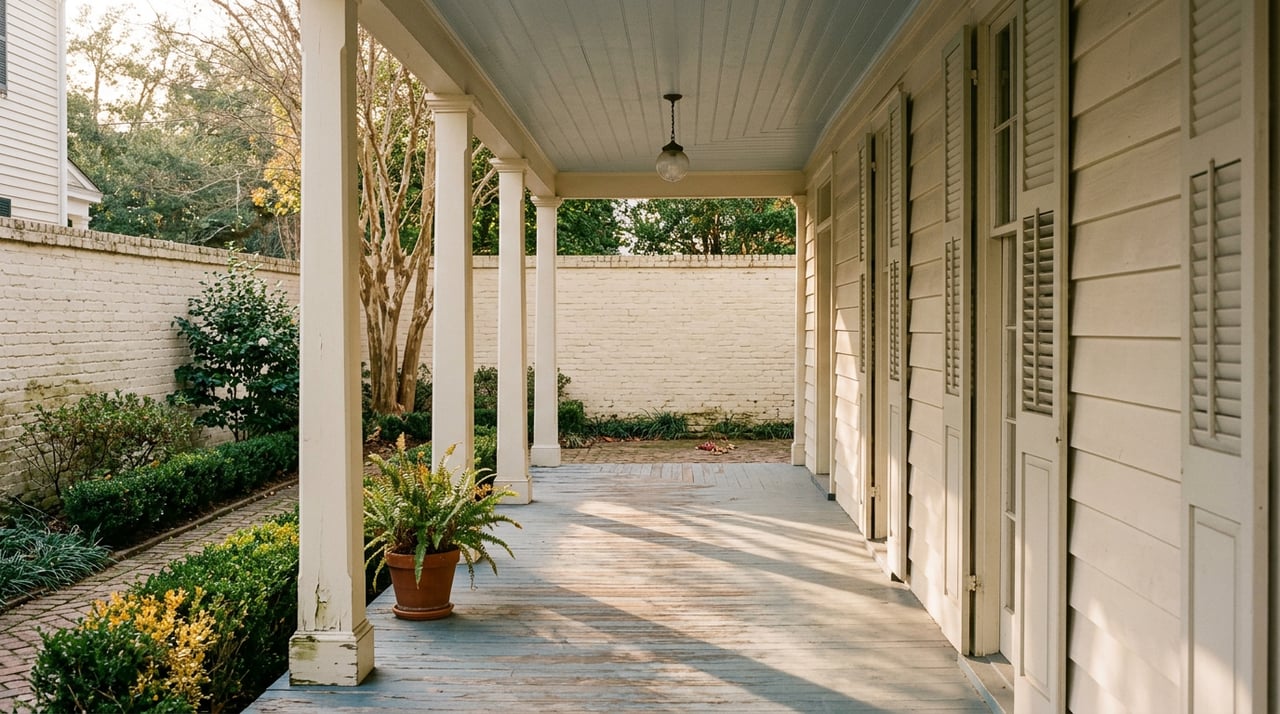
Downtown Charleston’s historic district is nationally significant, with many 18th- and 19th-century buildings and a visual identity shaped by materials, scale, textures, colors, and features like side piazzas. According to the South Carolina Department of Archives and History, the district includes architectural styles ranging from Georgian and Federal to Greek Revival, Italianate, and Queen Anne.
That matters when you prepare your home for sale. Buyers looking in the historic core are often paying close attention to original details and whether updates feel compatible with the house itself. In other words, a preservation-first plan usually makes more sense than a generic pre-listing renovation.
Before you tackle exterior changes, confirm whether the work needs review. The City of Charleston explains that the Board of Architectural Review reviews new construction, alterations, and renovations visible from the public right-of-way within historic districts, and it reviews demolitions in the Old and Historic District.
The city also notes that some minor items, including certain painting, repairs, sitework, and signage, are typically handled by staff rather than the full board. Still, owners are encouraged to check with city staff before starting work. For sellers, this is a key first step because even modest visible updates should be verified before you market them as improvements.
In South Carolina, most residential sellers must provide the Residential Property Condition Disclosure Statement before the parties form a contract. The form makes clear that if you answer “Yes” to a condition issue, you should explain it and may attach supporting reports from qualified professionals or public agencies.
For a historic Downtown Charleston property, a complete file can make your home easier for buyers to understand and evaluate. It can also help support your disclosures and reduce confusion during due diligence.
Try to assemble:
The National Park Service notes that a building’s history helps determine what is significant, and that physical or pictorial documentation can help guide replacement when historic features are missing. That makes documentation especially valuable for older homes with layered repair histories.
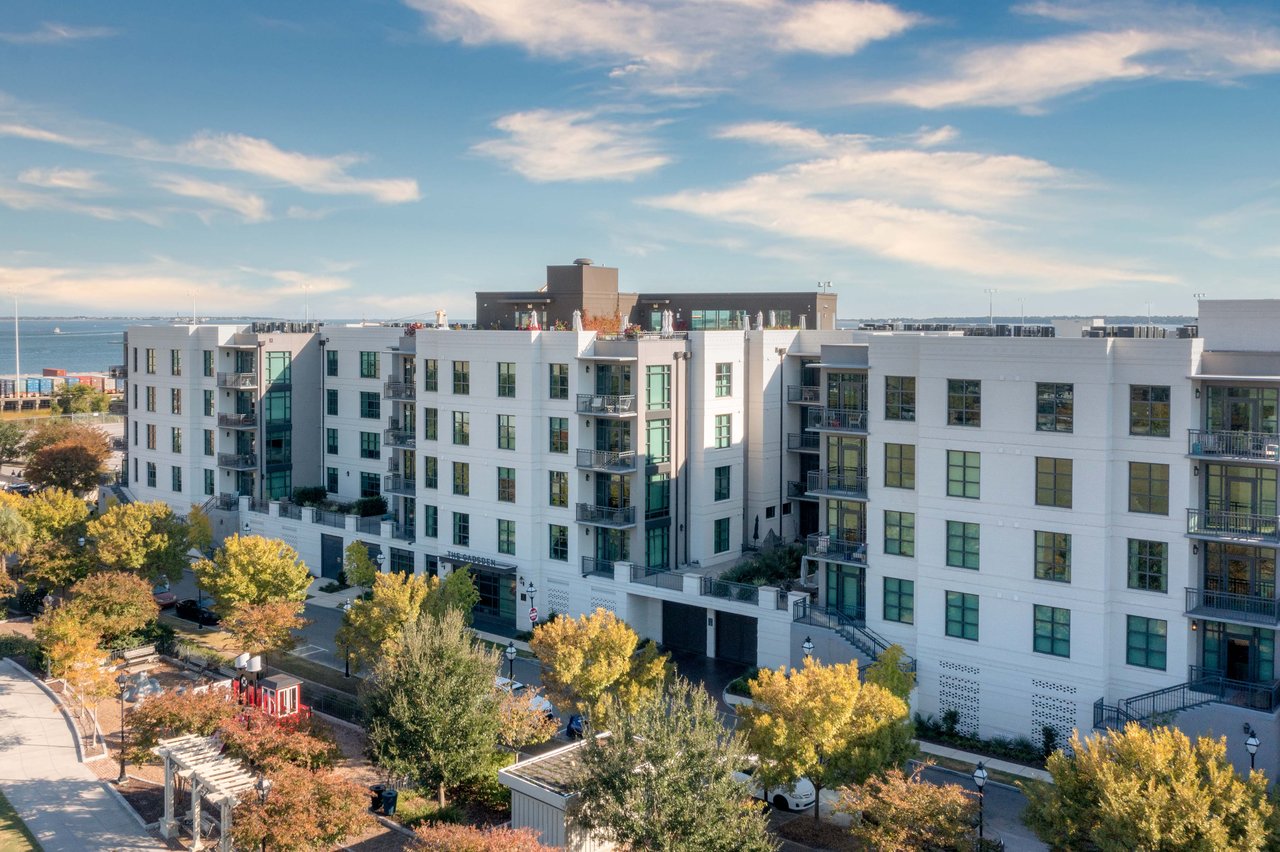
If your property is a condo, townhouse, or part of an owners association, gather the association’s governing documents as well. The South Carolina disclosure addendum specifically asks about dues, special assessments, parking, transfer fees, guest and animal restrictions, rental limitations, and access information.
Having these materials ready before listing can help prevent surprises. It also allows buyers to evaluate the property with a clearer picture of costs, rules, and logistics.
With historic homes, the safest pre-sale improvements are often the least invasive ones. Instead of replacing character-defining features, a better strategy is usually to clean, repair, and stabilize what is already there.
That approach aligns with National Park Service guidance across windows, exterior woodwork, substitute materials, and interiors. It also tends to preserve the very details that make Downtown Charleston homes stand out.
For exterior windows, the National Park Service says historic windows should be repaired when possible. It also notes that weatherstripping and storm windows can improve performance without sacrificing original windows.
If replacement becomes unavoidable, especially on highly visible street-facing elevations, the replacement should match the historic windows very closely in material and detail. For a seller, this means quick swaps or poorly matched units can work against both appearance and buyer confidence.
If your exterior woodwork needs attention, avoid overly aggressive paint removal. The National Park Service advises against stripping painted wood down to bare wood with harsh methods because that can permanently damage the surface and remove historic paint layers.
Its guidance on exterior woodwork recommends cleaning, light scraping, hand-sanding where appropriate, and repainting. The same source notes that many pre-1950 houses contain lead-based paint, which is another reason to approach prep work carefully.
Sometimes replacement cannot be avoided. When that happens, the National Park Service says substitute materials should match the original feature as closely as possible in appearance, compatibility, and performance.
That guidance is especially important for visible exterior details. Incompatible materials can do more than look out of place. They can also damage surviving historic fabric over time.
Inside the house, not every room carries the same historic weight. The National Park Service explains that character-defining interior features often include floor plans, room sequences, stair halls, parlors, millwork, plaster, floors, hardware, and decorative finishes.
Its interior preservation guidance also advises against dropping ceilings in important rooms or subdividing spaces that define the building type. For pre-listing prep, that points sellers toward a simple rule: preserve the flow and proportions of the main rooms whenever possible.
The most effective updates are often straightforward:
These improvements help your home feel cared for without erasing the details buyers came to see.
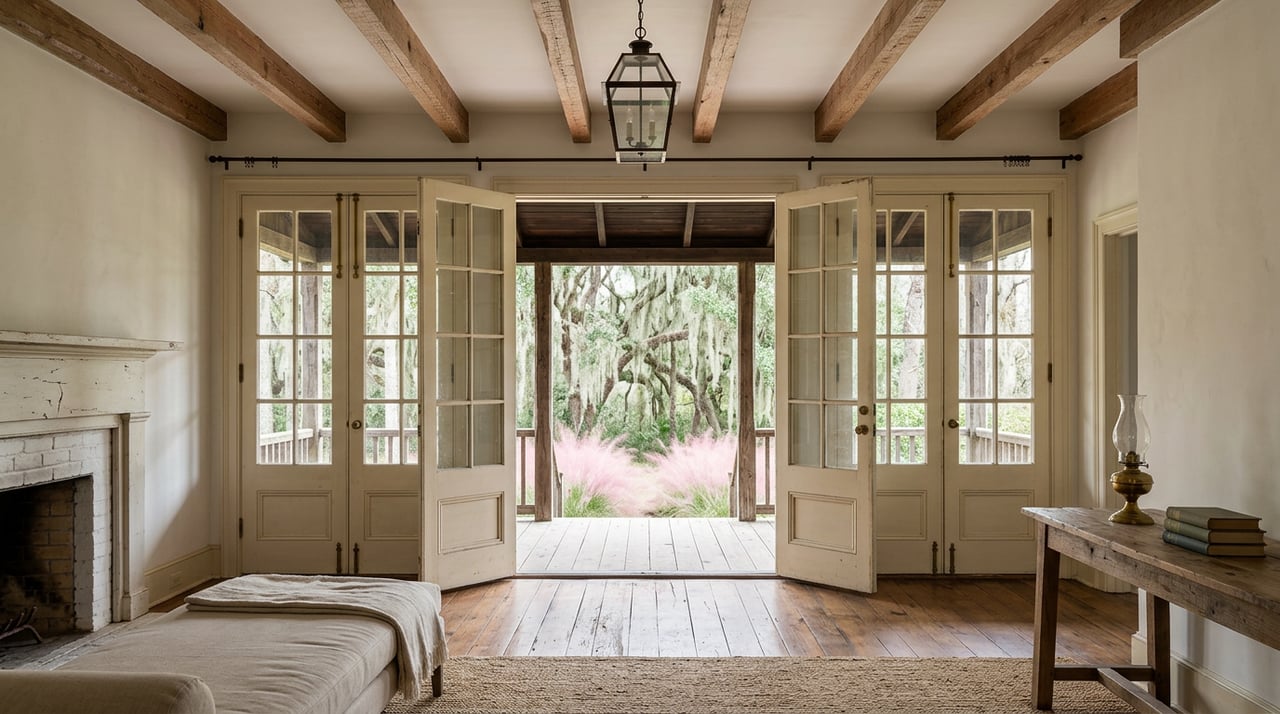
Historic Charleston homes usually show best when staging is edited and restrained. Buyers want to see the staircase, mantel, plaster detail, flooring, tall windows, piazza access, and the overall room sequence.
The National Park Service’s interior guidance emphasizes preserving the size, configuration, and relationship of rooms. In practice, that means your staging should highlight original features instead of competing with them.
Focus on letting the architecture lead:
A calm, intentional presentation often works better than trying to make a period home mimic a brand-new one.
In Downtown Charleston, vague words like “updated” or “renovated” are rarely enough. Buyers often want to know what was repaired, what was restored, what was replaced, and whether documentation exists to support those changes.
A stronger marketing approach is to describe the home with precision. That may include its architectural style, its location within the historic district, and any verified stewardship or restoration work.
The best listing package often includes a short, factual story of the property’s care. This can cover:
This matters even more for windows, doors, trim, and masonry on street-facing elevations, where the National Park Service treats visible facades as especially important in evaluating compatible work.
A polished historic listing is not just visually appealing. It should also be easy to verify. The South Carolina disclosure form states that the disclosure is not a warranty and does not replace inspections, while buyers remain responsible for obtaining inspections and reviewing governing documents.
That is why preparation matters so much. When your records, disclosures, and association materials are organized from the start, buyers can move through due diligence with fewer unknowns.
Selling a historic Downtown Charleston home often calls for more than standard listing prep. You need thoughtful guidance on what to improve, what to leave alone, what may require review, and how to present the home in a way that respects its architectural character.
At Handsome Properties, that work is grounded in Charleston market knowledge, historic-home fluency, and a service-first process. Whether you are preparing a period residence, a downtown condominium, or a second home that needs coordinated local support, the goal is the same: position the property clearly, document it carefully, and bring it to market with confidence.



Handsome Homes
Transforms property buying and selling into a thoughtful, curated, and highly personalized experience, expertly tailored to Charleston’s luxury, historic, and exclusive real estate markets.