What Makes a Charleston Single House So Unique
April 10, 2026
April 10, 2026
If you’ve ever walked down a historic Charleston street, you’ve probably noticed that some of the homes look a little different from what you’d expect. Instead of a wide front facing the street, many of them show only their narrow side. At first, it almost feels like the house is turned the wrong way.
It’s not.
This design is known as the Charleston Single House, and it has become one of the city’s most recognizable architectural styles. The layout wasn’t random or just for looks. It was intentional and largely shaped by Charleston’s long, narrow lots and humid coastal climate.
When you start to break down the structure, every detail begins to make sense.
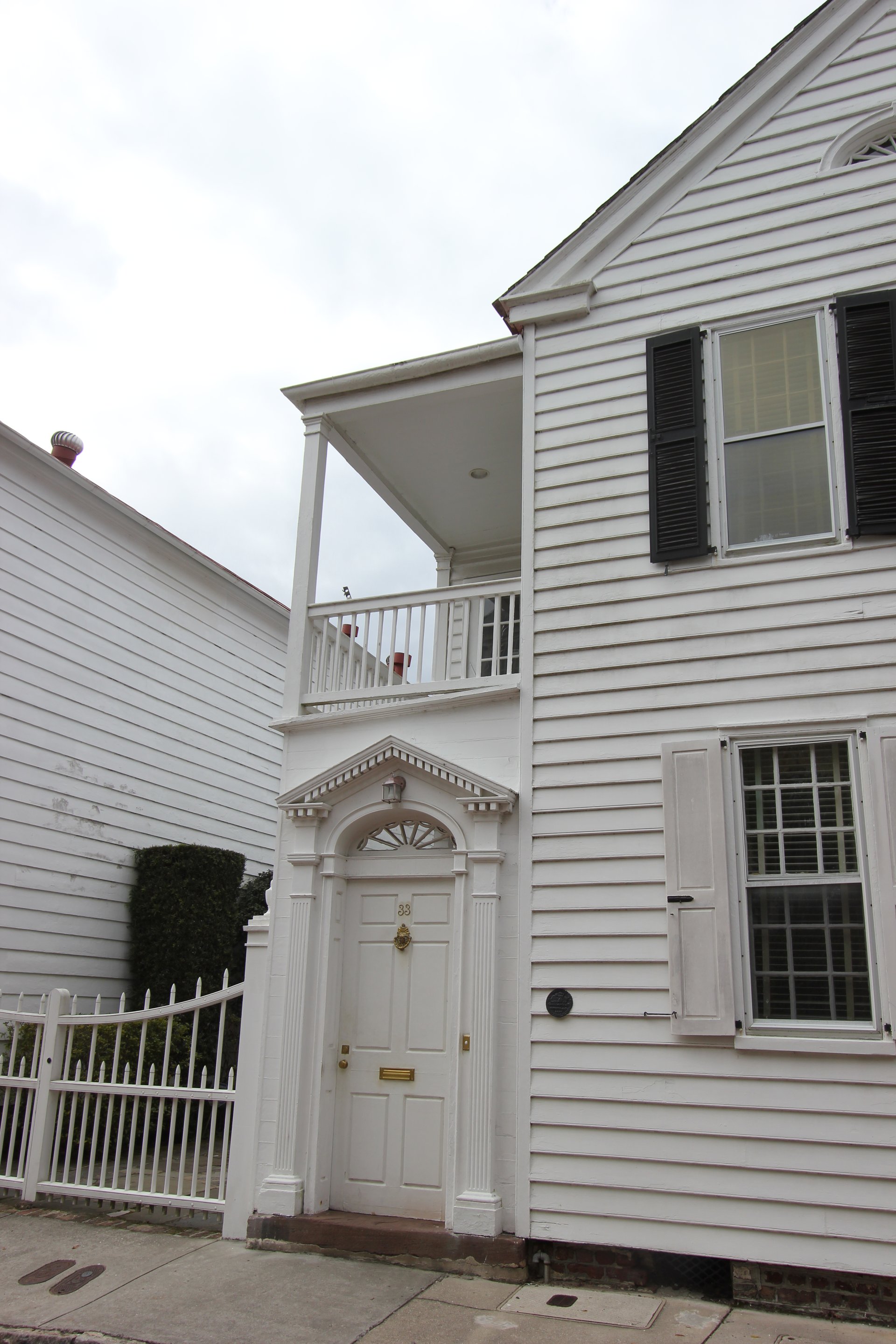
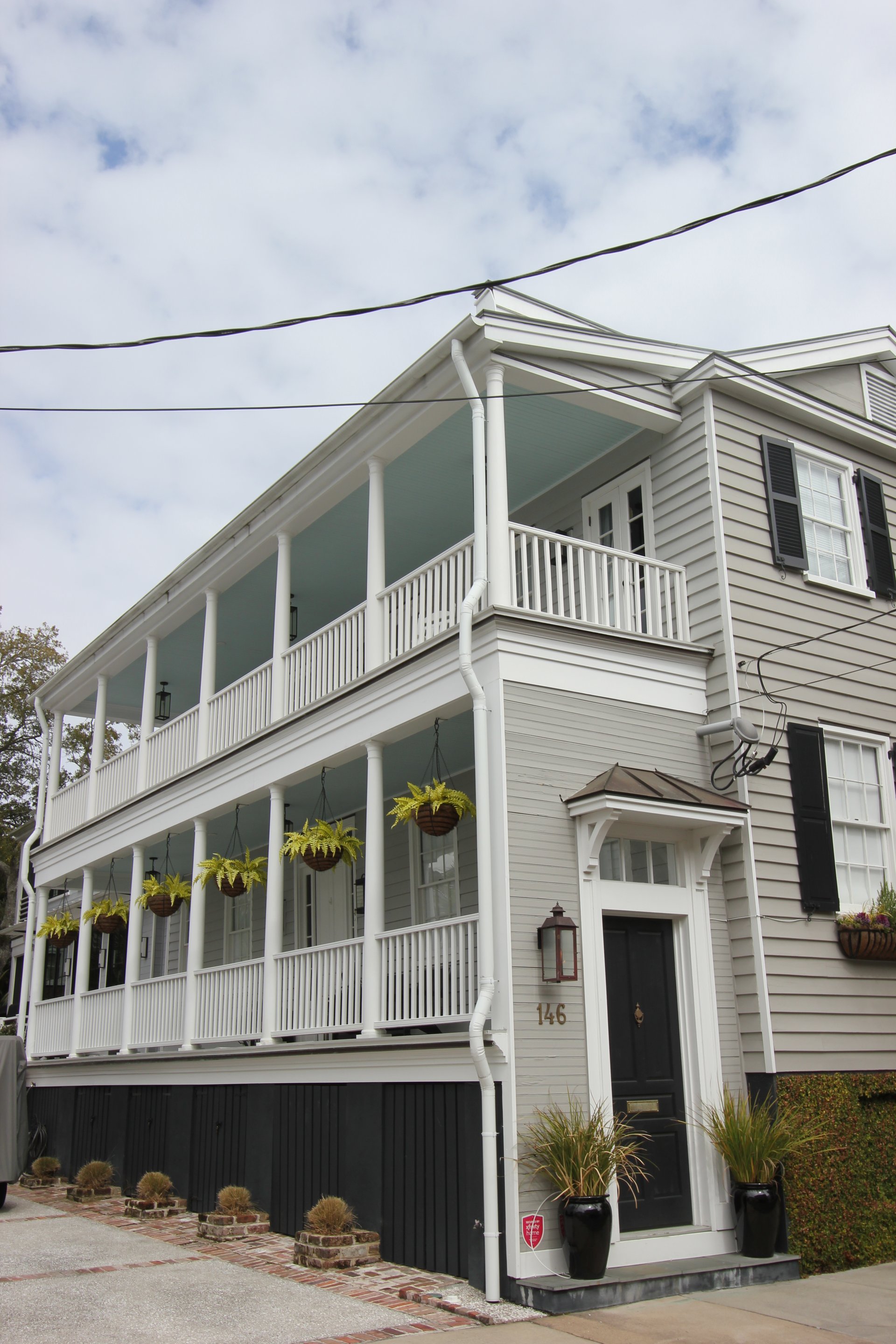
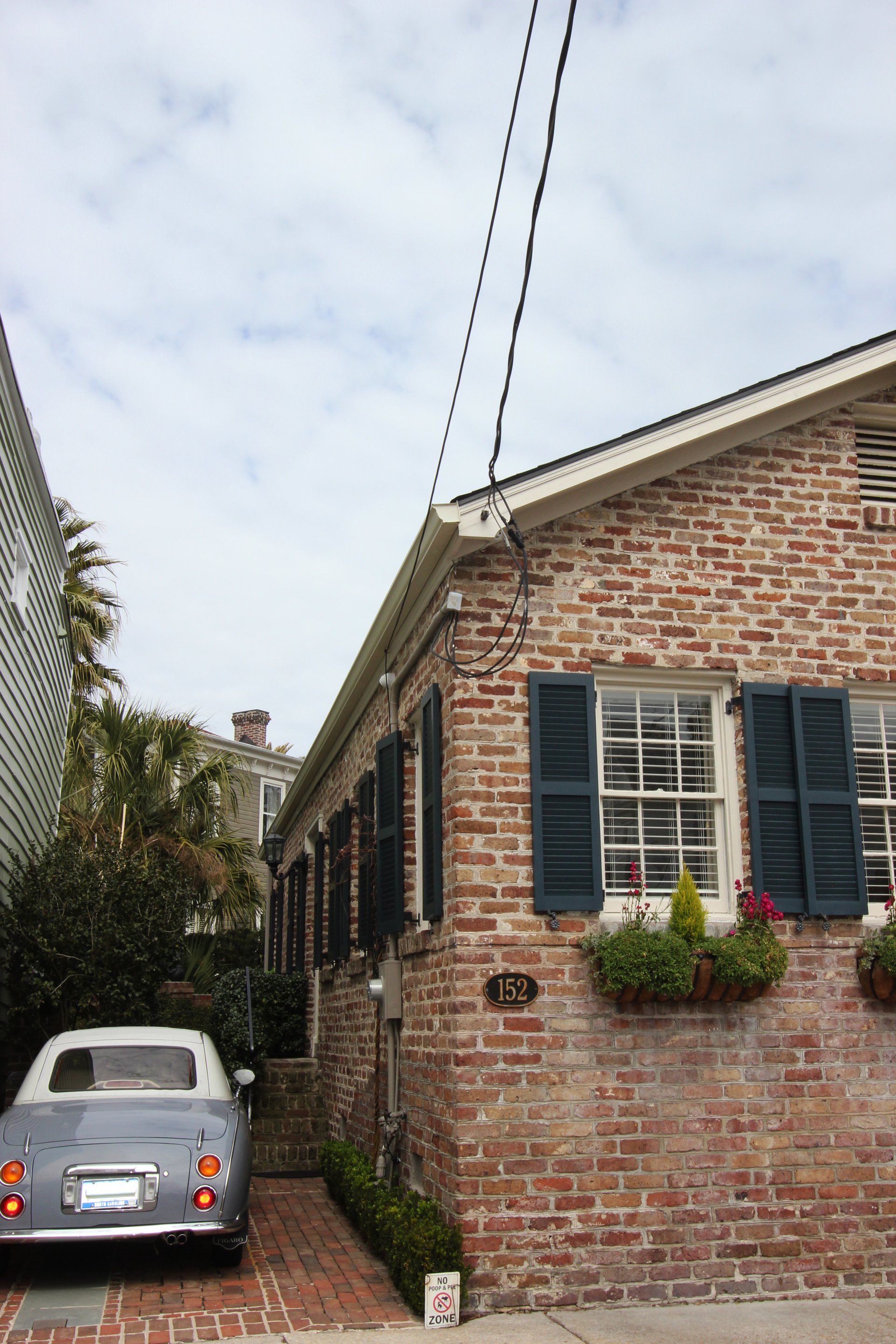
The biggest thing you notice about a Charleston Single House is its positioning. The narrow end faces the street, while the long side runs back along the lot.
Early Charleston properties were built on long, narrow pieces of land. Building homes this way allowed owners to maximize space without crowding the street. It also helped improve airflow between houses, which mattered in Charleston’s warm climate.
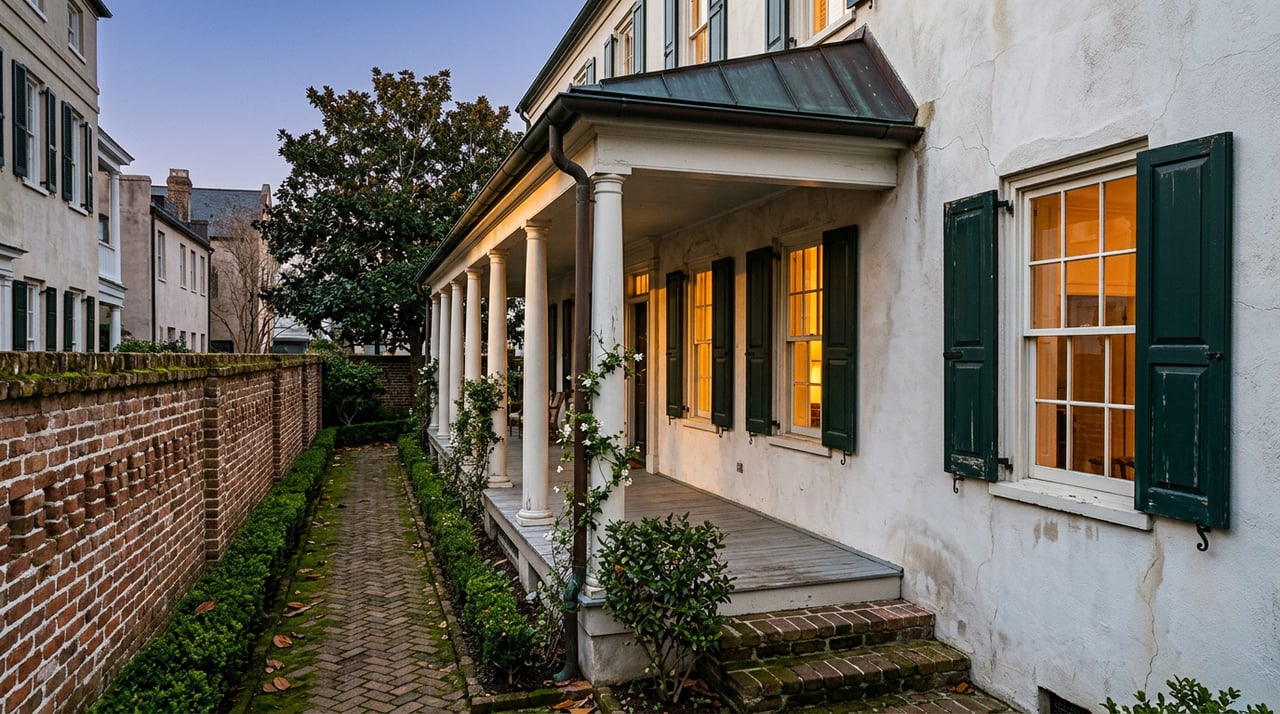
Another detail that makes these homes unique is the location of the front door. Instead of being centered on the street-facing side, the main entrance is usually along the long side of the house, often behind the piazza. This creates a more layered entrance. It feels slightly more private and intentional, almost like you’re stepping into something tucked away rather than walking straight in from the sidewalk.
For buyers interested in these types of properties, understanding this layout is important, especially when thinking about restoration or updates.
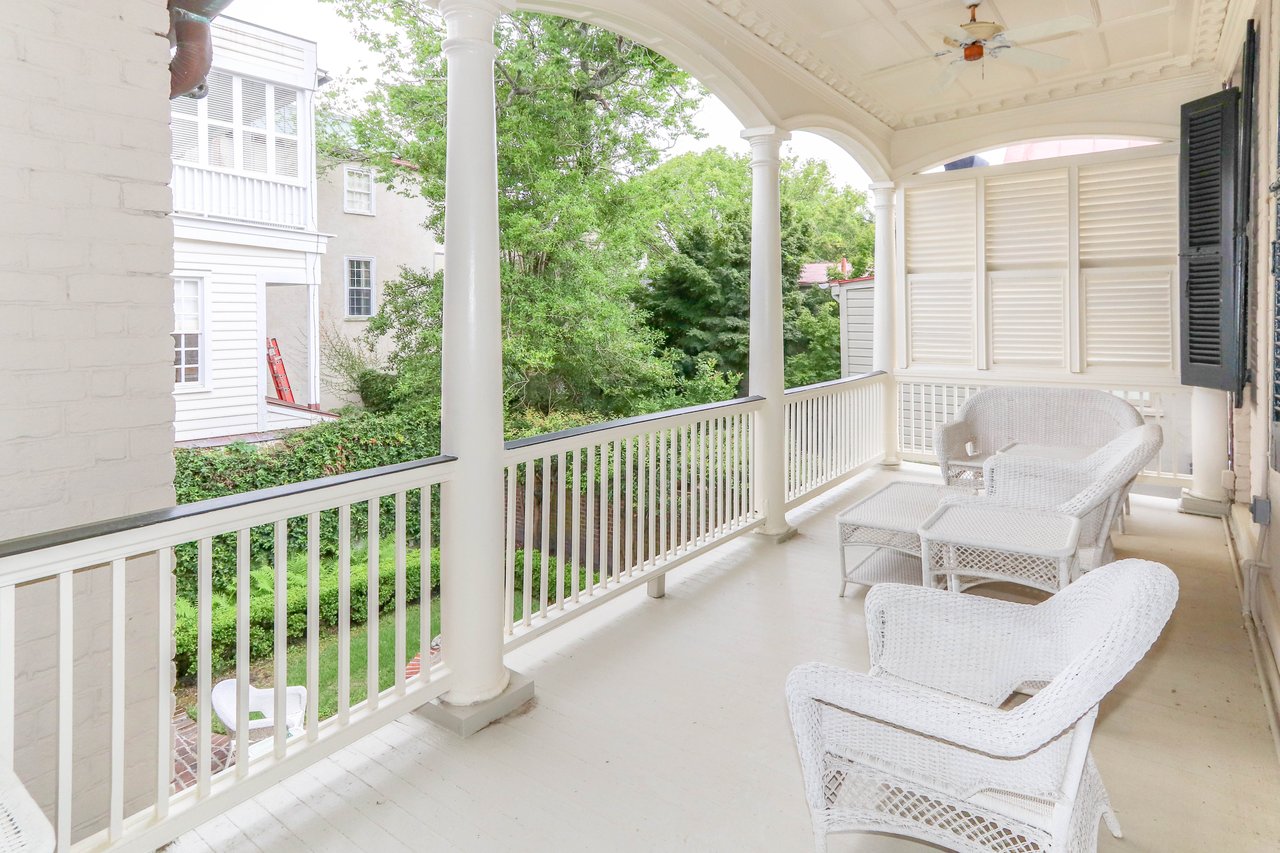
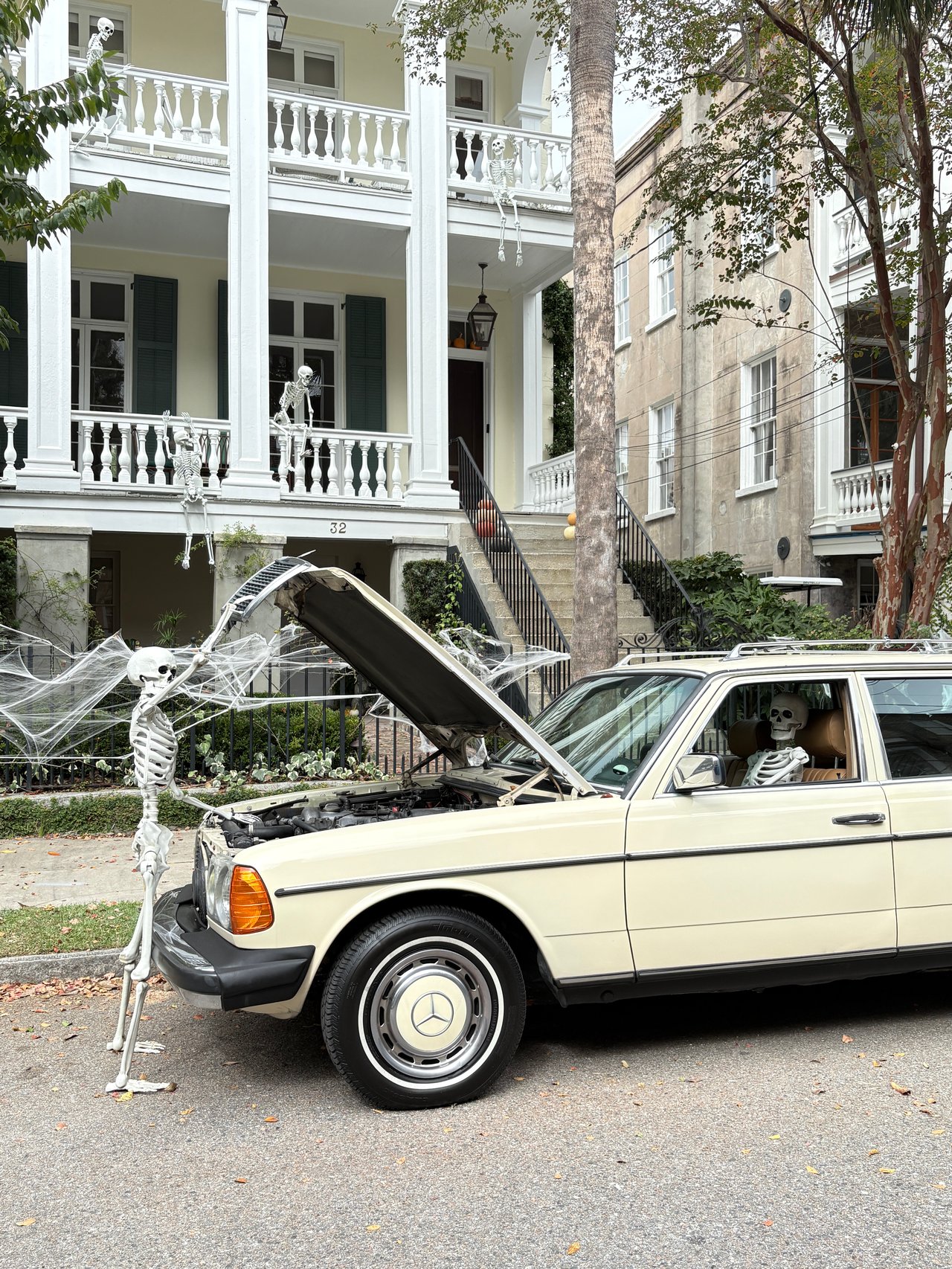
One of the most recognizable features of the Charleston Single House is the piazza, a long porch that runs along the side of the home. Many homes have single or even double stacked piazzas, which add height and dimension from the street.
These porches weren’t just built for charm. They were designed for airflow and shade in Charleston’s humid weather. Positioned to catch breezes, the piazza helped cool the home naturally long before air conditioning existed.
Today, piazzas are still one of the most desirable features of these homes. They function as outdoor living spaces, perfect for entertaining, relaxing, or simply enjoying the atmosphere of a historic neighborhood. Preserving these architectural details plays a big role in maintaining the city’s overall character and charm.
What makes the Charleston Single House so interesting is that it still works. The design creates depth instead of a flat front-facing façade, which gives the home more character from the street.
It also photographs differently from modern suburban homes. In real estate listings, that architectural detail stands out immediately. Outdoor space remains a strong selling feature, and the piazza naturally adds that without feeling forced.
In many of Charleston’s most desirable neighborhoods, this layout helps define the overall feel of the streetscape.
More than anything, the Charleston Single House shows the city’s recognizable architectural identity. It’s part of what makes Charleston feel historic, layered, and intentional.
The Charleston Single House layout wasn’t random. It was a practical solution to space limitations and climate challenges. Over time, that practical design became one of Charleston’s most iconic architectural forms.
Today, it continues to influence how homes are experienced, restored, and marketed. What started as a smart response to urban living has become a defining feature of the city itself, and one of its most sought-after home styles


Transforms property buying and selling into a thoughtful, curated, and highly personalized experience, expertly tailored to Charleston’s luxury, historic, and exclusive real estate markets.