Leave a Message

By providing your contact information to Handsome Properties, your personal information will be processed in accordance with Handsome Properties's Privacy Policy. By checking the box(es) below, you consent to receive communications regarding your real estate inquiries and related marketing and promotional updates in the manner selected by you. For SMS text messages, message frequency varies. Message and data rates may apply. You may opt out of receiving further communications from Handsome Properties at any time. To opt out of receiving SMS text messages, reply STOP to unsubscribe.

Thank you for your message. We will be in touch with you shortly.

Exploring the Rich History of 11 Meeting Street

Handsome Properties February 29, 2024

Walking through Charleston’s beautiful South of Broad area, the streets are steeped with history. From the captivating charm of Charleston Single Homes to the lush, historic garden areas, the city’s beauty is unparalleled. Among its treasures is 11 Meeting Street which stands out as a testament to the city’s rich legacy.

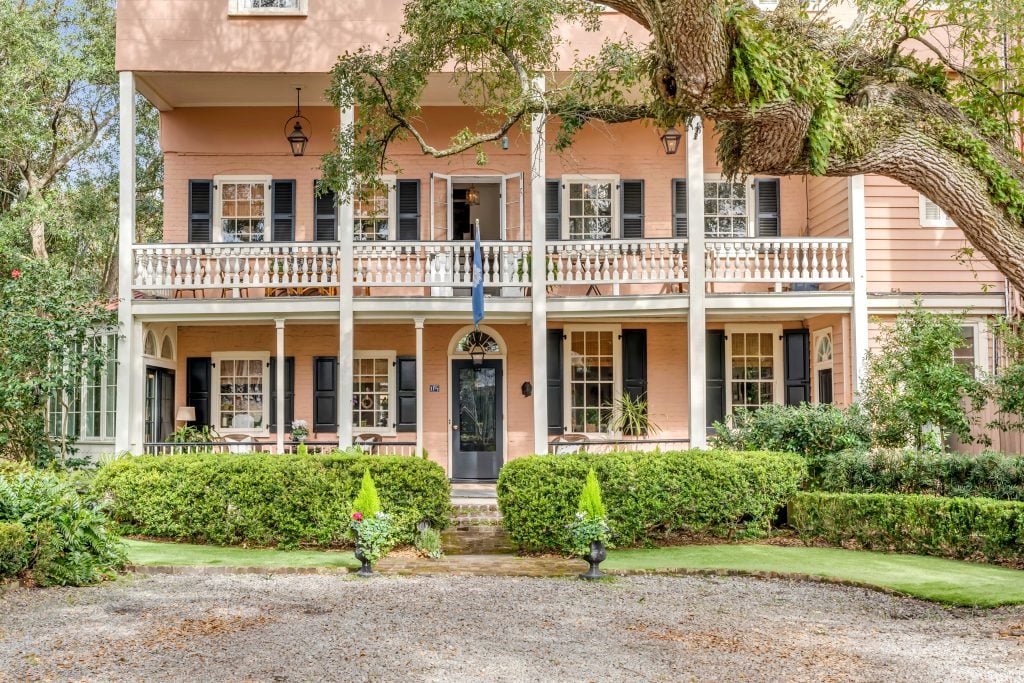
11 Meeting Street, Unit D dates back to the early 18th century featuring a mix of Italianate and Colonial Revival architecture. The structure was first used as a brick outbuilding before being integrated into the Italianate mansion built by Mr. William C. Courtney in the early 1800s.

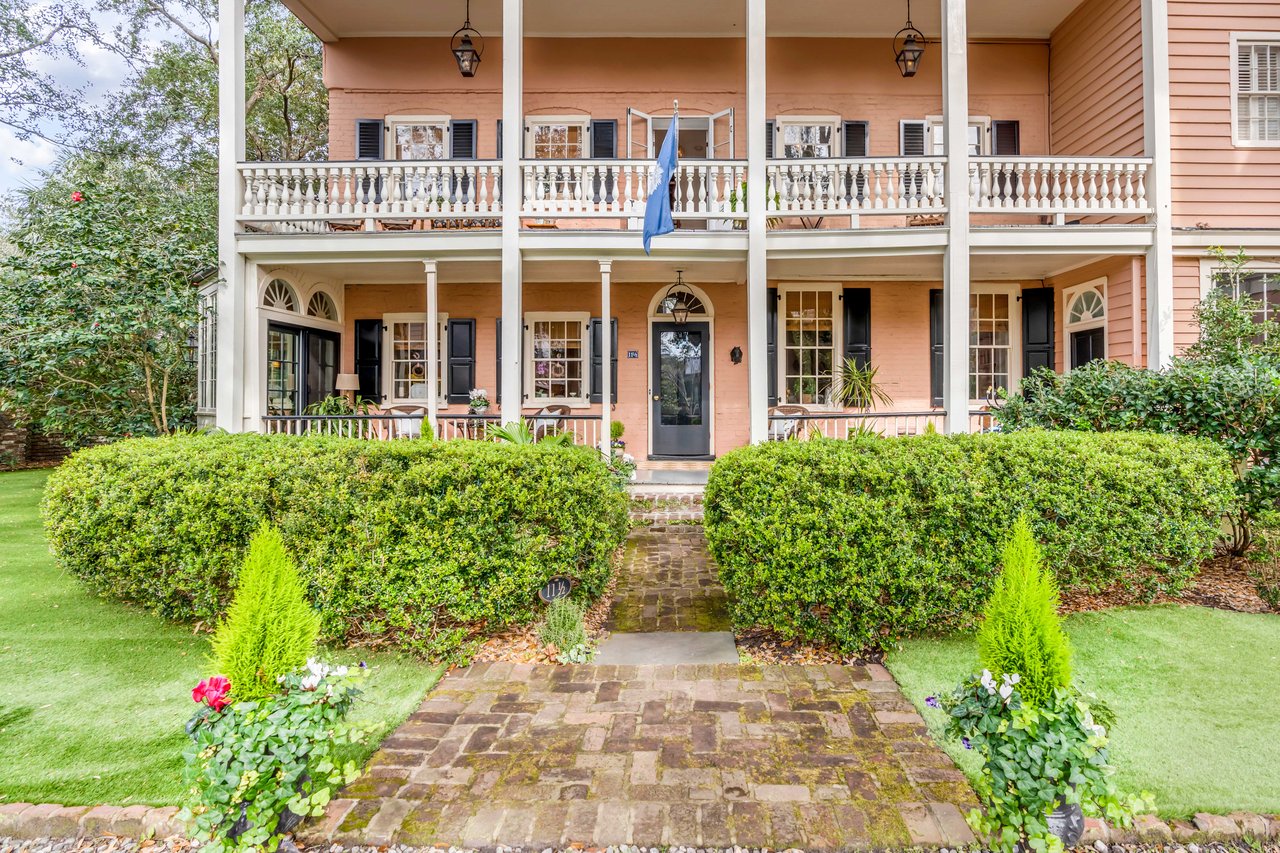
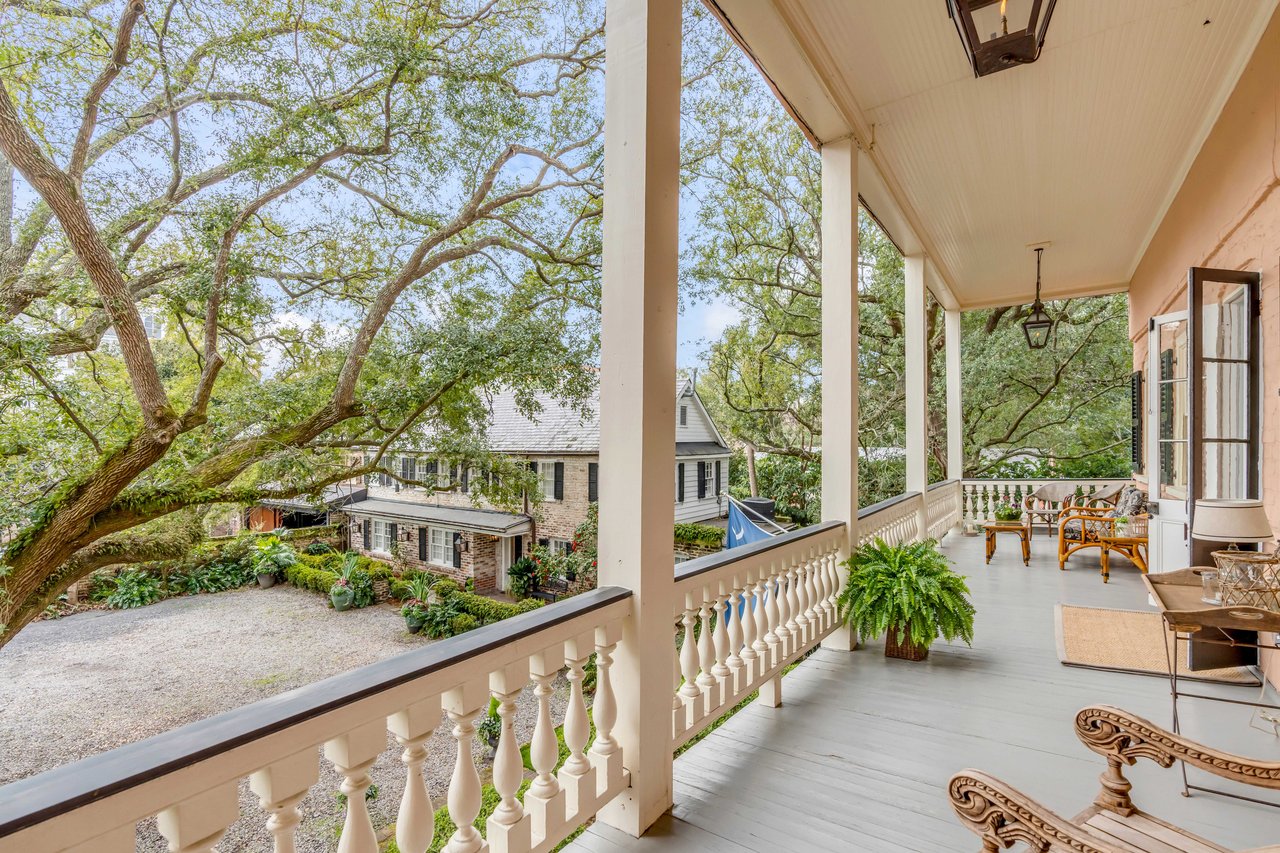
The home features many elements that reflect its historic roots. The stunning pink brick and stucco exterior of the residence stands in flawless preservation. Its charming arched windows and elongated piazzas effortlessly transport residents back to the home’s historic origins.

The history of 11 Meeting Street, Unit D, is extensive, having once functioned as a carriage house and later as part of a large mansion. Evidence of its lived history resonates throughout, enriching the home’s character and charm. Unit D was later transformed into “the Westbert” Apartments in the mid-1900s.

During World War II, the residence offered lodging for military officers and later became available to the public. Throughout its history, the structure has seen numerous owners but has remained divided into separate apartments up to the present day.

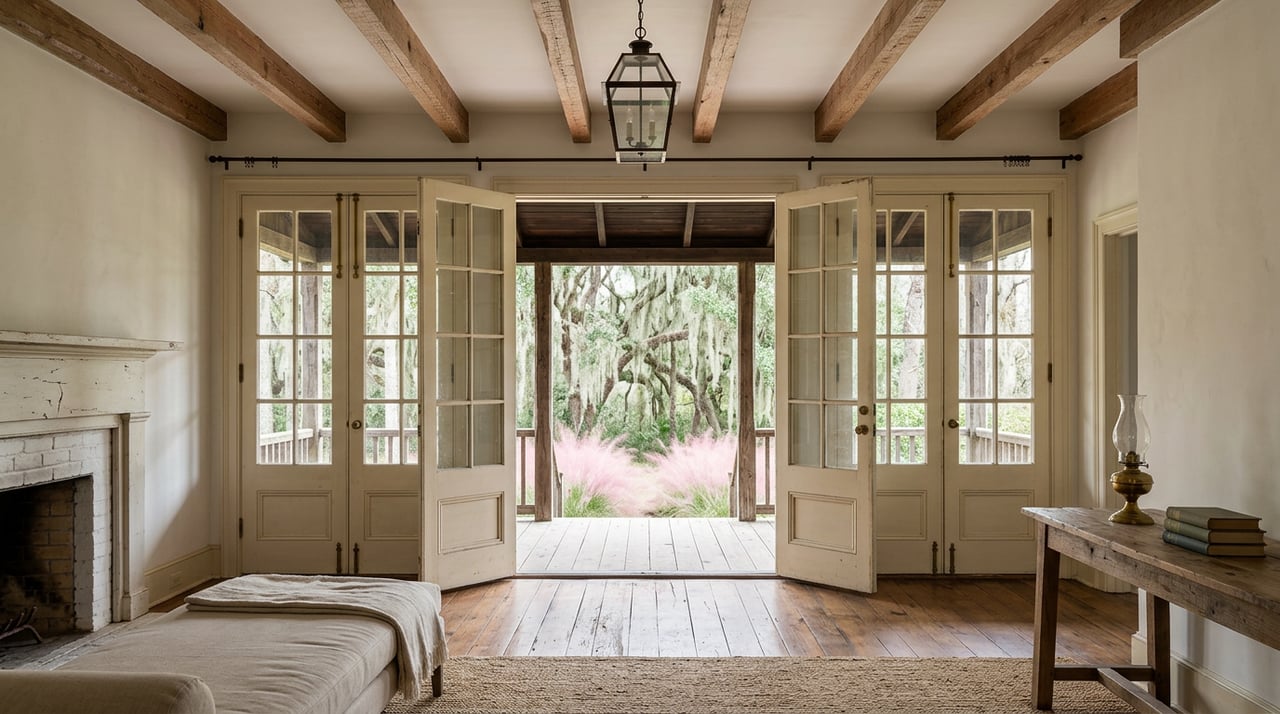
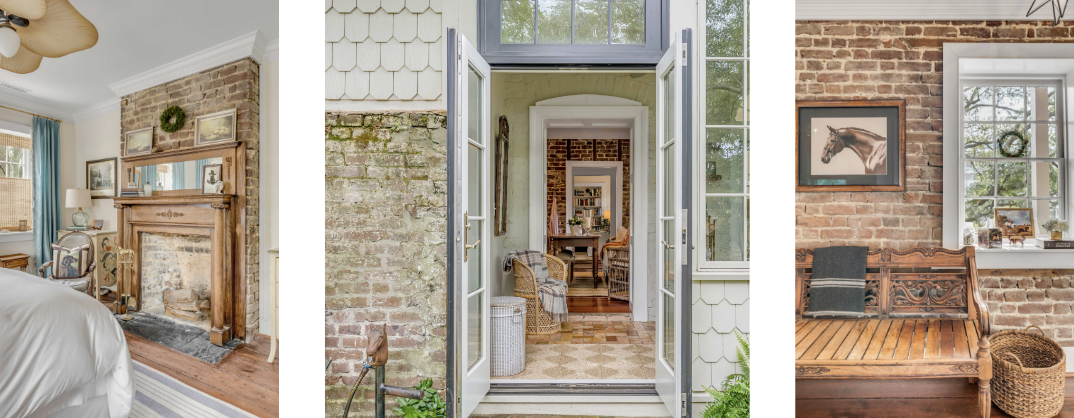
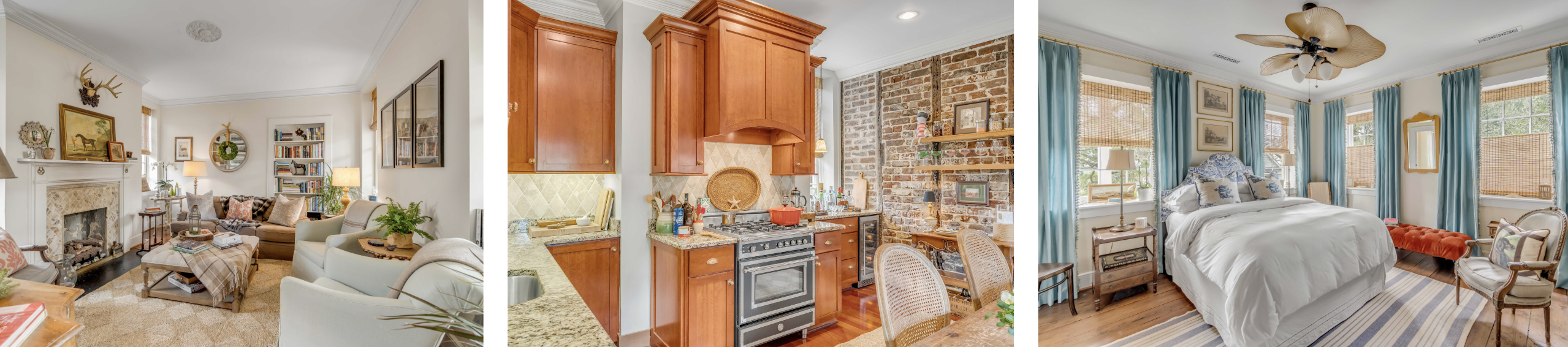
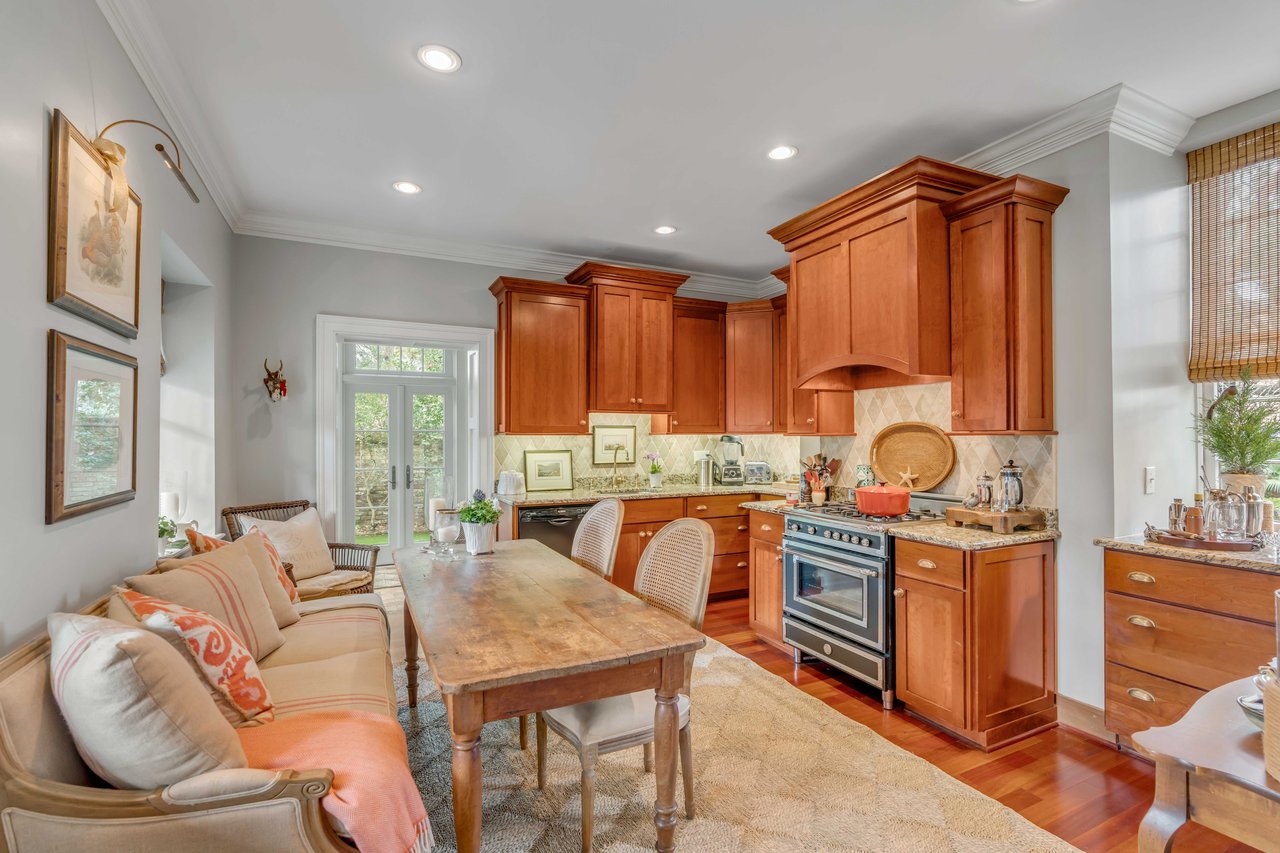
The interior of the residence tells its own story. Crafted using English brick-laying techniques popular in Charleston during its construction, exposed brick throughout Unit D adds to its charm. Large wooden beams, also exposed in the walls, showcase historic construction methods and enhance the residence’s charm.

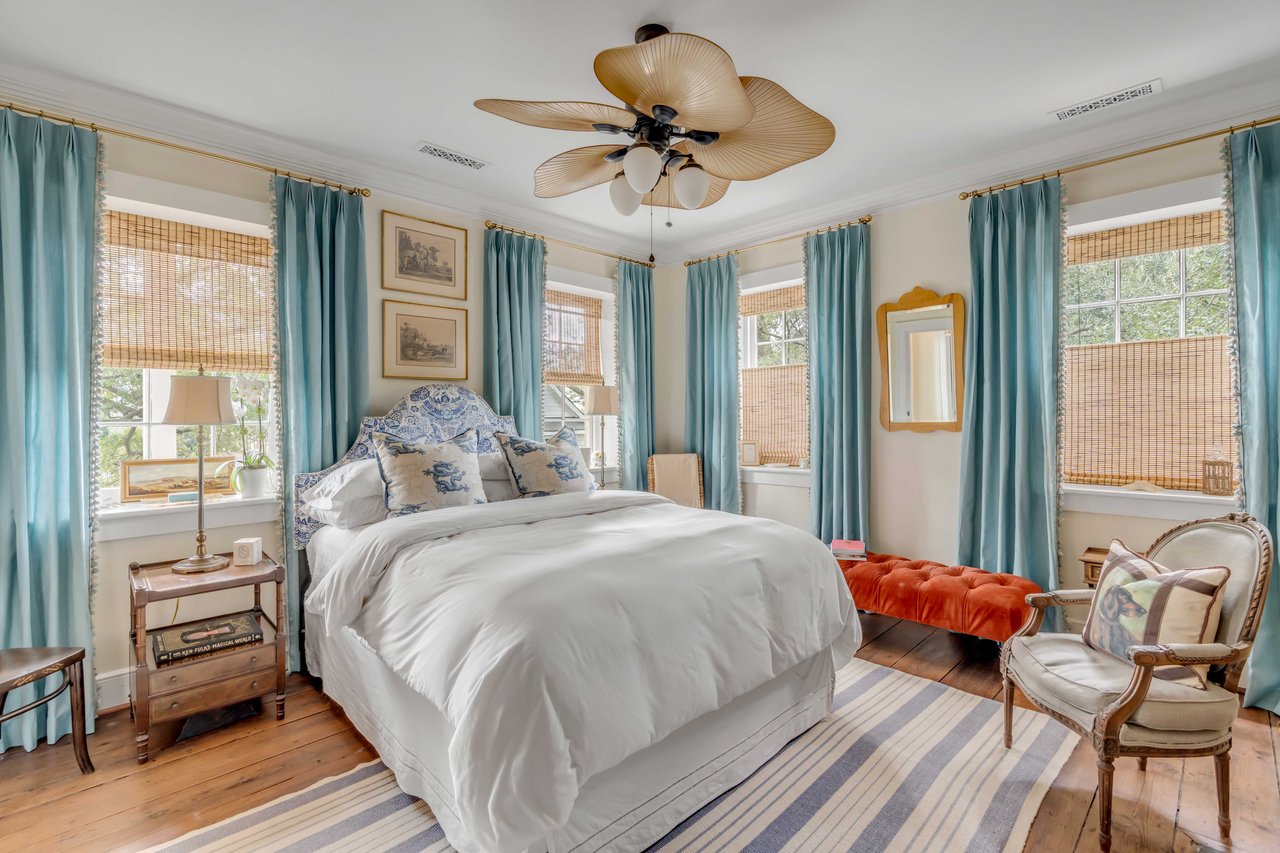
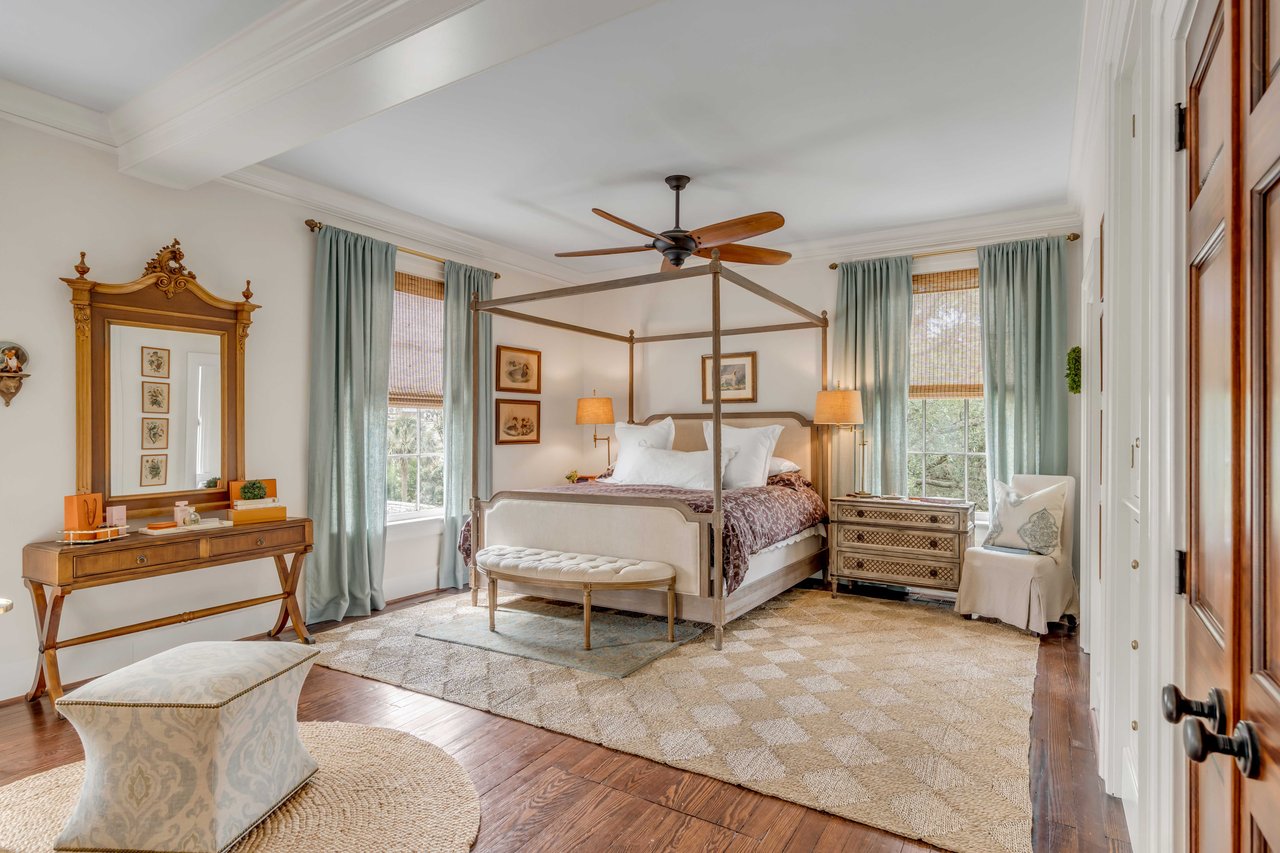
Elements from the home’s history are found throughout, such as details indicating its past as a carriage house. Additionally, beautiful historic floors made of thick, dark wood, along with historic colonial revival fireplaces and mantels, further contribute to the home’s beauty.
Timeline of Historic Events at 11 Meeting Street

  • 1689 – Mr. Hooglan received Lot No. 117 in Charleston’s Grand Model, now known as 11 Meeting Street. There is no evidence that he developed the lot, but in the early 1700s, two structures were built on the property.
  • 1854 – William Crocker Courtney purchased the property for $15,900, which had two brick structures likely built in the early 18th century.
  • 1856 – Courtney built a three-story mansion in the Italianate architectural style during Charleston’s prominent period. This period brought significant mansion construction in Charleston similar to Courtney’s at 11 Meeting Street, especially in the South Battery area.
  • 1879 – After Courtney’s death in 1885, Susan Hall acquired the property and completed numerous renovations to the home. However, after she sold it, the property underwent multiple ownership changes thereafter.
  • 1902 – A woman by the name of Caroline H.L. Mullally owned the property. During this time, records suggest that Unit D began to be utilized as a carriage house. The property continued to change hands over the years.
  • 1916 – At this time Elise W. DuPont owned the home, marking its final period as a private residence before its conversion into apartments.
  • 1923 – The Sunday News advertised 11 Meeting Street as “The Westbert” apartments, highlighting numerous amenities. It describes the property as an “excellent eating place to meet the needs of everybody”.
  • 1929 – The back of the mansion, including Unit D, underwent conversion into another apartment within the Westbert building.
  • 1942 – Miss Carol Lyn P. Brown utilized the home as her private winter residence, complete with servant quarters, laundry, and a kitchen area in the rear possibly referring to Unit D. Mr. Joseph Miserendio later acquired the property. Mr. Miserendio was a large investor in Charleston purchasing multiple large properties.
  • 1947 – Mr. Samuel P. and Mrs. Addie G. Bee acquired 11 Meeting Street, intending to operate it as an investment property. This marked the beginning of divided ownership within the mansion.
  • 1973– A transaction occurred when a Virginia resident purchased the property, the local paper celebrated the home for its beautiful architectural design.

The Art of Real Estate

Transforms property buying and selling into a thoughtful, curated, and highly personalized experience, expertly tailored to Charleston’s luxury, historic, and exclusive real estate markets.