Pros & Cons of Furnished vs Unfurnished Rentals
Handsome Homes Handsome Properties May 9, 2025
Handsome Homes Handsome Properties May 9, 2025
When leasing a property, homeowners must decide whether to furnish it for their future tenants or leave it as an empty canvas. This choice can impact rental income, management responsibilities, and the demographics of potential renters.
Understanding the pros and cons of each option is essential for any property owner looking to rent out their space. This blog goes through the pros & cons of furnished rentals.
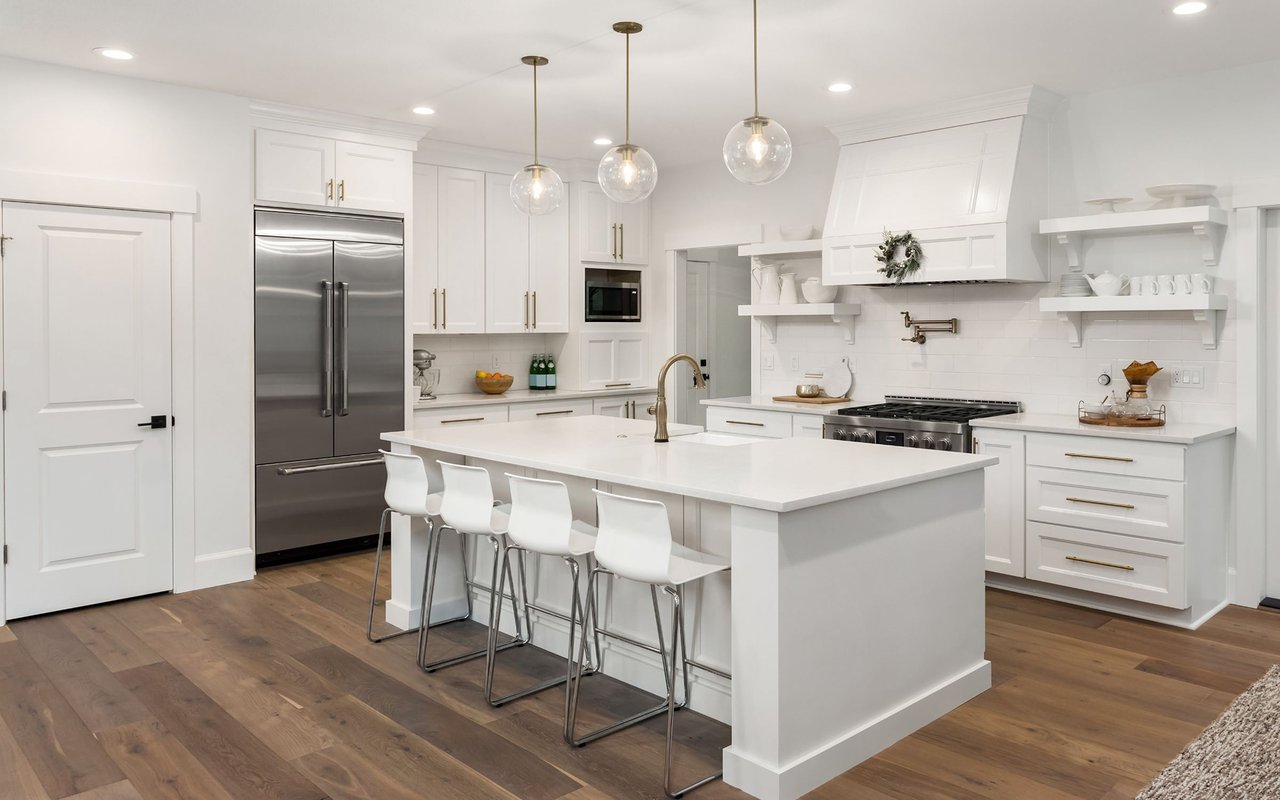
Furnished rentals come with all the necessary furniture and appliances that tenants would need to live comfortably. These are pieces like beds, mattresses, sofas, and dining tables. On the other hand, unfurnished rentals are empty except for basic fixtures such as lighting and sometimes large appliances.
Furnishing a rental space can increase potential rental income. Furnished properties can charge more since renters are paying for the convenience of a move-in-ready spot. A furnished spot may be more likely to be leased first because it is easier for renters coming to a new city or getting their first apartment. Landlords can often get tax breaks and deductions from furnishing their rentals.
Furnished rentals also have their drawbacks that landlords should consider. With a furnished property, there is a higher potential for damage. Even without immediate damage to the furniture, over time, wear and tear will result in the need to replace the furniture. Additionally, the owner will spend more money up front for the furnishing process.
Tenants may stay longer if they can make their property feel more like their own. Properties will require less maintenance and management because the landlord is not responsible for the furnishings. There are also lower turnover costs associated with unfurnished rentals because property owners do not have to hire someone to clean the furniture.
Property owners can not charge as much for a unit that is not furnished. Units are more likely to be damaged during the move-in/out process because tenants will be supplying their own furniture and moving it around.
The choice of whether a landlord furnishes their property or not can feel overwhelming, but it ultimately depends on their goals. Whether you prioritize maximizing rental income or reducing management responsibilities, weighing the pros and cons will help you make the right decision for your property and target tenant.
For added peace of mind, consider reaching out to a real estate professional who can guide you through the process and help you market your rental effectively.








Handsome Homes
Transforms property buying and selling into a thoughtful, curated, and highly personalized experience, expertly tailored to Charleston’s luxury, historic, and exclusive real estate markets.