The “Carolopolis” Plaque: The Meaning Behind This Notable Award
Handsome Properties July 12, 2016
Handsome Properties July 12, 2016
Charleston homes stand tall and proud as they boast history and charm. Not only do some of these homes date back to the 1700s, but many residences have been awarded the Carolopolis plaque. There has been some confusion as to what this award means amongst visitors as well as locals. We’d like to explain the importance and honor that come with this highly acclaimed award.
If you have ever stopped to admire some of Charleston’s oldest homes, you will have likely seen the round Carolopolis plate nailed near the front door. The Carolopolis Award is annually awarded to qualified property owners by the Charleston Preservation Society. The award recognizes the property’s historic background, preservation, restoration, and rehabilitation. The word “Carolopolis” comes from the Latin word Carolus, which combines Charles and the Greek word polis, meaning “city.” The two words come together as “Carolopolis.”
Why the combination of both Latin and Greek? Charleston architecture is historically recognized as a combination of both Roman and Greek design. The round medallion also features the year it was awarded as well as the Latin phrase “Condita A.D 1670” (Anno Domini), which translates to “Established in the year of our Lord, 1670.”
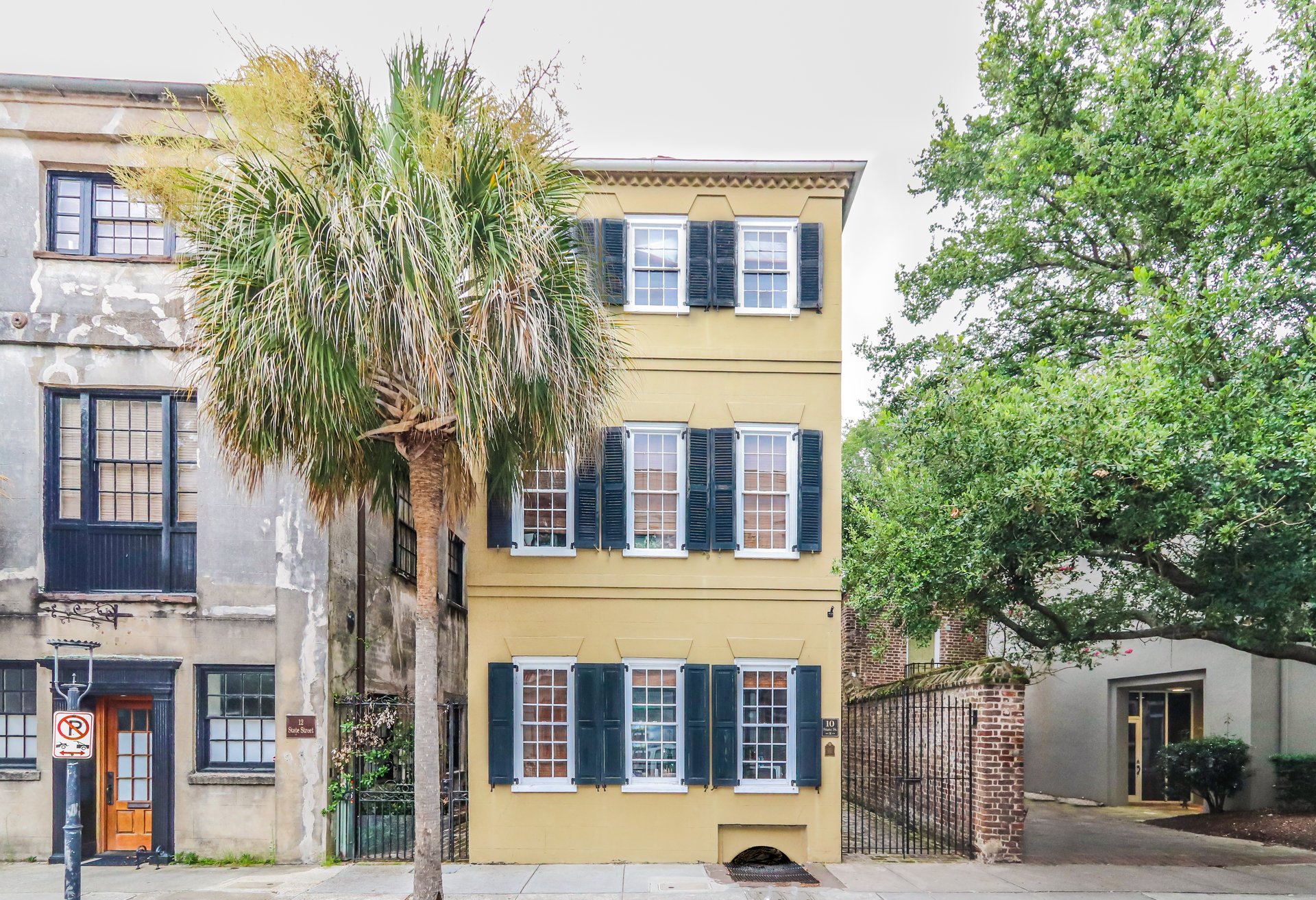
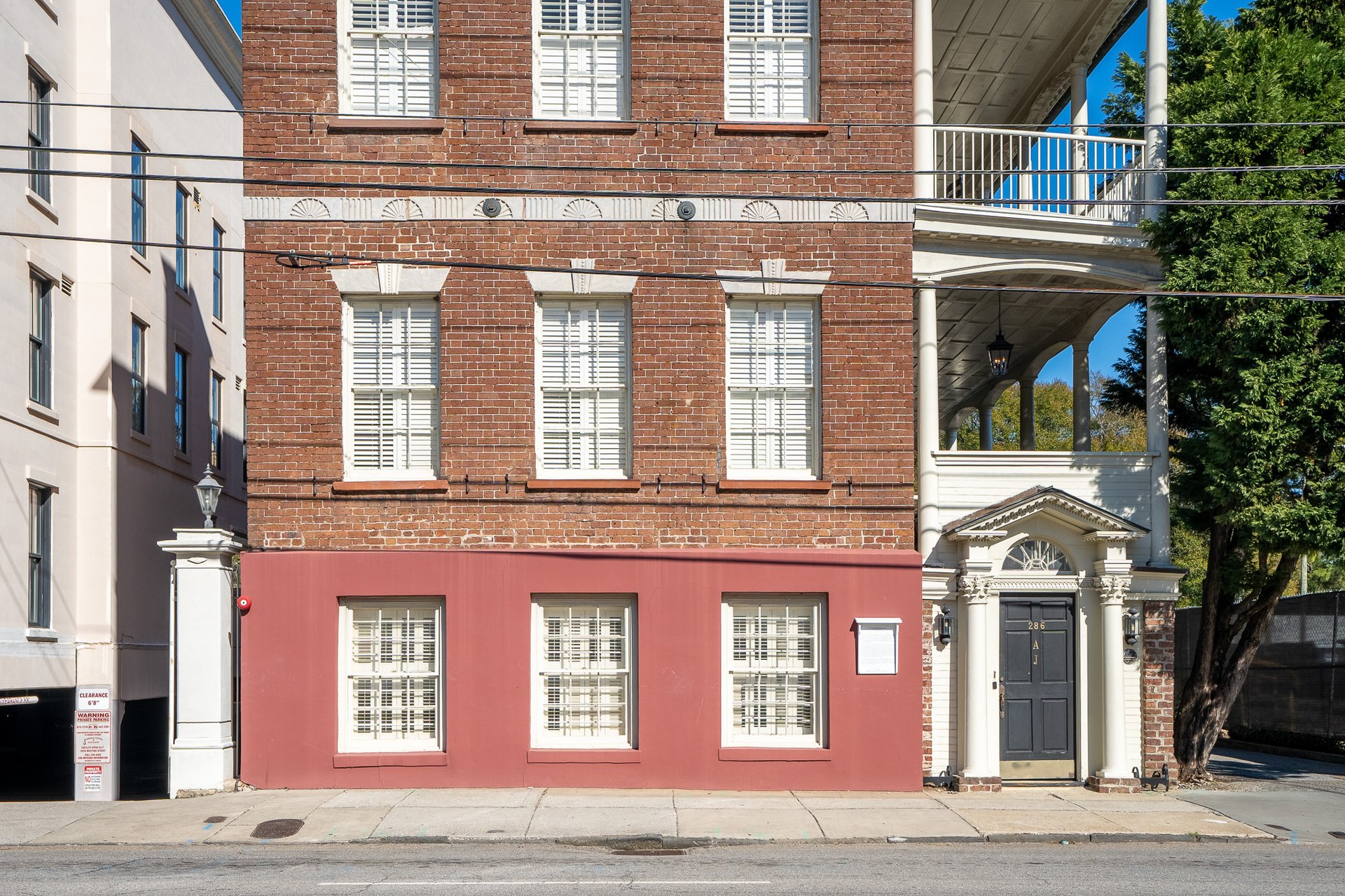
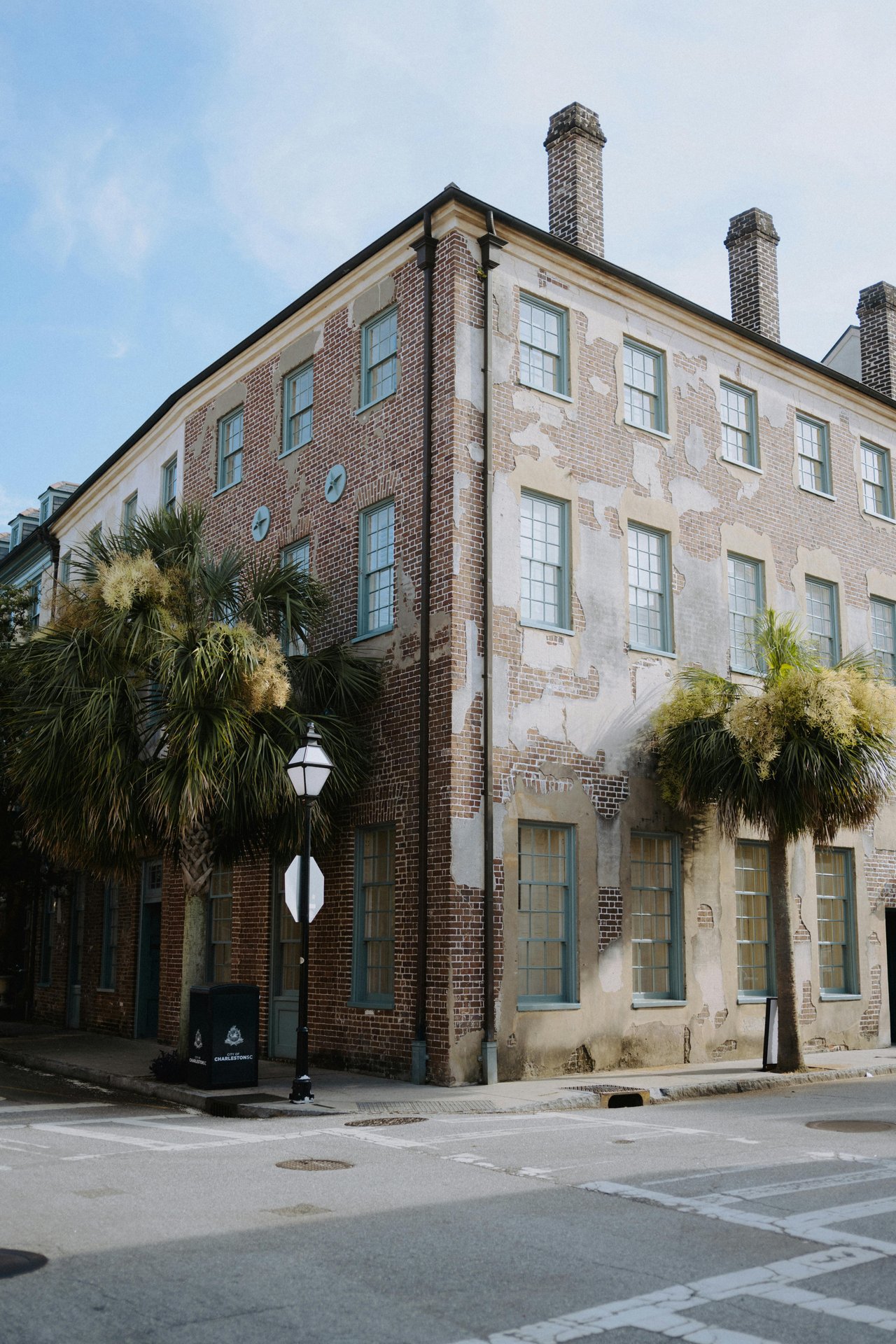
Beautiful Georgian Townhouse built in 1809 by James Huston, the son-in-law of Alexander Calder, who once owned this parcel and the Planters Inn where the Dock Street Theatre now resides. James Huston lived and worked as a merchant tailor in this property until his death in 1824.
The 3-story masonry townhouse includes the original “tailor shop” with a commercial door on Church Street and the original terra cotta tile fireplace, while the upper floors and back portion make up the beautiful original residence.
This property boasts one of the most beautiful drawing rooms in Charleston with ornate Neoclassical moldings and original gilded medallions on the first and second floors. Beautiful Adams architecture is seen throughout the home, as exemplified in the symmetrical doorways and fireplaces.
This handsome early nineteenth-century masonry building is thought to have been restored in 1810 after a fire swept through the area. 43 Society Street. Fully renovated, the sophisticated, beautiful stucco/masonry Robert M. Venning house is described in Charleston Magazine as a home with ”classic lines and a sense of formality from the street, but walk to the back, and you see its hip, modern side.”
Restored in the 1980’s, this federal-style building offers beautiful 19th-century architectural details that are prominently displayed in the crown molding, mantles, and wainscoting.
This classically-inspired house was designed by Randolph Martz and constructed in 2003.
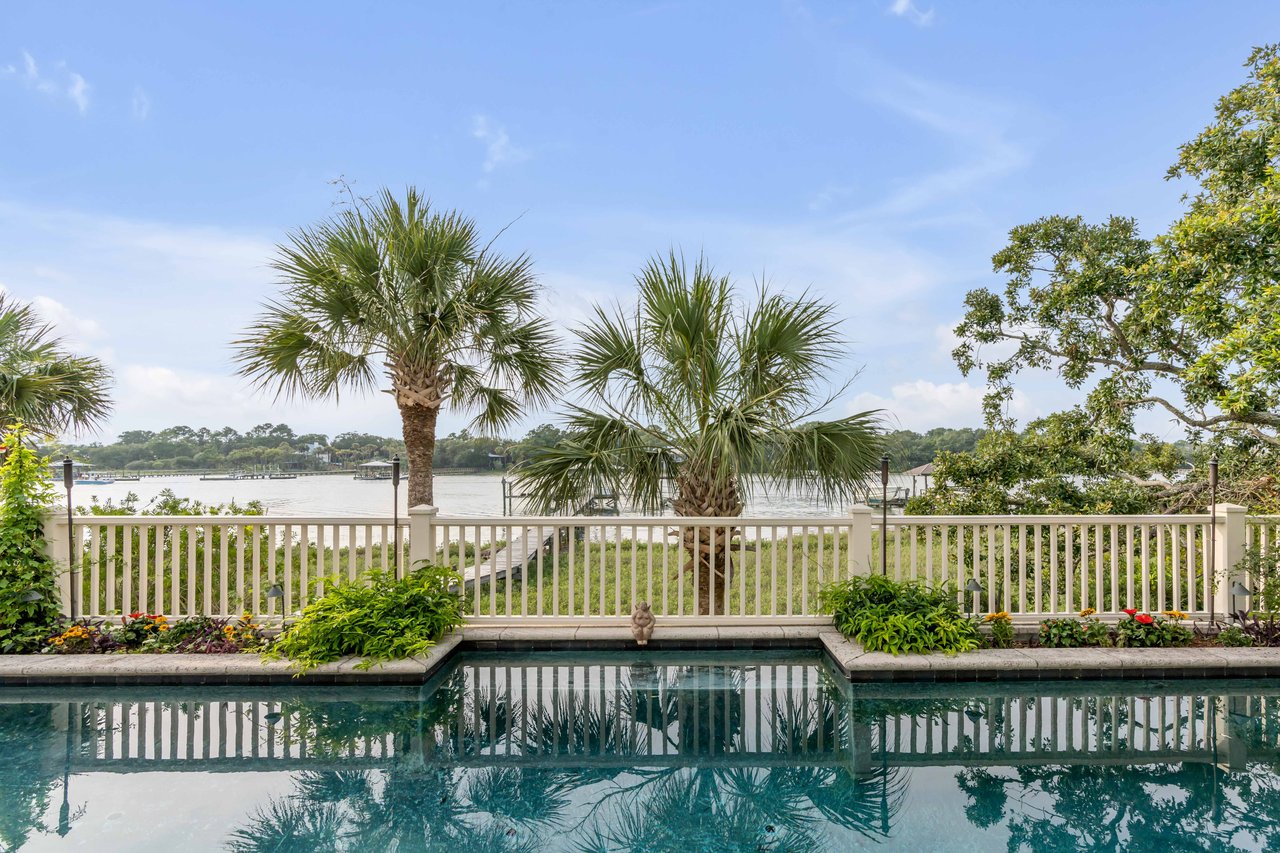
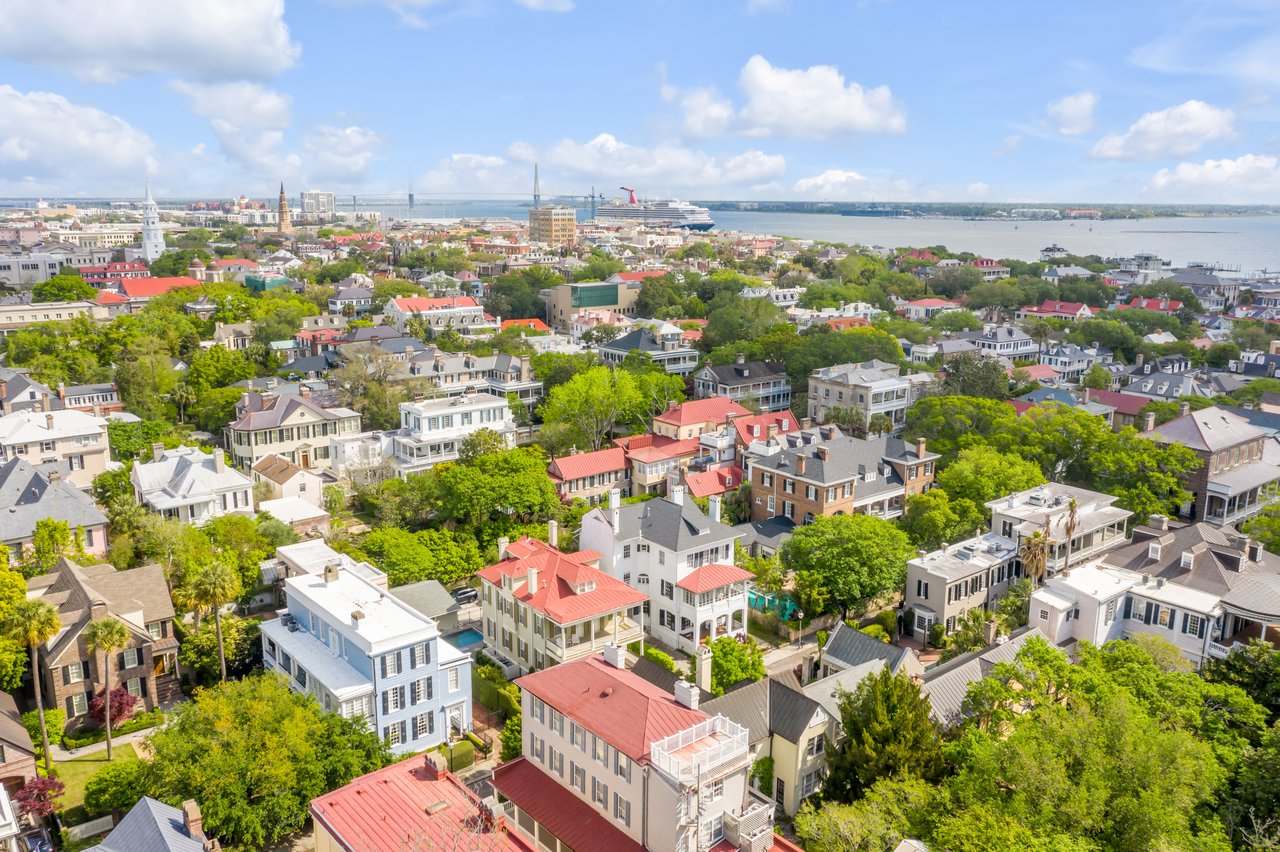
The lovely gated garden was designed by Robert Chestnut. Light flows into this house, and abundant views of Charleston rooftops and architecture from its many windows abound.
Handsome Homes
Transforms property buying and selling into a thoughtful, curated, and highly personalized experience, expertly tailored to Charleston’s luxury, historic, and exclusive real estate markets.