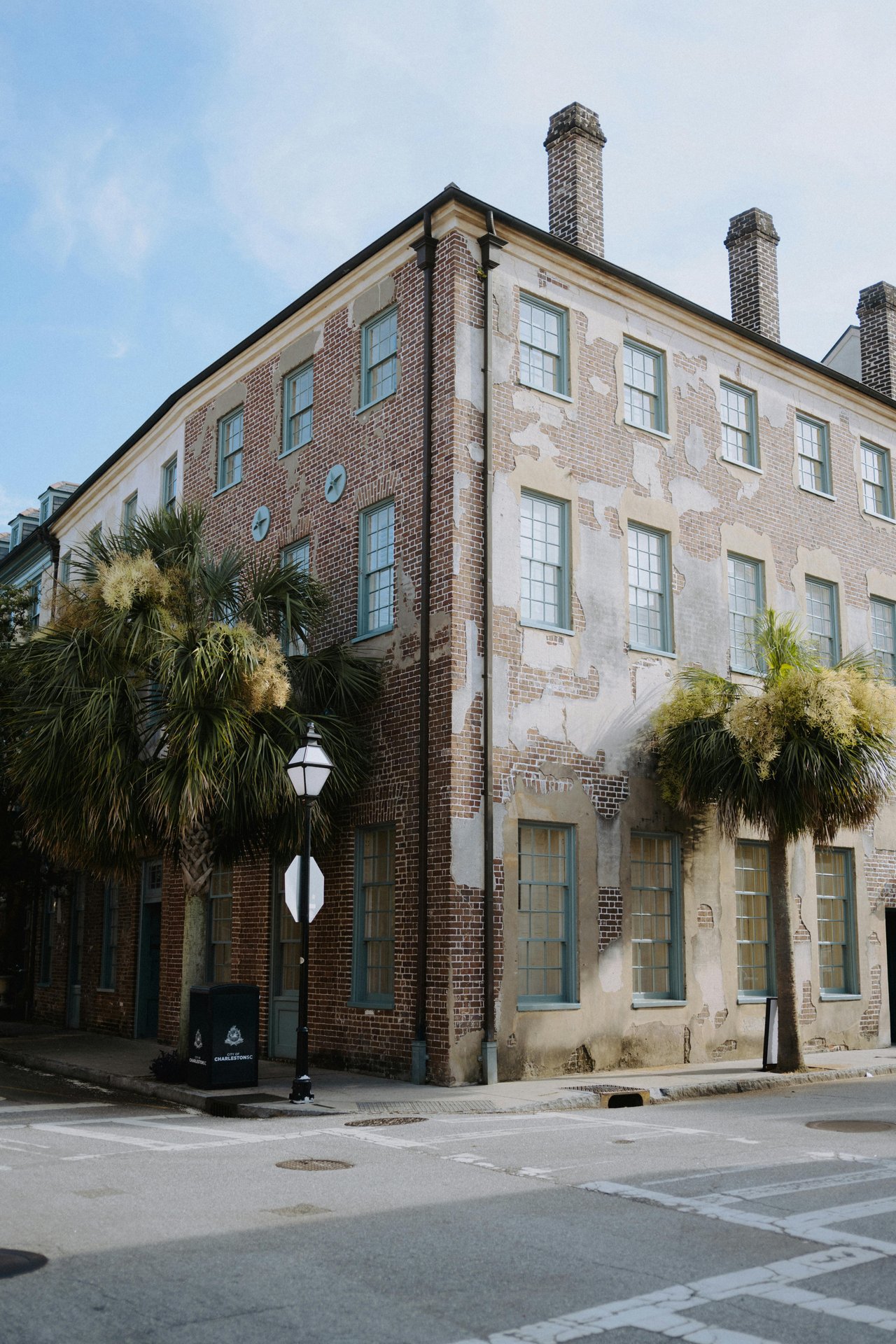
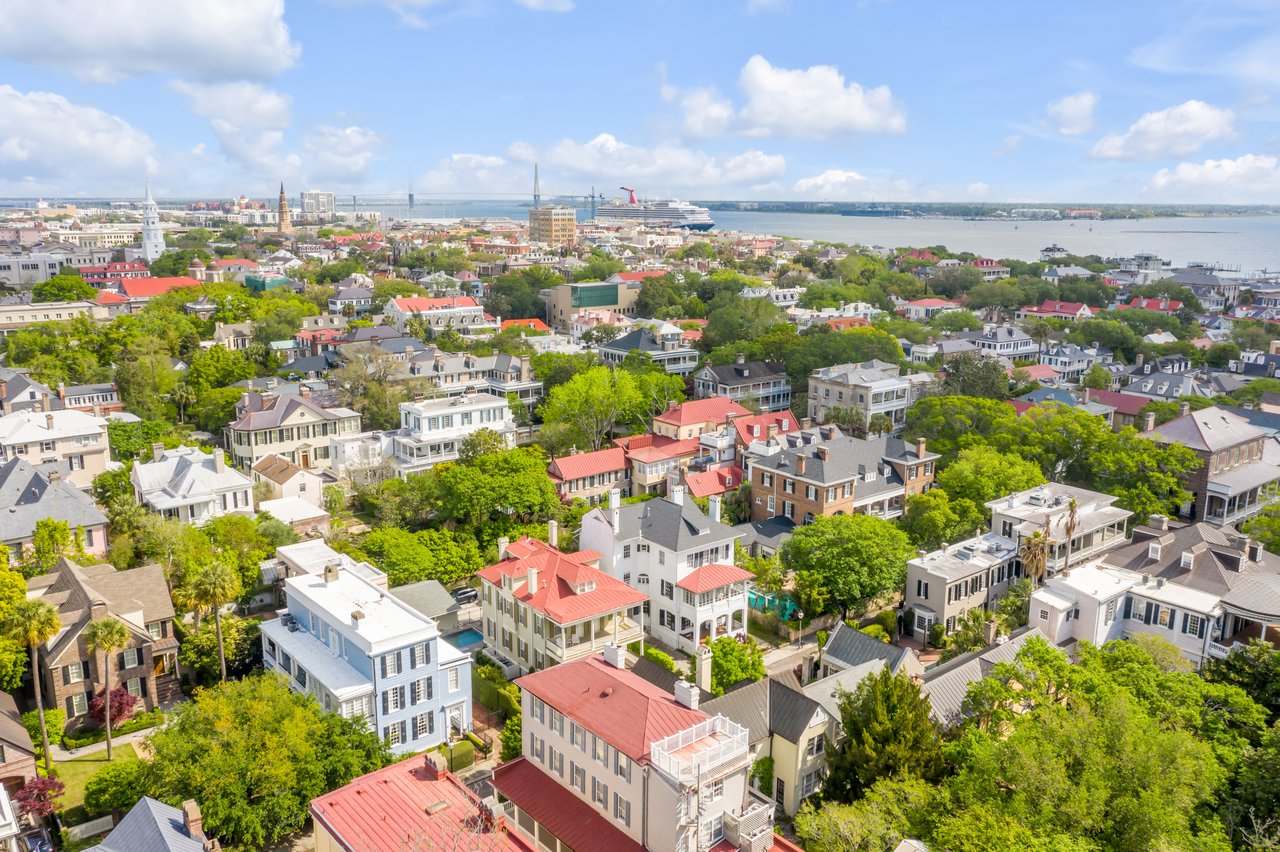
Charleston’s storied past and vibrant culture have long served as a muse for novelists and storytellers. With its cobblestone streets,
historic architecture, and rich Gullah traditions, the Holy City offers no shortage of inspiration. This post highlights several celebrated authors who have drawn inspiration from life in Charleston and shows how the city continues to shape Southern literature.
Pat Conroy
Though born in Atlanta,
Pat Conroy became one of the most prominent literary figures connected to the South Carolina Lowcountry. He brings emotional depth and evocative depictions of place to his novels, including
The Prince of Tides,
The Great Santini, and
Beach Music. Conroy spent much of his life in Beaufort, but
Charleston often figured prominently in his stories.
His work captures the contradictions of Southern identity, family dynamics, and personal redemption. He frequently drew upon the atmosphere and character of the region. Today, his legacy is preserved through the Pat Conroy Literary Center, and his impact on Southern storytelling remains unmatched.
Dorothea Benton Frank
A native of Sullivan’s Island, Dorothea Benton Frank made a name for herself by writing what she called “Lowcountry tales.” She fills her bestselling novels—including Sullivan’s Island, Plantation, and Pawleys Island—with strong female leads, complicated families, and a deep affection for coastal South Carolina.
Charleston served not only as a backdrop but as a vital presence in many of her stories. Her writing combined humor and heart, often rooted in the rhythms of Southern life. As
Charleston Magazine described, her work felt like “sun-drenched love letters to the Lowcountry,” filled with familiar places and themes that resonated with readers far beyond the region.
Mary Alice Monroe
Mary Alice Monroe has built her career by blending emotional narratives with environmental themes, particularly those tied to the South Carolina coast. Best known for The Beach House series, Monroe’s novels spotlight the fragile ecosystems of the Lowcountry. Often focusing on the lives of women who find healing and purpose through nature.
Her partnership with conservation organizations and wildlife groups lends authenticity to her stories, many of which are set on
Charleston’s barrier islands. Through her work, Monroe not only shares the beauty of the region but also raises awareness about the urgent need to protect it.
For readers and book lovers, Charleston is more than a setting; it’s a destination. The
Charleston County Public Library system offers peaceful reading spots and programs throughout the year. Meanwhile, the
Charleston Library Society, one of the oldest cultural institutions in the South, hosts literary events and author talks that celebrate storytelling in all its forms.