Historic vs Modern Homes in Downtown Charleston
Handsome Properties March 24, 2026
Handsome Properties March 24, 2026
Are you torn between the patina of a centuries-old Charleston Single and the ease of a modern condo downtown? You are not alone. Buying on the peninsula means choosing not just a home, but a way of living amid world-class history and coastal realities. In this guide, you will see how historic and modern residences in downtown Charleston differ in architecture, approvals, maintenance, insurance, financing, lifestyle, and resale so you can move forward with clarity. Let's dive in.
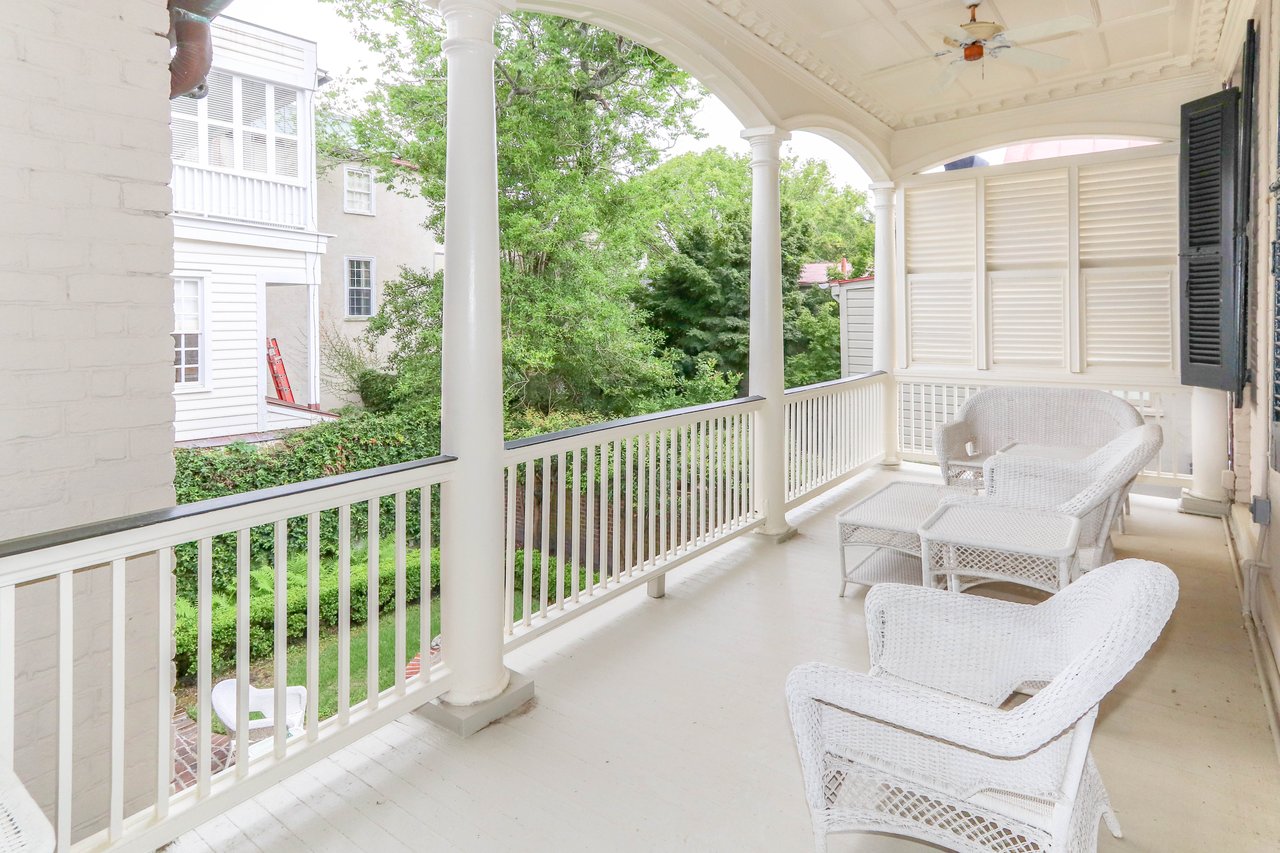
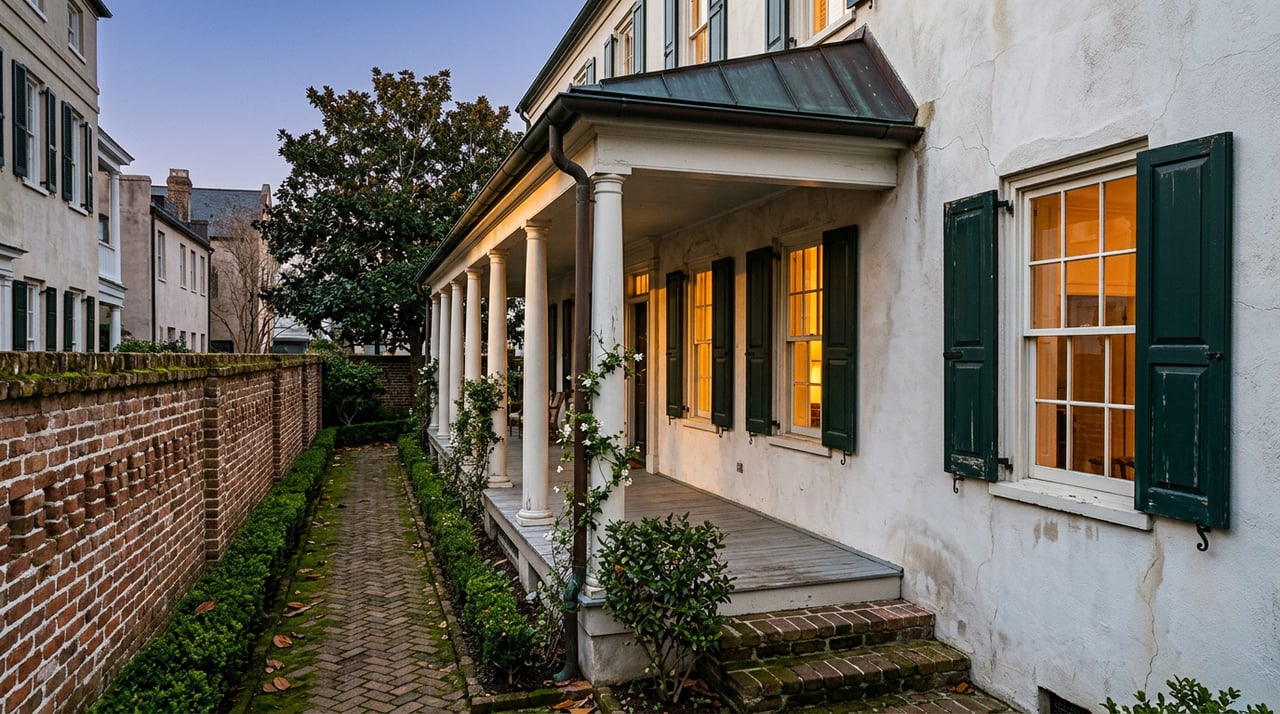
Charleston's signature historic type is the Charleston Single House, a narrow facade to the street with a long side and airy piazzas positioned to catch breezes. Interiors may have compact rooms, tall ceilings, and vertical circulation that feels different from contemporary layouts. Learn more about the single-house plan and how it shapes daily life from the South Carolina Encyclopedia overview of Charleston Single Houses.
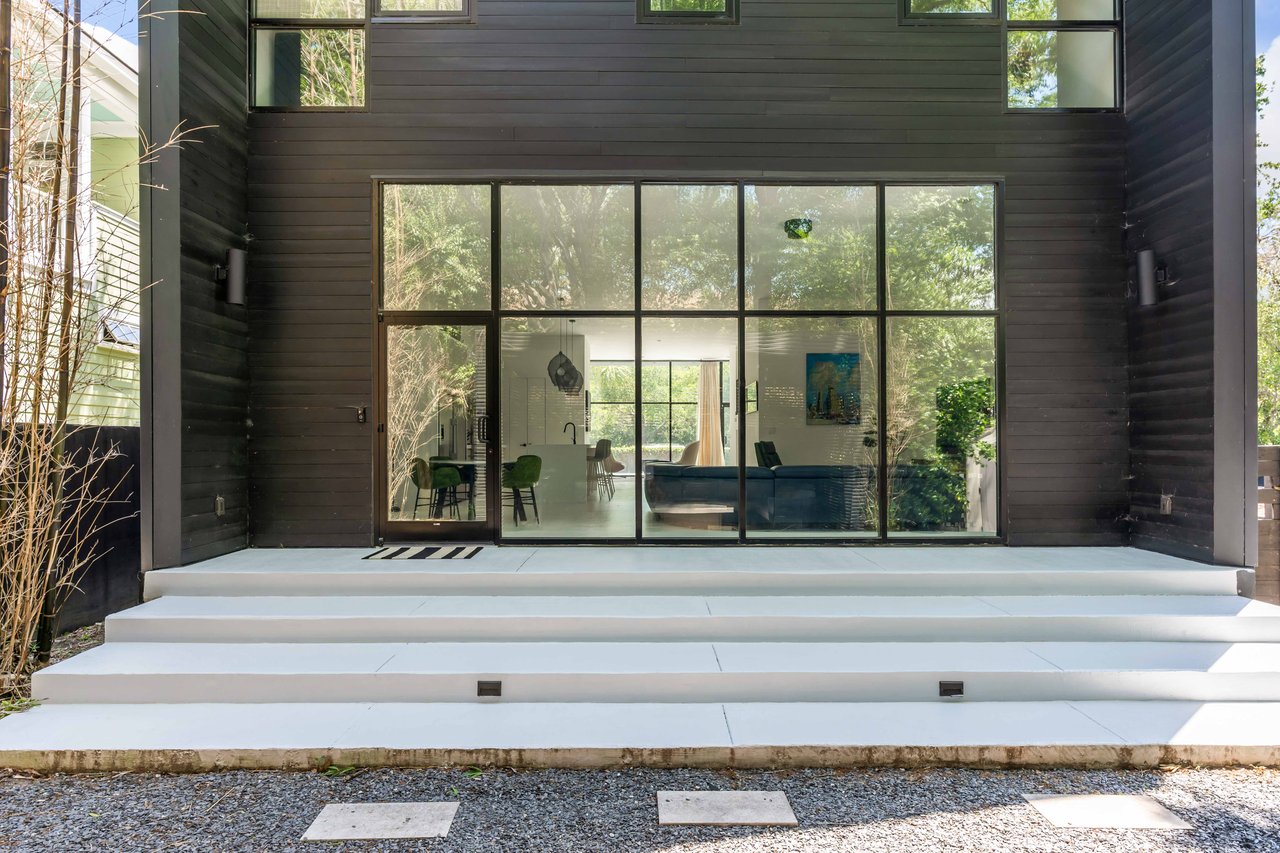
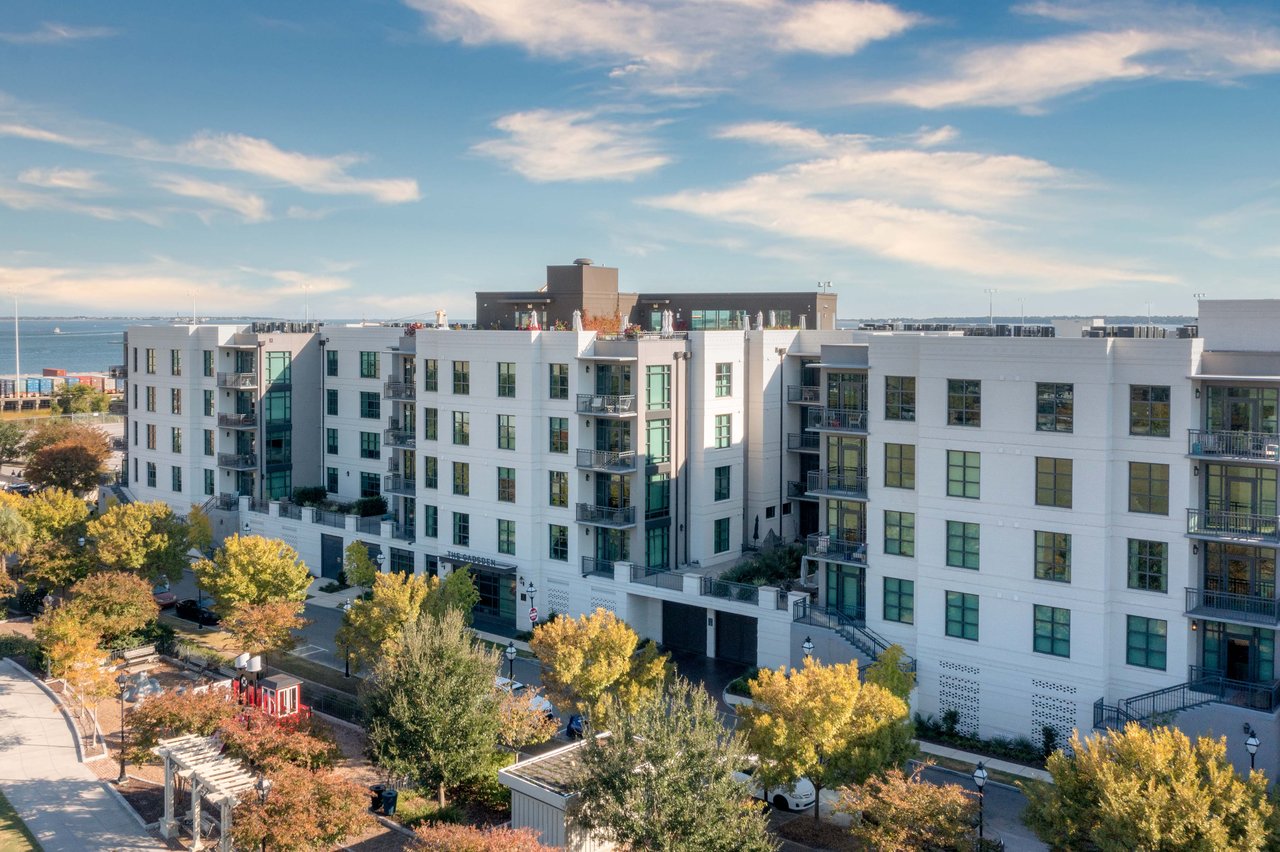
Newer downtown residences often show up as luxury condos in converted historic buildings or as carefully scaled infill townhomes and mid-rise condominiums. Even new construction and many exterior changes in historic areas fall under the City's design oversight when visible from public streets. The City's Board of Architectural Review explains the two BAR bodies, what they review, and how submittals work.
If you buy inside BAR jurisdiction, the City reviews exterior work visible from the public right of way. Window changes, piazza alterations, rooflines, visible HVAC, and many demolitions can require a formal application and a Certificate of Appropriateness. Staff may approve minor work, while larger projects go to public meetings. Always confirm jurisdiction and timelines through the City's BAR overview. Early conversations with BAR staff and an architect experienced with Charleston submittals can save time.
Charleston supports alternative energy but controls visual impact in historic areas. Policy guidance favors locations that are not visible from the street, such as rear roof slopes or accessory structures. Review the City's policy statement on alternative energy and visibility to plan for solar or EV chargers on a historic property.
Elevating a historic house can be feasible, but it must balance engineered flood needs with preservation of proportions and details. The Historic Charleston Foundation outlines design considerations and why early engagement with City staff is essential in its piece on elevating historic structures in Charleston. You should also check local flood maps and rules before assuming what is required for a specific house.
Many downtown addresses lie within FEMA-mapped flood zones. If you use a mortgage and the property sits in a Special Flood Hazard Area, lenders usually require flood insurance. The City hosts tools and guidance for mapping and local rules at its Floodplain Mapping page. Ask for an elevation certificate early so an insurance broker can quote your likely premium.
Charleston participates in the National Flood Insurance Program's Community Rating System. This can translate to premium discounts for eligible policyholders, though the exact discount and rules depend on location and program details. The City's Flood Information FAQs explain how CRS participation works and where to get parcel-specific guidance.
Expect cyclical investments in roofs, exterior paint or stucco, porch and piazza repairs, and careful masonry repointing. Historic woodwork and brick often need compatible materials and methods. Using the wrong mortar or abrasive cleaning can cause damage. The National Park Service's preservation briefs, summarized within this technical collection, outline best practices for windows, mortar, and more. See the referenced NPS guidance in this technical brief compilation for context.
Charleston's warm, humid climate supports subterranean and Formosan termites. Regular inspections and area-appropriate treatments are common ownership costs downtown, especially in older houses with wood framing. Clemson's Extension offers a practical overview in its guide to termites of South Carolina.
Homes built before 1978 are more likely to contain lead-based paint, which calls for lead-safe work practices during renovation. Older wiring and plumbing can also require upgrades to meet code and satisfy insurers. The EPA's guide on protecting your family from lead exposure lays out the basics you should know before you remodel.
Newer condos and infill townhomes usually have modern electrical, plumbing, insulation, and windows, plus code-compliant structural work. That can reduce near-term expenses, though you should still budget for regular building maintenance, HOA dues, and capital reserves in condo settings.
If you plan to rehabilitate a historic building, you may qualify for a 20 percent federal historic rehabilitation tax credit for certified income-producing properties, along with state incentives. South Carolina's State Historic Preservation Office explains eligibility, certification steps, and homeowner options. Do not start work before you review the rules and pre-approval needs on the SCDAH tax incentives page.
For major work, you can explore construction-to-permanent loans or renovation products like FHA 203(k) and certain conventional renovation loans. You should line up your financing timeline with tax credit milestones and plan for inspections tied to disbursements. An accountant familiar with credits and a preservation architect can keep the process on track.
People choose downtown for walkability, dining, arts, and a distinctive streetscape. Parking can be limited, and some blocks feel lively due to tourism. If parking and quiet are priorities, confirm the specific block's resident permit rules, typical traffic, and daytime or evening activity before you commit.
Short-term rentals are regulated by overlay zones and permit categories that set eligibility, owner-occupancy, and operational limits. If you plan to rent nightly, verify the parcel's precise status and current rules using the City's summary materials on short-term rental regulations and overlays.
A long-running body of preservation research links historic districts with stable or enhanced property values. More recent academic work notes that effects can be nuanced and depend on local demand, designation type, and property condition. In practice, well-stewarded historic homes and thoughtfully designed modern units in strong locations have both shown resilient buyer appeal downtown. The key is to align condition, approvals, and lifestyle fit with the buyer pool most active for your block.
Use this quick list to focus your due diligence:
If you love original millwork, piazzas, and the feel of a legacy property, a historic Charleston Single or period townhome may be your best match. Budget added time and resources for BAR approvals, specialized maintenance, and potential system upgrades. If you want a lock-and-leave lifestyle, modern systems, and simpler approvals for interior updates, a newer condo or carefully designed infill home downtown can be a great fit. Either way, you should plan for flood due diligence and insurance modeling from the start.
A local, detail-driven advocate can help you navigate design review, inspections, and insurance while positioning you for smart resale. If you are a second-home buyer, seamless support matters after closing as well, from tenant placement to regular checks while you are away.
Ready to compare specific properties and build a plan that fits how you live? Connect with Handsome Properties for curated options, process guidance, and white-glove support on the Charleston peninsula.
The City's BAR reviews exterior changes visible from public streets, many demolitions, and new construction within its jurisdiction, and it issues approvals through a Certificate of Appropriateness.
Many downtown homes lie in FEMA flood zones; lenders often require NFIP coverage in Special Flood Hazard Areas, and premiums depend on elevation, flood zone, and any applicable local CRS discount.
Yes, but City policy prefers locations that are not visible from the public way, such as rear roof slopes or accessory structures, and you should plan placements to meet visibility criteria.
South Carolina offers state-level options and the federal 20 percent credit applies to income-producing certified historic buildings; contact SCDAH early to review homeowner and rental-use paths.
Focus on termites and moisture, electrical and plumbing age, roof and porch structure, and the presence of lead paint in pre-1978 homes, then align findings with your renovation budget and timeline.


Transforms property buying and selling into a thoughtful, curated, and highly personalized experience, expertly tailored to Charleston’s luxury, historic, and exclusive real estate markets.